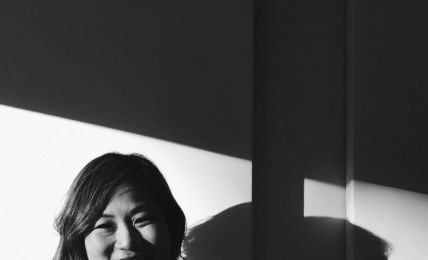
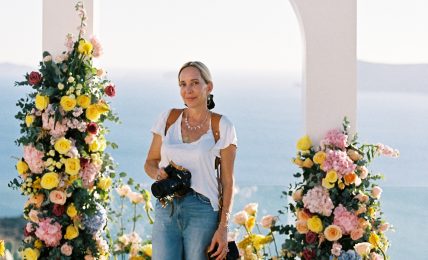
Meet Charles-Étienne Ferland | Author (and copywriter, editor, translator, composer, biologist, actor), but author is fine ;)
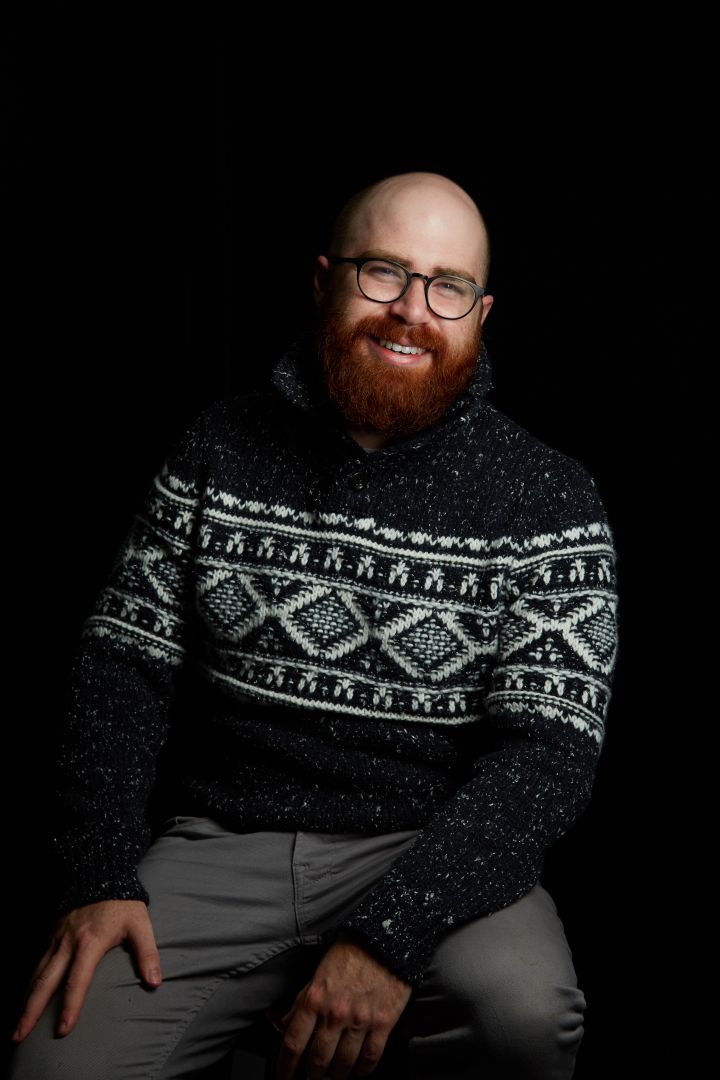


We had the good fortune of connecting with Charles-Étienne Ferland and we’ve shared our conversation below.
Hi Charles-Étienne, Let’s talk about principles and values – what matters to you most?
The reader’s experience. Everything comes downs to this principle. Every bit of information you choose to include in a text, every word, every sentence. It’s the way my mind works when it it thinks about telling stories: what is the best way to deliver the material, to convey the message, to optimize the experience people will have of the book? Let’s face it, we’re competing with the Netflixes of the world, with porn, with video games, social media and tons for sources of entertainment: earning an audience’s attention is a very competitive and challenging endeavour. Within the first few paragraphs, you must enter into a tacit contract with the reader: follow me, and I’m taking you on an adventure, and it will be worth your time. If you fail, you’re doomed. There’s no shortage of alternatives to that book nowadays.
The way the information is organized and mapped even, I believe there’s such a thing as the logistics and geography of the content. The order in which you choose to present it to your readers matters a great deal. I look up to authors like Neil Druckmann (The Last of Us, published as a video game with Naughty Dog studios and now being adapted as a series with HBO). There’s a remarkable attention to detail in his writing: every bit of info serves a purpose to propel the story forward. Nothing is left to chance. In fact, I find the whole process of video game design fascinating; there’s an entire team of artistic designers, writers, and producers, coming together to tell a cohesive and compelling story. The video game industry certainly has an interesting collaborative creative model to develop a most entertaining experience; I’m now experimenting with bringing on a diverse and inclusive team of co-authors of various backgrounds on many manuscripts in progress with the same goal in mind: to foster the reader’s experience. Time will tell how that process works out for a novel.
But let’s come back to the concept of the reader’s experience. What really matters to me are the questions: is the experience memorable, one of a kind? How does it appeal to the emotions of the audience? Is it relatively universally accessible? Is it entertaining, exciting, or fun? Is it playful? Is it surprising? Is it meaningful? Is it relevant? It can’t be “just a survival story”, it has to be more: it has to become THE reference for survival stories and innovate in ways that stories before haven’t yet done so. And in the next book, you’ll need to find a way to innovate again and explore new themes, new characters, new storylines.
Let’s talk shop? Tell us more about your career, what can you share with our community?
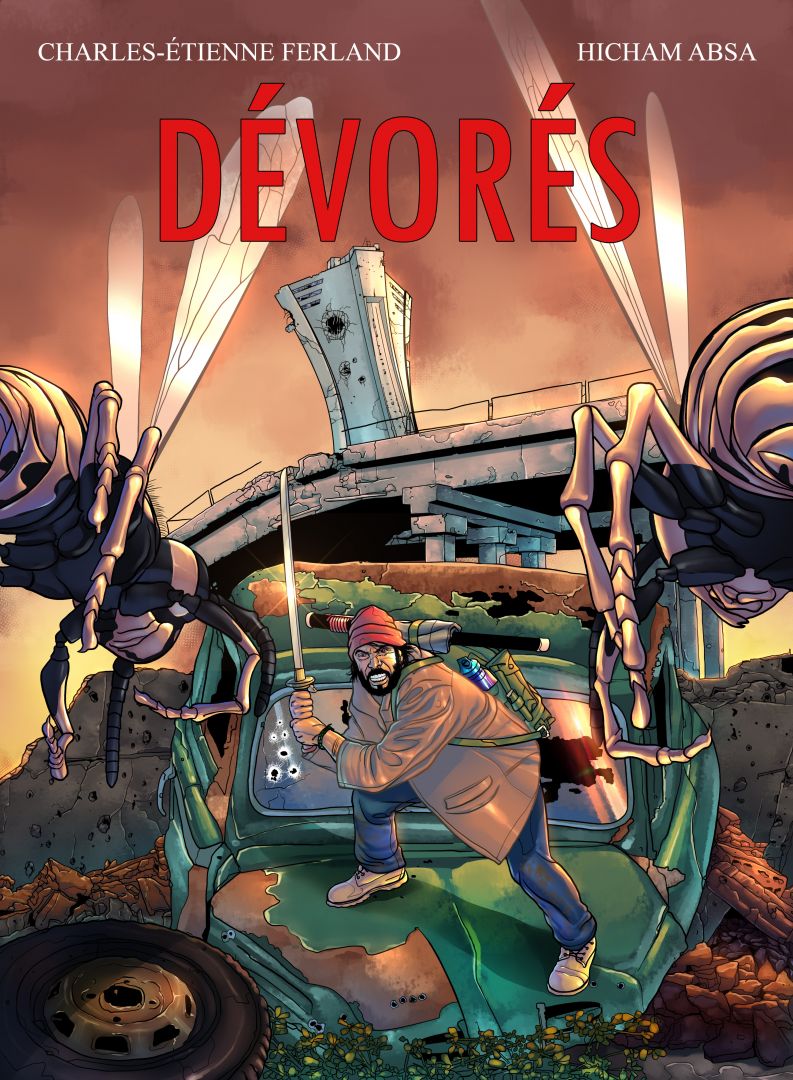
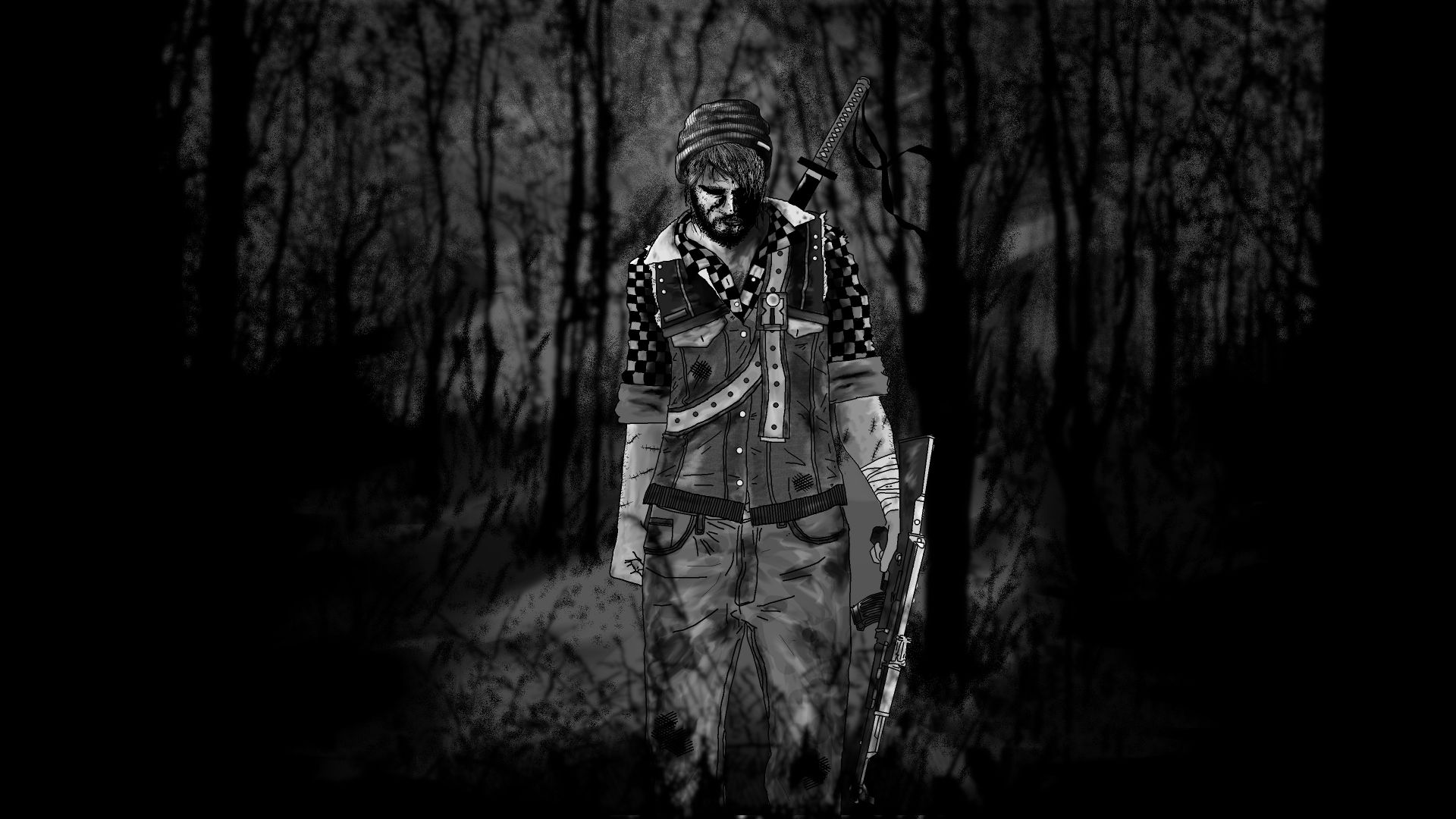
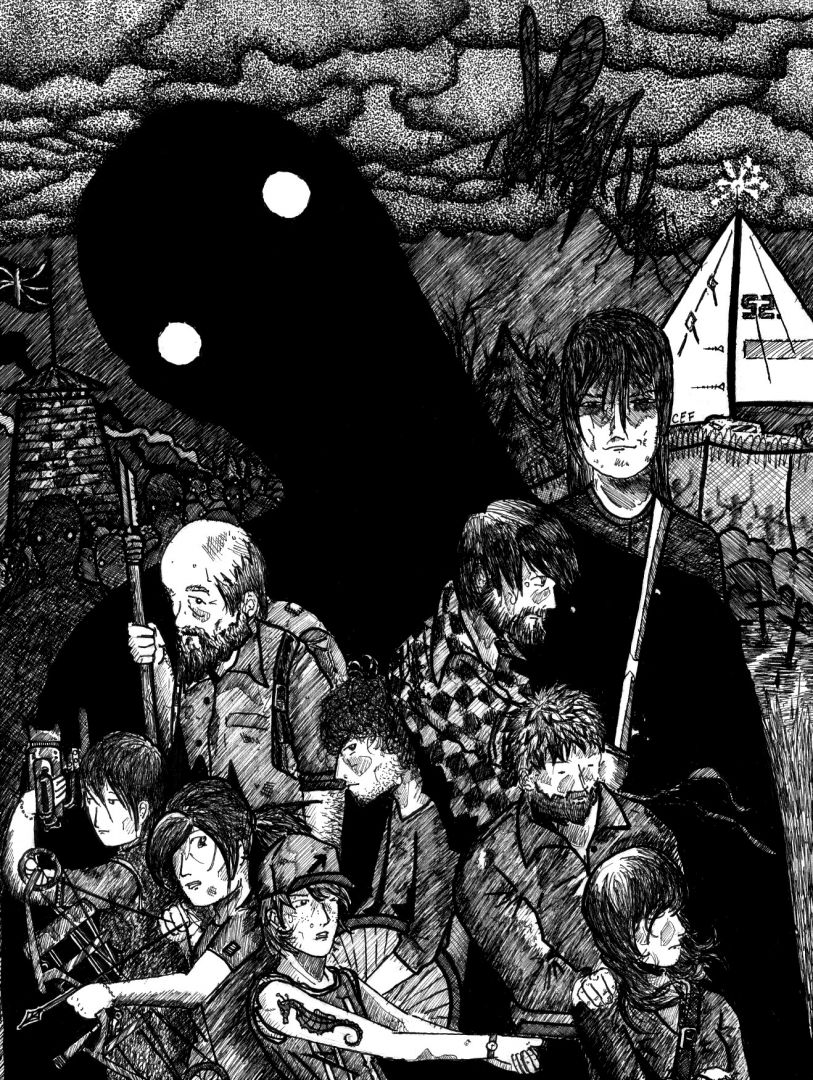
I write mostly adventure novels at the crossroads of horror, suspense, action, sci-fi and survival stories. “The Last of Us” is a piece of work that I really look up to. I like to think that my collaborative writing model certainly brings a unique twist to my projects. In fact, many persons are involved with reading a manuscript before it even reaches my publisher’s mailbox. These people have read more than me, they have acquired an expertise that I might never have, they know clichés that I might not have thought about, they have years on me in terms of text editing and reviewing. I sometimes think as my role like a project manager from time to time. It’s beyond a peer review process because these people sometimes bring in completely new ideas that help bring the story to higher standards in terms of storytelling and entertainment. They certainly push me to give the best of myself, and challenge me to keep improving, studying and experimenting.
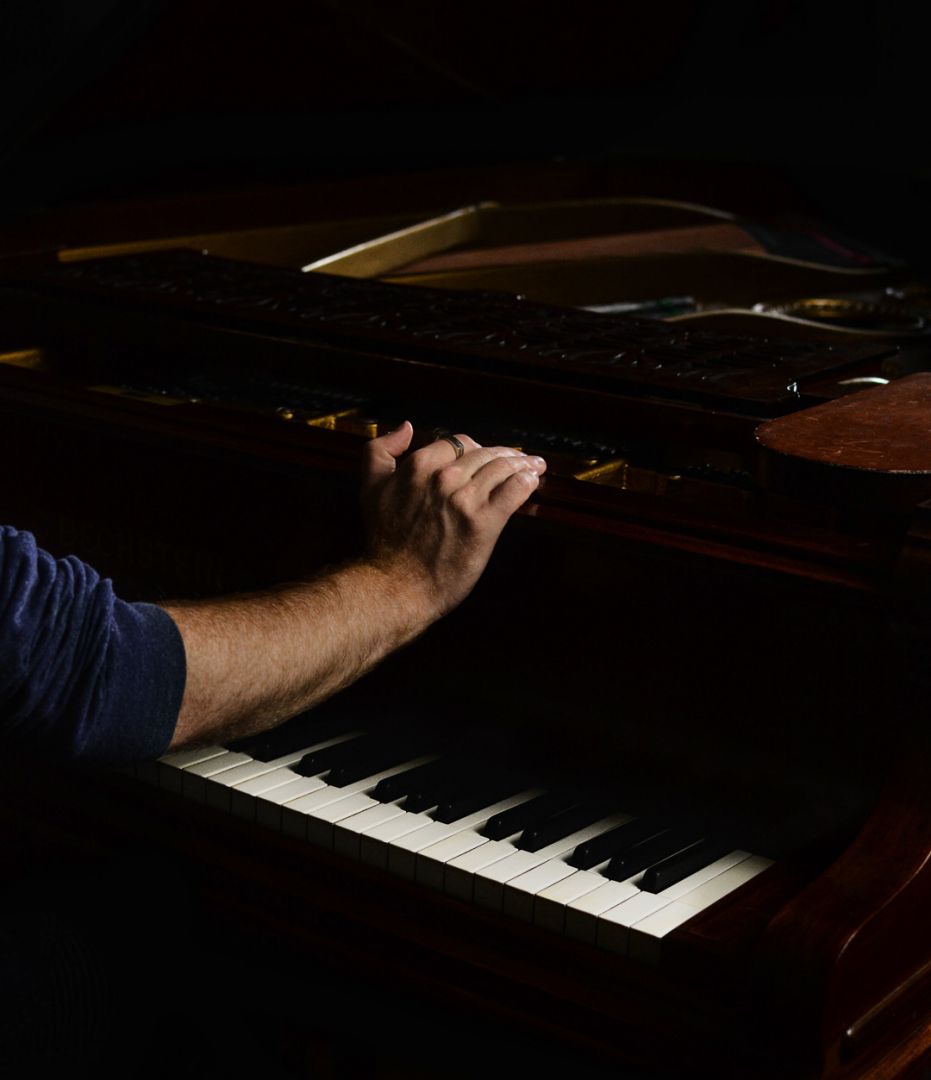
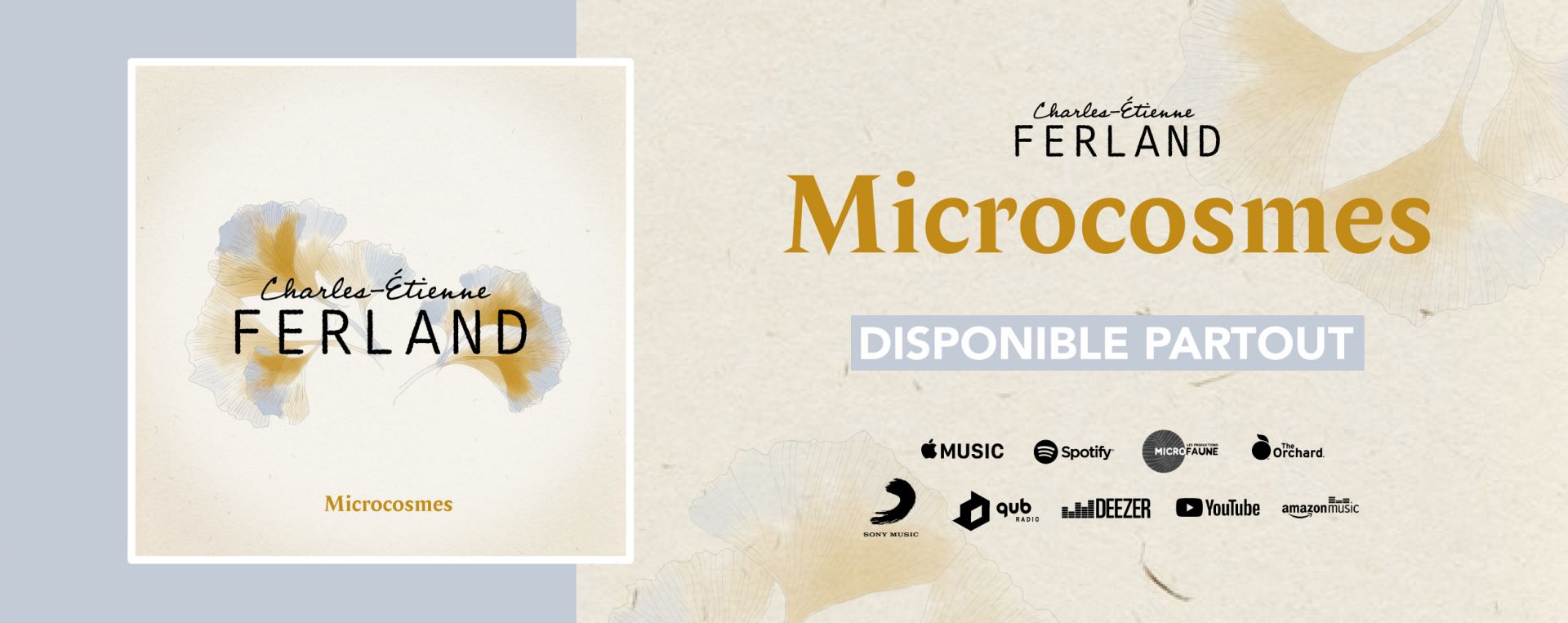
How did I get where I am today, professionally? Well, I did a bachelor of arts with a major in environmental studies and a minor in biology at the University of Ottawa, followed by a master’s degree in environmental sciences with a thesis on insect ecology, and now doing a certificate in creative writing at Université du Québec à Montréal (UQAM). Throughout my academic journey, I took some creative writing workshops, travelled to Costa Rica, Ecuador, France, Portugal, and Sweden, shot an independent documentary on field entomology, published 3 books and a piano album, took acting and improv classes, and got involved in building a mobile app about insect diversity with the Natural History Museum of Denmark and writing and reviewing articles for a Montreal-based non-profit sex education organization called Club Sexu, and met some genuinely amazing persons along the way. Was it easy? Nope! Most of the time, I had no idea what I was doing or what I would do next. But in perspective, it kind of worked out not too bad I think.
I’ve learned that storytelling is the art of a lifetime. There’s always room for improvement. And there’s a lot to learn from writing with others, with sharing your work, and analyzing every little detail with scrutiny even if it’s tedious at times and tough on your self-esteem. It pays off.
What do I want the world to know about me, my brand and story? That’s a tough question. I don’t really know. I see my creative writing projects as just another job, so I’m really just trying to get work done and deliver the best story possible to the readers to give them an unforgettable experience. It’s not really about me, it’s about them: they’re the ones reading the books 😉 Though I will say this, I would like the world to write more, to do more art, to cultivate the desire to create beauty of their own.
Any places to eat or things to do that you can share with our readers? If they have a friend visiting town, what are some spots they could take them to?
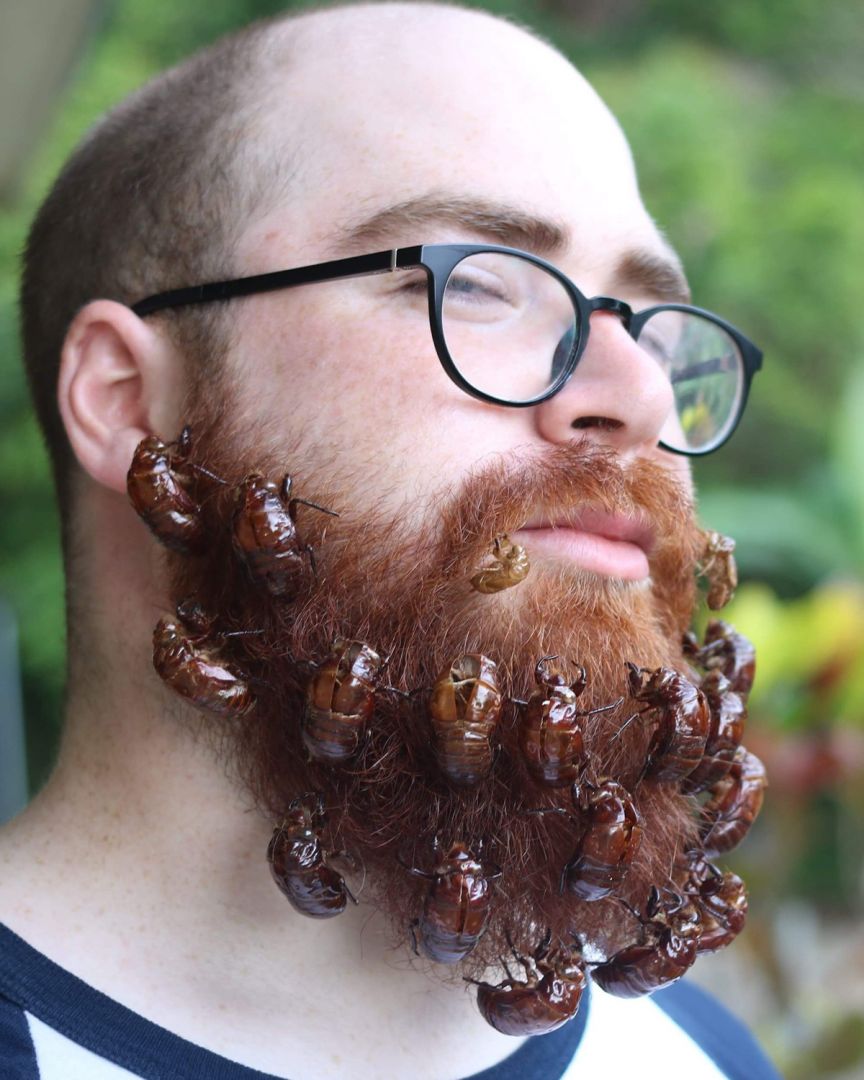
I’d take them to the Montreal Insect Museum for sure! The Botanical Gardens, the Biodome, The Old Port, Mount Royal, the St-Joseph Oratory, Parc Lafontaine, Parc Maisonneuve… Montreal has an amazing diversity of restaurants and pubs, there’s no shortage of places to go out. I’d probably take them for a ride in my 2003 Ford Econoline I’m converting in a camper (#vanlife) to get out of the city and head into nature for long walks during which we’d try to identify as many species of birds, mammals, insects as possible. And in the evening, a nice bottle of cabernet sauvignon around a campfire.
Who else deserves some credit and recognition?
There are so many people that have helped me along my artistic journey and that, to this day, continue to play an indisputably important role in my life. Writing is a solitary activity, so they say, but there’s no reason to work alone. Over the years, I’ve surrounded myself with an amazing team of critical readers, and reviewers, some of them becoming co-authors to some of my stories. Some names would include authors Mélanie Boilard and Jean-Louis Trudel. It would be impossible not to mention them. They are two of my most involved and dedicated collaborators which I admire greatly for the way their minds work around storytelling, for their unbelievable support throughout the years and for believing in my projects. There is a long list of countless names of people that have made me the author and independent worker I am today and were I to risk naming them all, there’s no way I could keep this interview within reasonable length. Nonetheless, I’m nothing short of grateful for all the help, love and support from my family, friends, teachers, colleagues and publishers.
Website: https://charlesetienneferland.com/
Instagram: https://www.instagram.com/ce.ferland/
Linkedin: https://www.linkedin.com/in/charles-%C3%A9tienne-ferland/
Facebook: https://www.facebook.com/ferland.ce
Youtube: https://www.youtube.com/channel/UCO8a2AM-OzaJqIeyqZEv2Tg
Image Credits
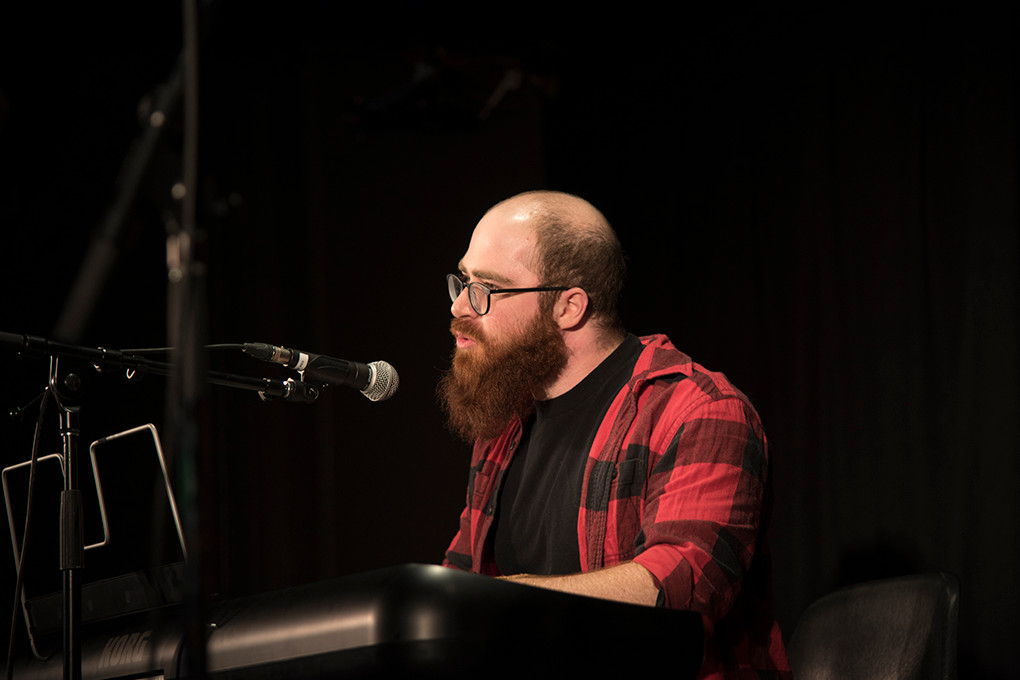
Trina Koster Photography (for the portrait on black background)