Meet Engjell Hasula | Professor & Writer Covering Vertical Drama
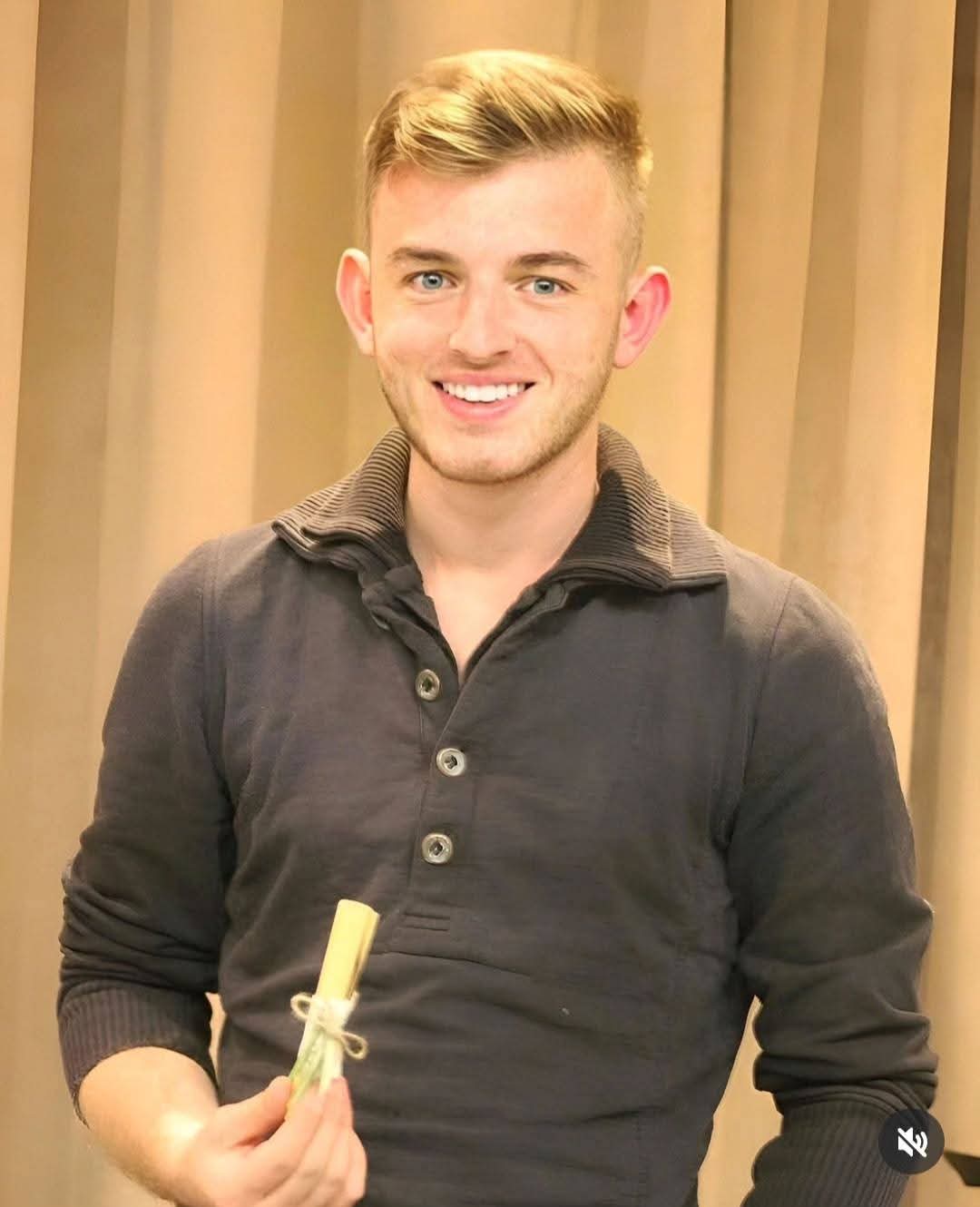


We had the good fortune of connecting with Engjell Hasula and we’ve shared our conversation below.
Hi Engjell, is there something you can share with us that those outside of the industry might not be aware of?
One thing outsiders are probably unaware of is how much emotional labor, vulnerability, and constant balancing go into both teaching and writing—especially when those worlds seem so different on the surface.
As a professor, people see the classroom hours, but not the quiet, unpaid work behind the scenes: the lesson planning at night, the grading on weekends, the emotional weight of worrying about students long after the bell rings. It’s not just a job; it’s an ongoing commitment to help young people discover their potential. You carry their stories with you.
But at the same time, I started writing articles as a journalist and writer, driven by a love for storytelling and a need to explore new creative spaces. It wasn’t easy. In fact, it was surprisingly difficult just to get in touch with actors and actresses—especially in the emerging world of vertical dramas. These short-form, intimate productions are redefining storytelling, but they’re also a new frontier without many established channels. I had to learn how to approach talent respectfully, build trust, and convince them to share their insights with me. There was no blueprint for it.
People often assume writing on Medium is simple—you just write whatever you want and hit publish. But I wanted to be more than just another voice online. I wanted to become a voice for an entire new format, to shed light on the creative efforts behind vertical dramas, to give recognition to actors, directors, and writers working in a medium that many still don’t take seriously. That means research, outreach, editing, and the bravery to put my work—and my name—out there for public judgment.
Balancing teaching with writing is one of the hardest parts. Teaching demands presence and structure; writing requires solitude and freedom. Often the only time to write is early mornings or late at night after school. It’s exhausting, but it’s also necessary. Because these two roles, while different, feed each other. Teaching gives me empathy, patience, and a thousand human stories. Writing gives me reflection, clarity, and the power to amplify the voices of others.
So if there’s one thing I wish more people understood about these ‘industries,’ it’s that they’re both demanding in unseen ways. They both require you to invest your heart, to risk failure and rejection, to stay committed even when no one’s watching. And for me, they’re not just careers—they’re intertwined callings that make me who I am.
Can you open up a bit about your work and career? We’re big fans and we’d love for our community to learn more about your work.
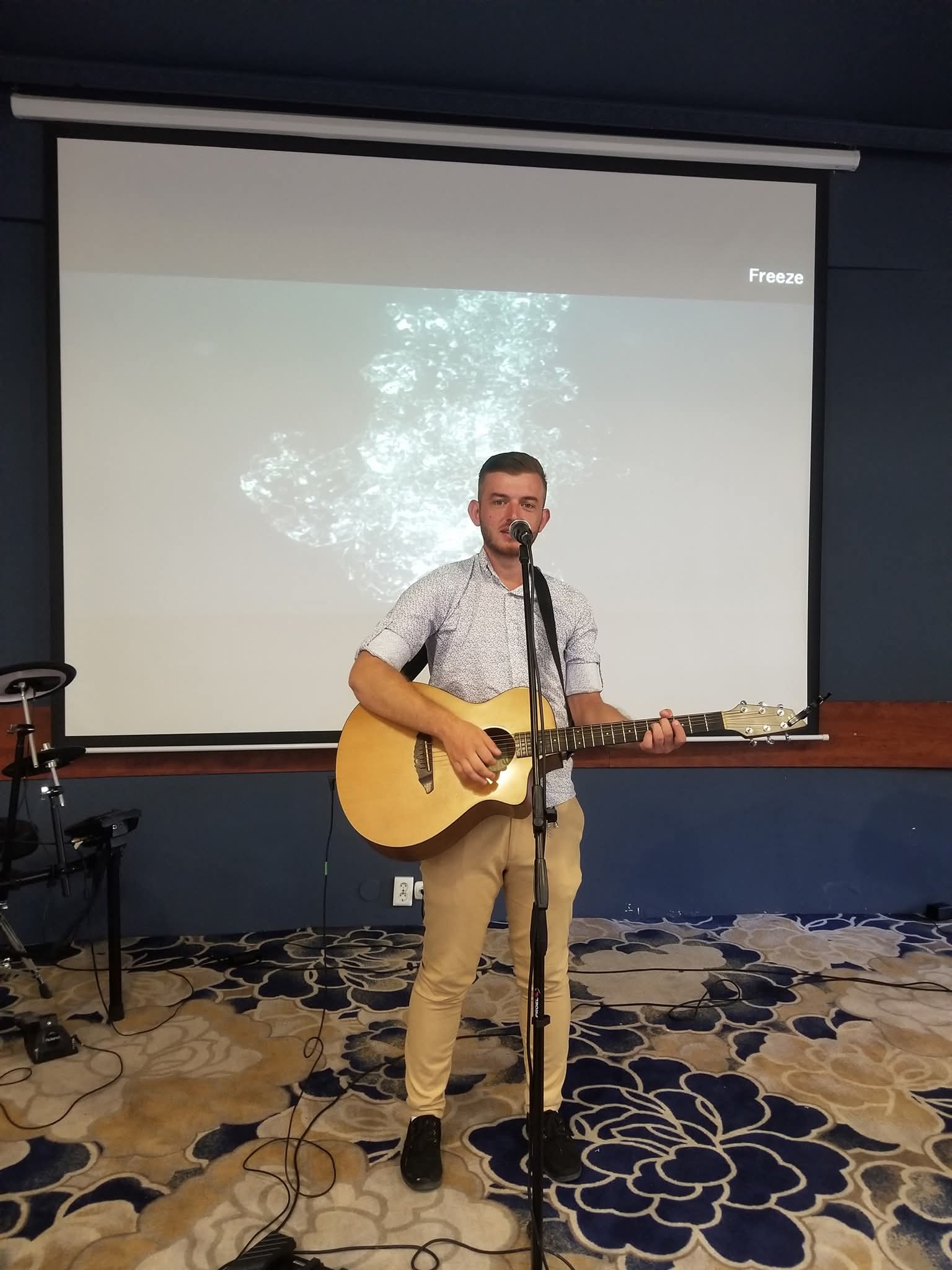
My creative journey has been anything but linear—and that’s what I’m most proud of. It started with a passion for music. I used to sing and write songs, drawn to the magic of words and melodies and the power they have to move people. Performing and songwriting taught me the art of storytelling in its rawest form: making someone feel something in just a few lines. That early love for lyrical expression planted the seed for everything that came next.
As I grew older, I found myself drawn to writing in broader forms. I began publishing articles, seeking to capture real stories and give voice to people whose work deserved recognition. I became especially fascinated by the world of vertical dramas—a newer storytelling format that many overlook but that I believe is rich with creative potential. Conducting interviews with actors and creators in this space was both challenging and rewarding. It’s not easy to reach out to busy artists, earn their trust, and draw out their stories. But I loved it. I loved hearing what drove them, how they approached their craft, and sharing that with readers in a way that honored their work.
Prior to this creative work, I discovered my calling for teaching—almost by accident. It wasn’t something I planned; it was a hidden talent I didn’t know I had until I stepped into the classroom. Very quickly, I realized that I loved it. I loved helping students see the power of words, of language, of ideas. I wanted to teach them that words matter more than anything: they can inspire, heal, challenge, and change the world. Teaching gave me the chance to shape the next generation’s relationship with words—not just as readers, but as thinkers and creators.
Balancing these paths hasn’t always been easy. Teaching requires structure, patience, and presence. Writing and interviewing demand vulnerability, initiative, and the willingness to take risks. But both feed the same core purpose for me: to connect people through words. To tell stories that matter. To listen deeply and help others feel seen and heard.
If there’s one lesson I’ve learned along the way, it’s that your creative path doesn’t have to fit a single definition. I’m a professor, a former singer and songwriter, a journalist, an interviewer, a mentor. All of these roles help me honor the power of language. And that’s what I want people to know about my work and my story: that it’s dedicated to the belief that words can change lives, and that everyone’s voice deserves to be heard.
Any places to eat or things to do that you can share with our readers? If they have a friend visiting town, what are some spots they could take them to?
I’ve always been a rather solitary person at heart, driven by the quiet wonder of nature—the peaceful rustle of leaves, the distant calls of songbirds, the way the landscape seems to listen as much as it speaks. If my best friend were visiting for a week, I wouldn’t rush them through crowded city sights. Instead, I’d give them the gift of stillness, majesty, and balance that I treasure so much here in Albania.
We’d begin in the north, in the breathtaking Albanian Alps. I’d take them to Theth, a remote mountain village where time seems to slow. The road itself is an adventure—winding through dramatic passes, green valleys, and sheer cliffs that open onto vistas you can’t quite believe until you see them. We’d hike to the iconic Theth, a cold, crystalline spring of impossible turquoise hidden in the forest. I’d want them to hear what I love most there: the hush between footfalls on a pine-needle path, the symphony of songbirds at dawn, the crackle of a campfire under sharp alpine stars.
We’d also visit Valbona Valley National Park—another northern jewel. It’s all jagged peaks and wildflower meadows, and the locals will greet us with warm hospitality, hearty mountain food, and stories older than the borders on any map. I’d plan a picnic there, spreading a blanket by the river, letting the cold water numb our toes while we talk for hours.
Midway through the week, we’d journey south for a change of scenery—and soul. Albania’s southern coast is renowned for its Riviera, a sweep of dramatic cliffs, olive groves, and some of the most beautiful beaches in the Mediterranean. I’d take them to Dhermi, where white pebble beaches meet crystal-clear turquoise water, perfect for an afternoon swim followed by grilled seafood at a seaside taverna.
We’d watch the sunset in Himara, where the sky turns molten gold over the Ionian Sea, then wander the old castle ruins at dusk. Maybe we’d head to Ksamil, famous for its white-sand islets and water so clear you can count the shells on the bottom. Here, the pace is slower, the food simple and fresh, and the people happy to share a table and a story.
Throughout the trip, I’d make sure we balanced mountains and sea—because that’s what I love most. The north gives you perspective, humbling in its scale and silence. The south gives you warmth, a place to dream with your eyes open. I think the best way to show someone Albania is to let them feel that contrast.
In the end, my itinerary wouldn’t just be about sights. It would be about sharing those quiet moments that stay with you long after you leave—the hush before dawn in the mountains, the gentle rhythm of waves at night, the knowledge that there’s beauty in every direction if you’re willing to slow down and see it.
The Shoutout series is all about recognizing that our success and where we are in life is at least somewhat thanks to the efforts, support, mentorship, love and encouragement of others. So is there someone that you want to dedicate your shoutout to?
I want to dedicate my shoutout to all the professors who lit the way for me long before I ever stood in front of a classroom myself. Their patience, creativity, and quiet belief in their students shaped the person I am today. I also want to recognize the writers and editors who shared their wisdom so generously when I was just starting out—especially those who taught me that every voice has value if you have the courage to share it.
A special thanks to the actors, directors, and creators in the world of vertical dramas who trusted me with their stories even when this format was new and overlooked. Their willingness to open up and innovate continues to inspire me daily.
Above all, I want to thank my family and close friends for their unwavering encouragement, for reading my drafts, listening to my teaching stories, and reminding me why both callings matter. Without their support and love, none of this would feel possible or worthwhile.
Website: https://medium.com/@engjellhasula7
Instagram: https://www.instagram.com/anhel_hasula?igsh=MXdleHpubnN6M3Jsag==
Facebook: https://www.facebook.com/share/1AfmaBAmjP/
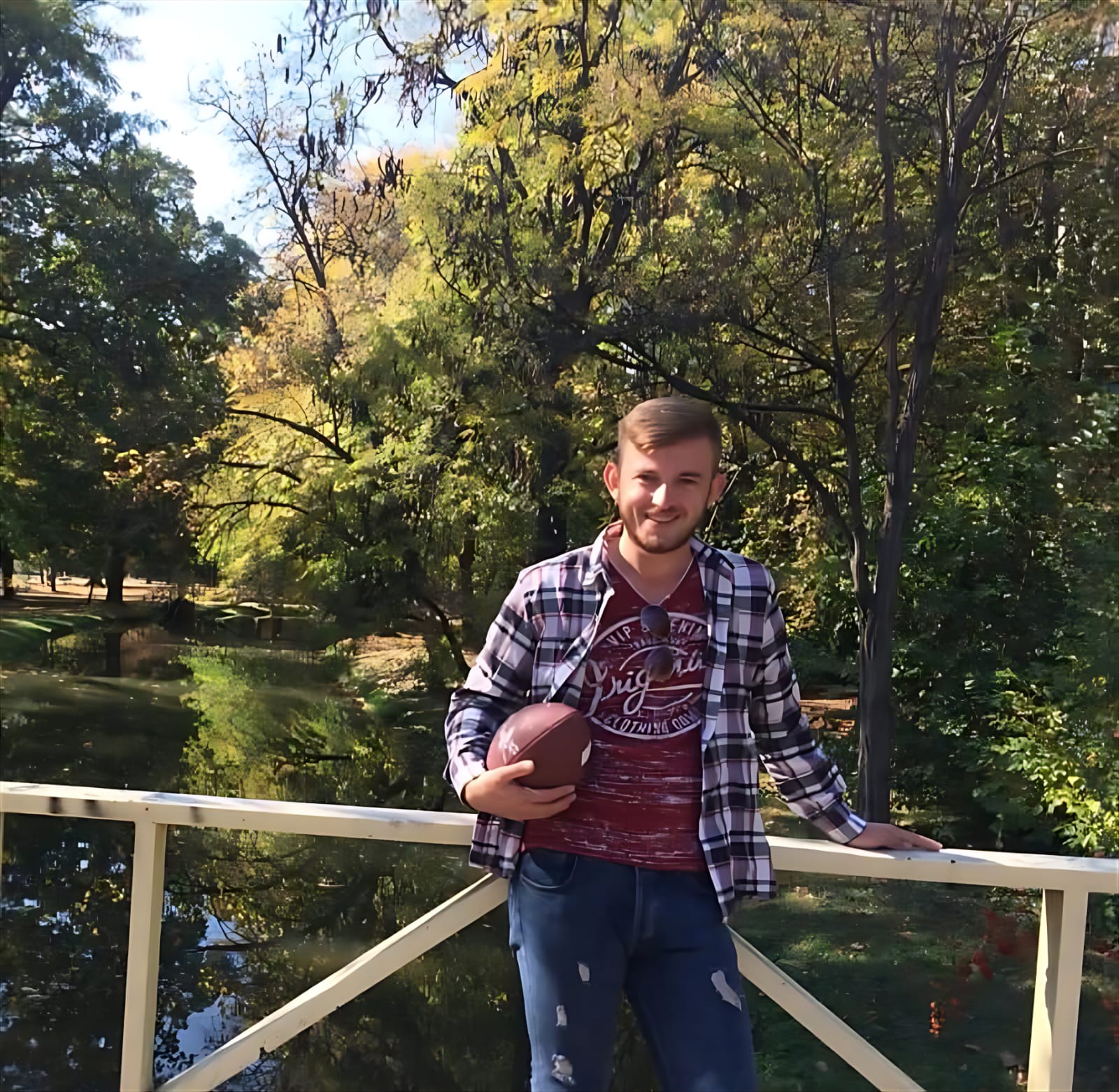
Image Credits
Engjell Hasula – Blerim Gjeloshaj, Ornela Kampula