Meet Haoyuan Ren | Photographer
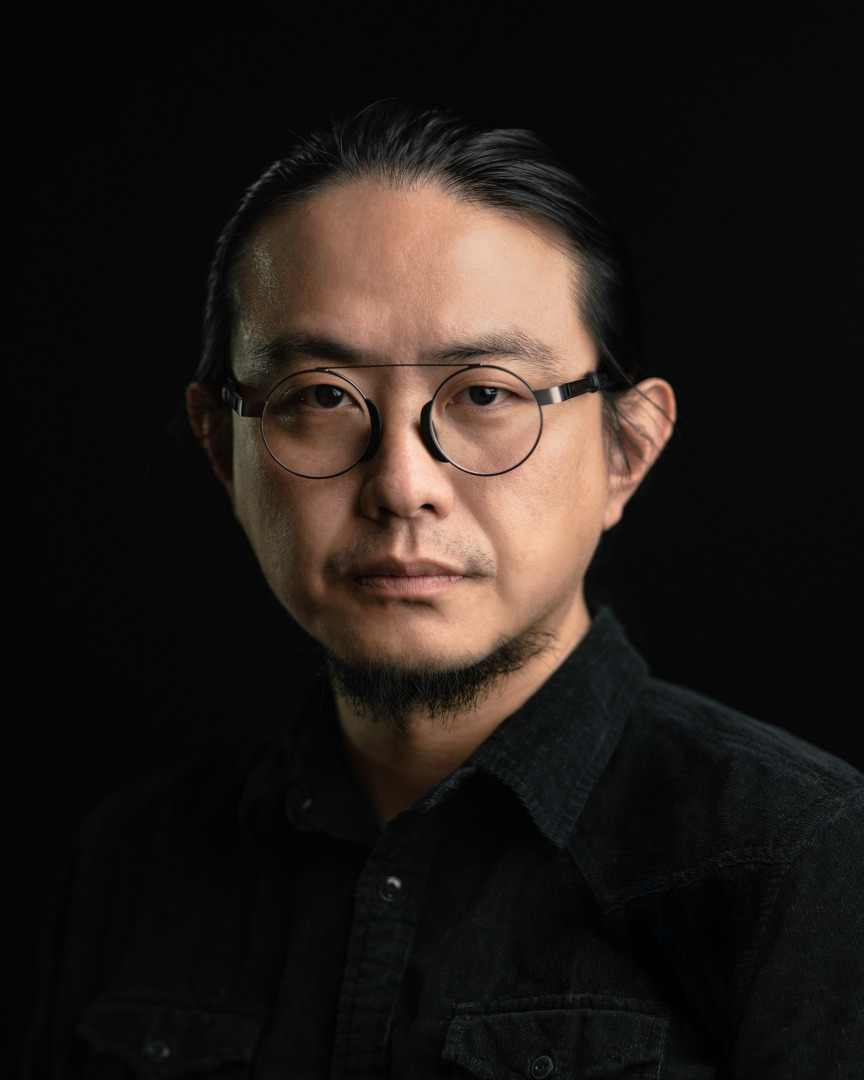


We had the good fortune of connecting with Haoyuan Ren and we’ve shared our conversation below.
Hi Haoyuan, what is the most important factor behind your success?
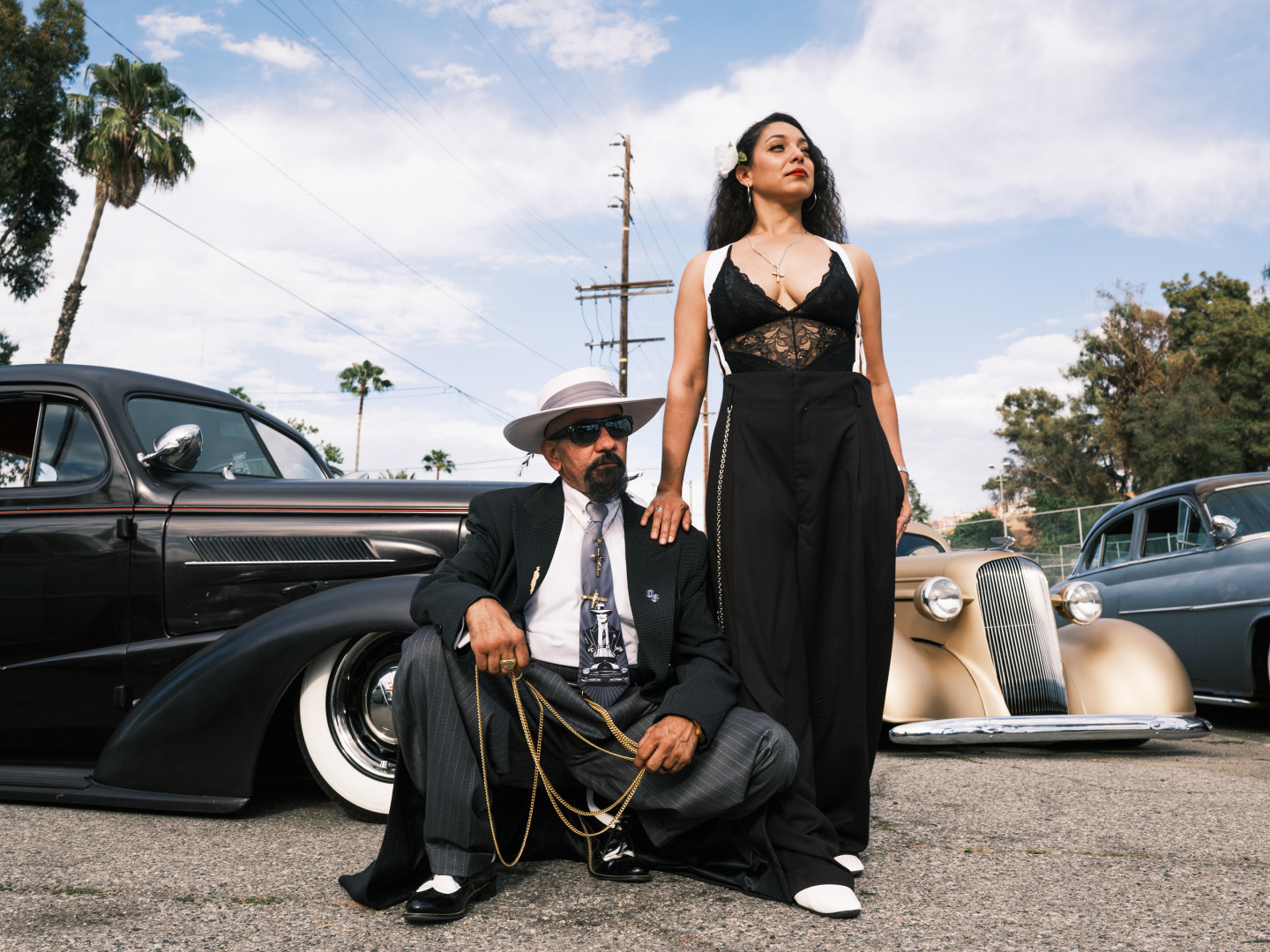
Spending 19 years behind the lens as a professional photographer has taught me that true success goes much deeper than a sea of likes or an infinite vertical scroll. It is the narrative staying power of your work: the ability for images to timelessly tell a story over and over again. It is fine to chase trends if you can internalize them into your core look, but trend-hopping rarely sticks because trends always pass. These are the tools that helped me decipher my own voice as an authorized observer in the Los Angeles creative scene, and they likely can help you build yours. Proficiency gives you the baseline vocabulary; it’s like learning scales in music. From there, intuition tells you when to click, and finally empathy frames your perspective.
Technical proficiency is your gateway to freedom. It is easy to follow the latest trends or YouTube tutorials, but exploring all aspects of photography can benefit you in many ways.
Shooting real estate can help develop your spatial awareness and make your photos always leveled subconsciously unless you’re going for tilt, while weddings teach you how to anticipate the moment and perform under high pressure.
Working with studio lighting makes you surgical with finding how light falls on a subject, even when you aren’t able to bring any lights of your own. Every frame you click contributes to your ability to shoot the things you eventually want to shoot. By building a larger visual vocabulary, you can expand your language and adjust your approach to any subjects you photograph and tell your story. This is a transferable skill; as your sensibility and style stay consistent, you simply deploy it in different areas of photography, and they remain unmistakably you.
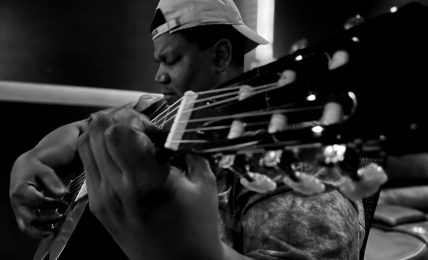
Intuition is the bridge between that technical proficiency and your creative subconscious. Whether you are trying to grasp the emotional undercurrent of a cultural event or feeling what the soloists on a stage are feeling, intuition allows you to predict that decisive moment. Without that prediction, once you see the moment with your eyes, it is already too late to capture. Another part of intuition is having a grasp of how an image can evoke feelings. We often know when a scene or a pose feels right even when we can’t articulate why; it is a clear, nonverbal emotional response that strikes the heart. You can materialize that feeling by analyzing your old work: deciphering why one shot feels right while nearby shots don’t, and trying to replicate it next time you shoot. This is a method of executing, refining, and executing again; like an ant integrating that knowledge one small piece at a time. When shooting under extreme pressure, it is often impossible to analyze the frame intellectually as the shot is happening, so that’s when the trained intuition takes over. Intellectualization after the fact is vital to digest the outcome of that intuition.
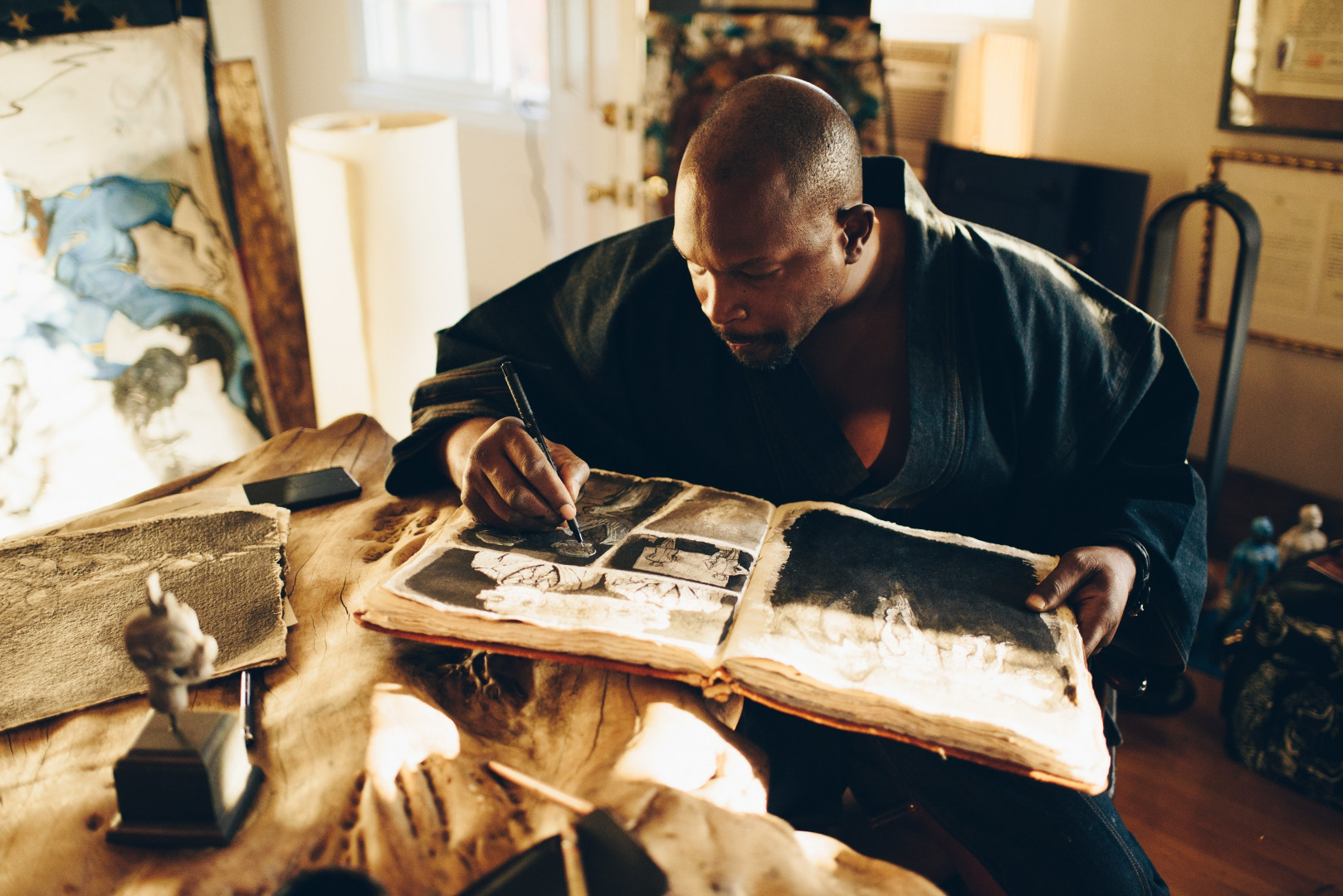
Empathy comes in a few lanes. First is empathy with the environment and the cultural undercurrent of the situation you are participating in. Understanding the reason why everyone is there frames your mission in a perspective that will be visible through your work. Then there is empathy with the subject. Instead of dictating how they should feel, you can slow down and put yourself in their shoes. You often find a different rhythm that will help you connect and allows the subject to become more comfortable with you. Finally, there is empathy with the client. Using your own experiences, you can often float ideas to the client; you’d be surprised how valuable your visual vernacular can be when used to convey what they want to say in their hearts. Often, the people who hire you are not image-makers; they will know if something feels right or wrong, but they don’t always have the vocabulary to articulate why. You have the vocabulary that you’ve built over your countless clicks and they have the feelings of what they want to say, which allows you to be that translator and bridge to build that cohesive aesthetic and narrative together.
Let’s talk shop? Tell us more about your career, what can you share with our community?
I approach my work with a documentary mindset, focusing on being an authorized observer that values sharp storytelling over traditional live performance photography trends. When I began working with MUSE/IQUE in 2019, I was fortunate to have the creative freedom to translate their vibrant energy into a lasting visual narrative. Because live performance disappears the moment after the final bow, we worked to build a permanent visual archive that could document their impact to the community. This role allowed me to further evolve my experiences with live stage performances, providing the specific creative space not just to capture the action, but to develop a signature style specifically for the organization.
Providing this visual evidence allowed their mission to be shared with a wider audience and served as a vital asset for their development and funding.
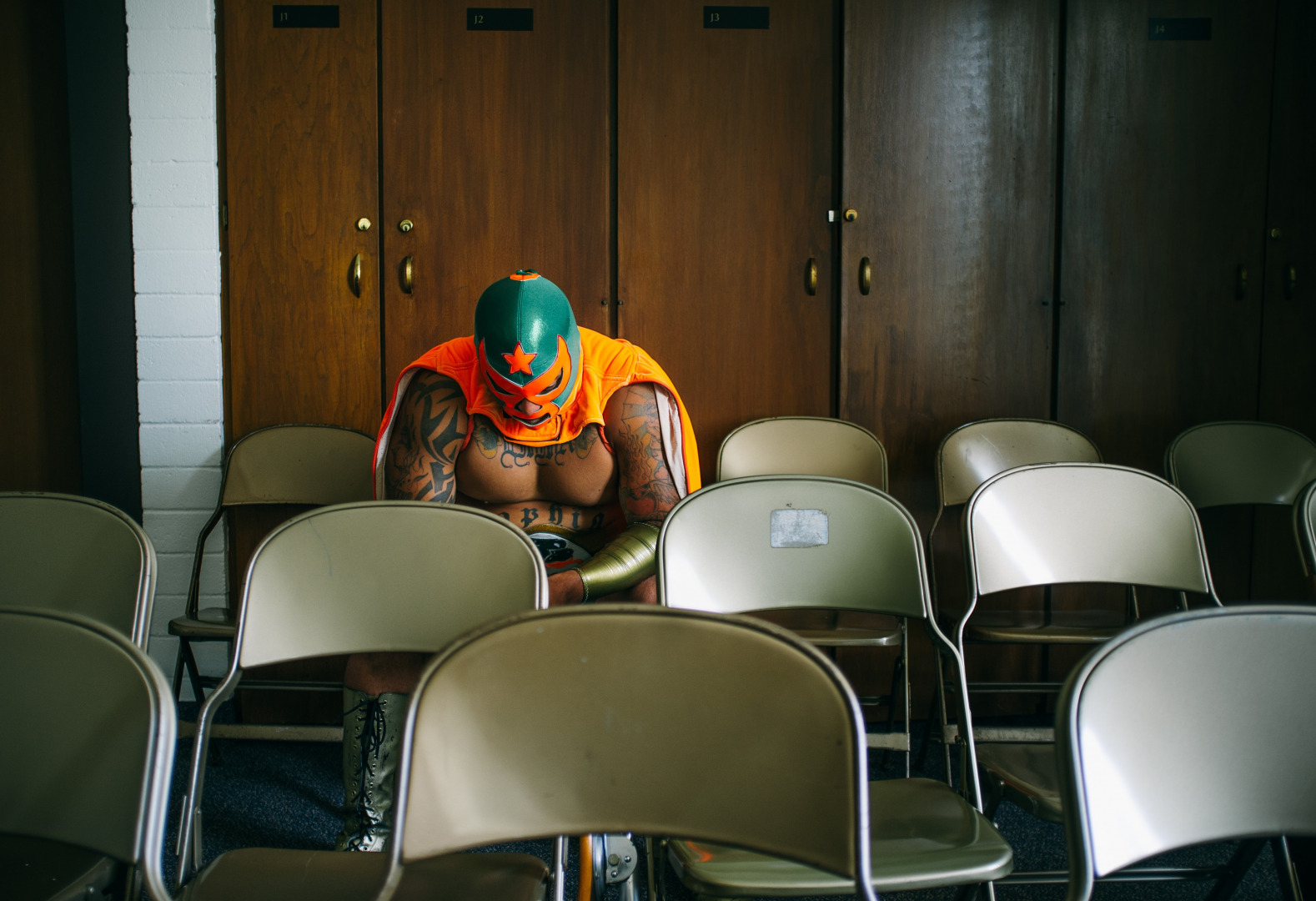
To be able to own the skills to develop the visual style for a Los Angeles institution required years of constant refinement and a deep commitment to personal projects. It was not an easy path, but a slow process of internalizing the craft until execution became second nature. Within my personal projects I found my looks and voices. I learned how to focus on the quiet humanity of the Chinese migrant workers in the project Unsung Reverie, or the liminal in-between souls of my project In Vacuo, to capture the high voltage collision of Tokyo Blues. The years spent making all of my personal series alongside commercial work allowed me to cultivate a sensibility that transcends the subject matter. These experiences flow together and allow my perspective to stay consistent regardless of the environment I am shooting in, preserving the integrity of my visual signature.
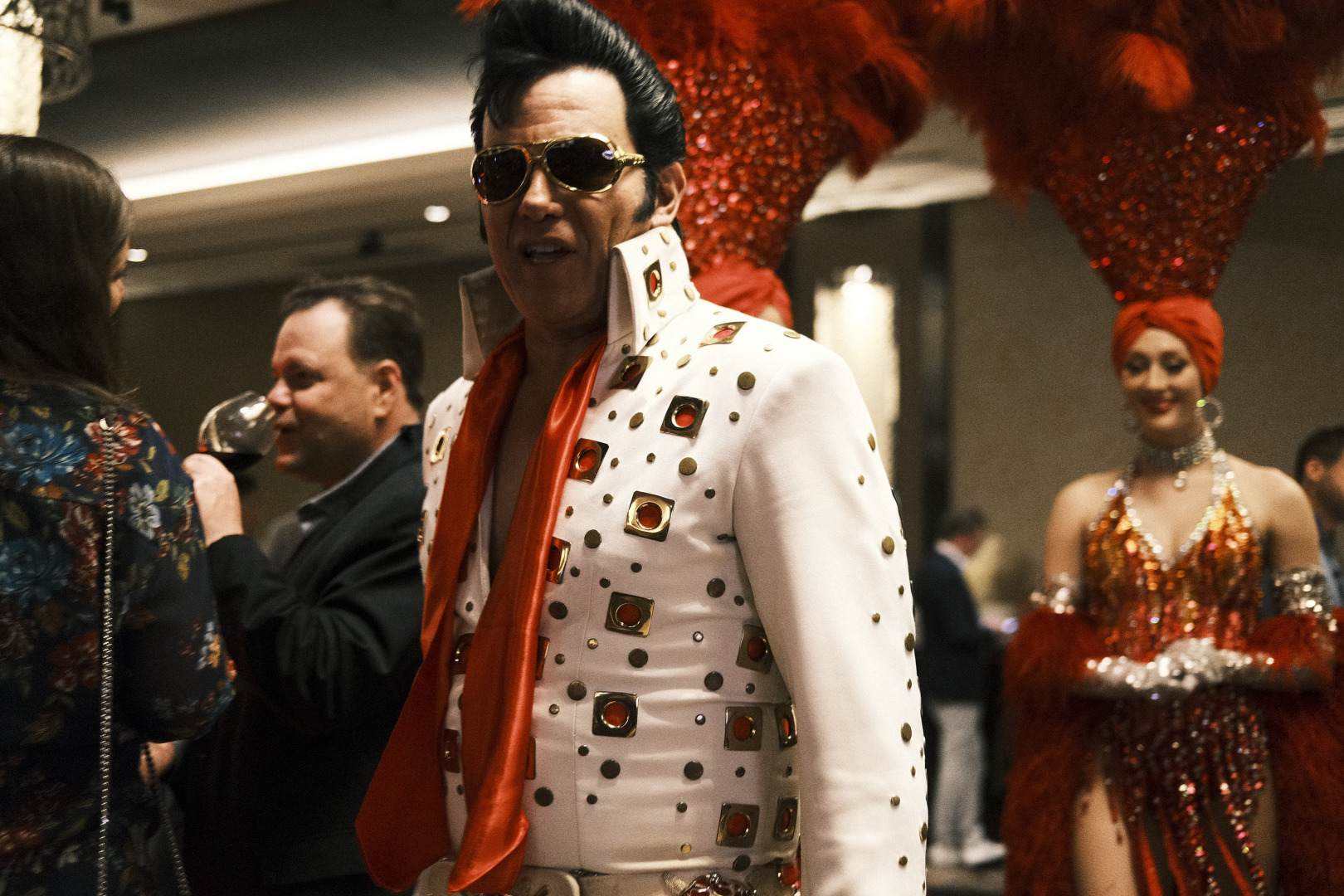
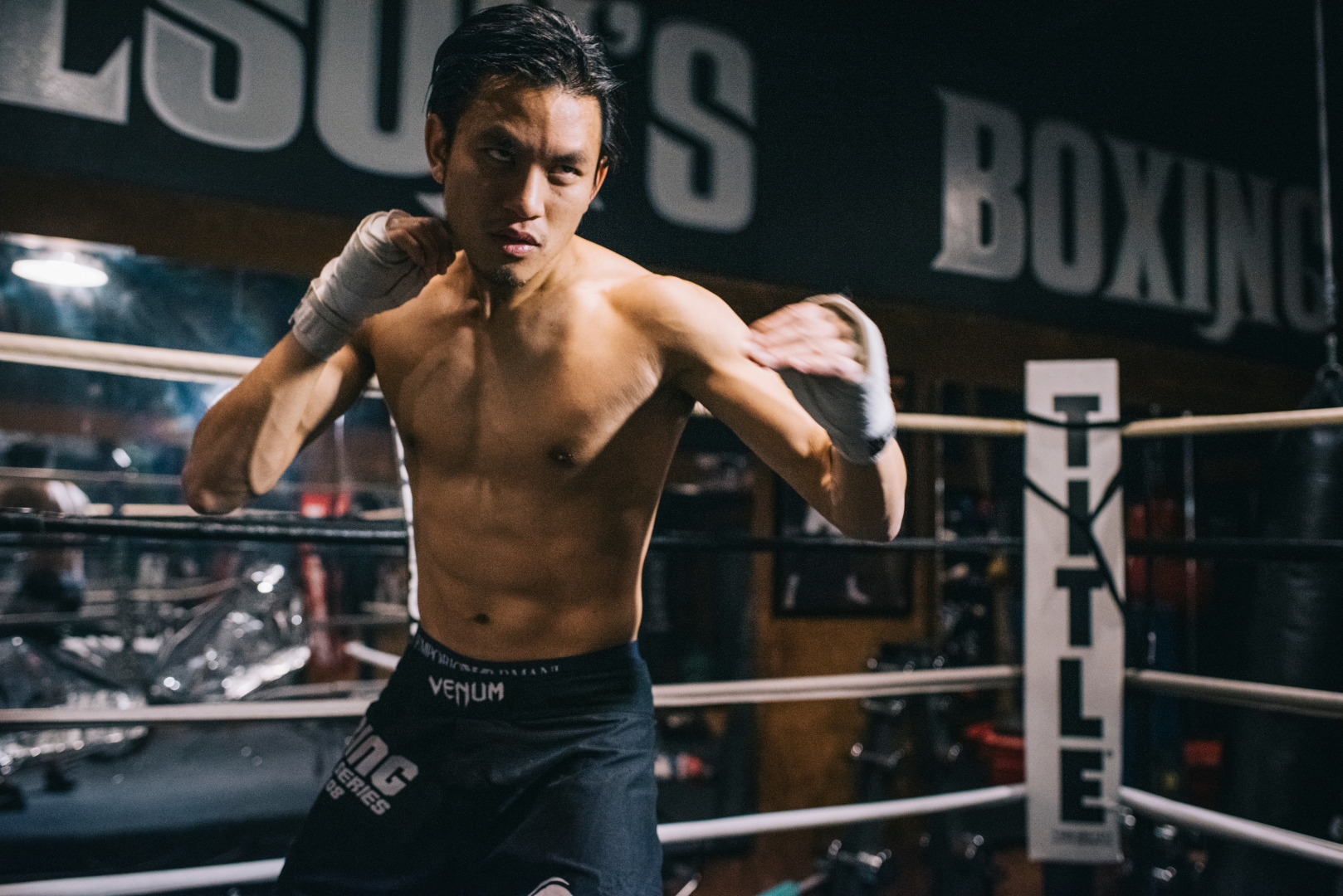
We are living in a unique time where audiences are becoming tired of the perfectly synthesized look generated by a prompt. With too much choice, we risk the simplification and homogenization of the visual medium. AI can spit out images at an unprecedented rate, but perfection is cheap. Even though a prompt can generate a photo that used to require skill and luck at the press of a button, it cannot capture the realness of being physically present. AI struggles to document the genuine in-between moments: the crescendo before the release for a soloist on stage, or the blankness of a burnt out migrant worker at the end of a long day, or the annoyed stare as someone notices you entering their bubble.
It is the capture of these specific, unpromptable truths that makes establishing provenance so vital for our posterity.
If you had a friend visiting you, what are some of the local spots you’d want to take them around to?
I really believe we’re in the best city to immerse ourselves in all of imagemaking. LA has this massive, unique collection of curated museums and exhibits, and we as a collective of creatives are lucky to be right in the middle of it.
The Getty Center is my first pick. They have a huge photography department with a deep permanent collection and constant rotations. Since the permanent stuff is more classic, you get the full picture of the history of the medium. Right now, check out the Photography and the Black Arts Movement (1955–1985) exhibit. It’s a celebration of Black culture and the civil rights struggle. The images are gripping, true, and serve as a raw record of the time. It’s not just “pretty” pictures; it shows the full range of human emotion, including uncomfortable truths.
Then there’s the Academy Museum. It’s not strictly a photo museum, but it puts the narrative aspect of image making front and center. One can argue that filmmaking is the most direct way to tell a story. Seeing the behind the scenes: the storyboards, the scripts, the design, shows you everything else that goes into a frame to enhance the narrative. It’s about understanding the structure behind the shot.
Finally, right next door at LACMA is where I recommend to be in the presence of old masters. Long before cameras, the 17th century Baroque painters were already masters of cinematic lighting. Look for masters like Caravaggio and Rembrandt to see chiaroscuro in its original form. The Japan Pavilion is also where I had a formative experience seeing Daido Moriyama’s work in person. His gritty, confrontational sensibility is something I still use today.
Shoutout is all about shouting out others who you feel deserve additional recognition and exposure. Who would you like to shoutout?
I would like to dedicate my shoutout to the Pasadena-based non-profit music organization MUSE/IQUE, whose goal is to bring the magic of live music and education to everyone, including many underprivileged children who may otherwise not have the opportunity. Since 2019, they’ve given me the trust and the creative space to truly inhabit the role of an authorized observer. Capturing their diverse, vibrant, and evocative live performances allowed me to refine the intuition and empathy that continues to define my work today.
It also taught me how to build relationships with everyone beyond just the imaging department. This growth was only possible because of the incredible support from everyone who has been part of the MUSE/IQUE team. From the staff working tirelessly behind the scenes to the dedicated volunteers who facilitate every event, every member of the organization has played a part in my story. They provided a platform where I could help shape a visual aesthetic and build a visual archive that prioritizes real human moments over synthetic perfection. Their collective belief in my vision and their constant encouragement have been a vital part of my narrative building journey.
Website: https://ren.photo/
Instagram: https://www.instagram.com/haoyuanren/
Linkedin: https://www.linkedin.com/in/haoyuanren/
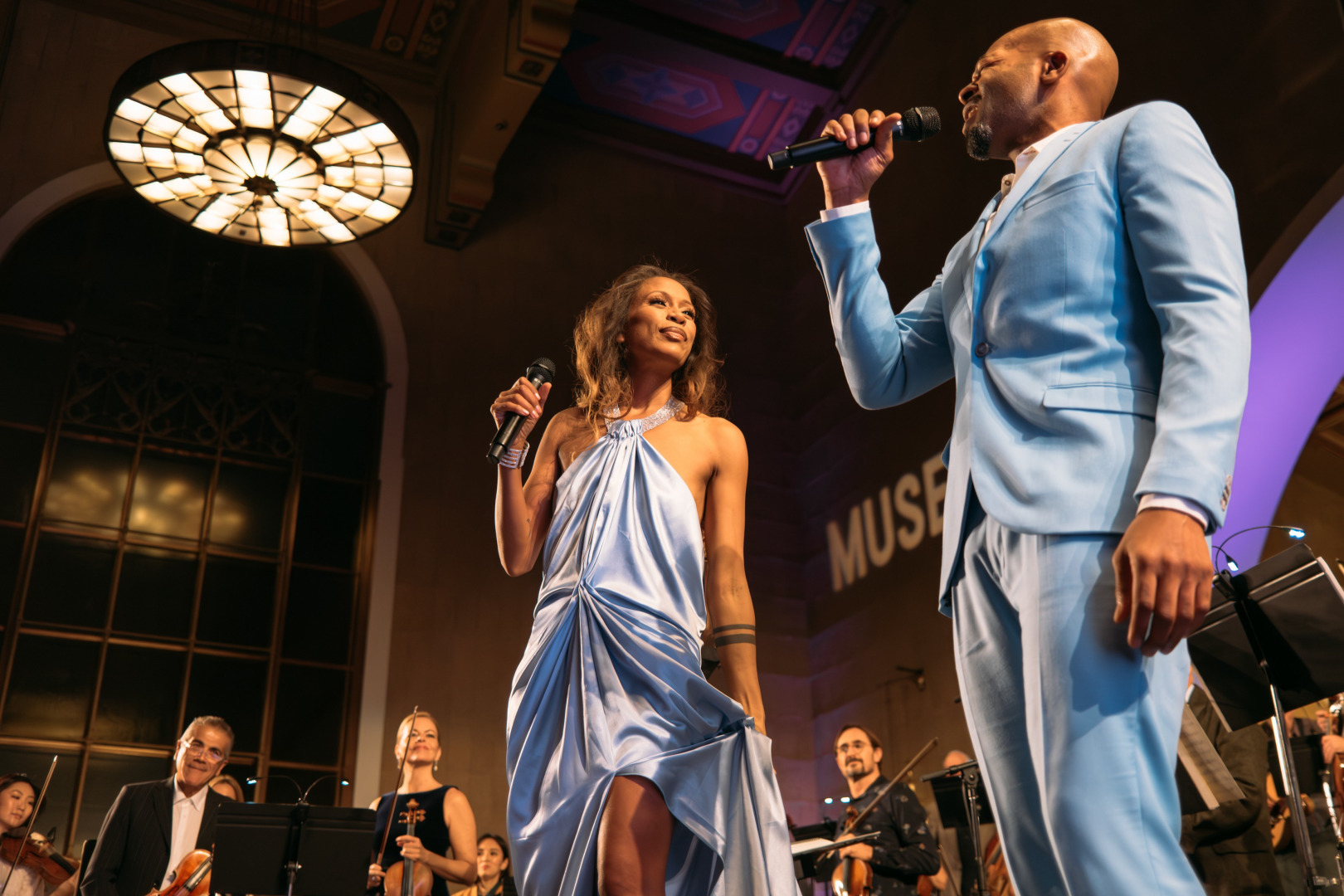
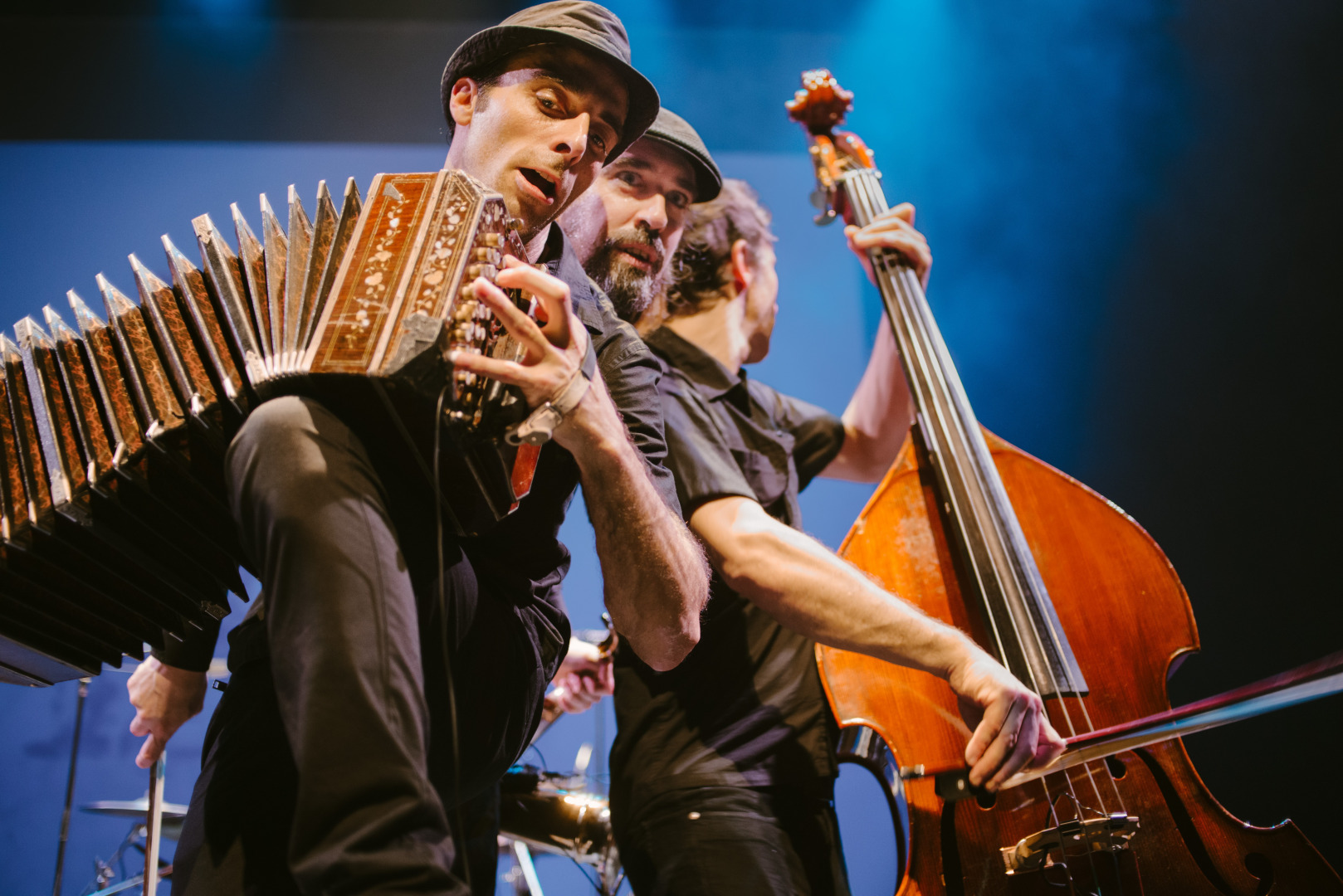
Image Credits
© 2026 Haoyuan Ren