Meet Irena Cora Stathis | Herbalist and Plant Medicine Teacher
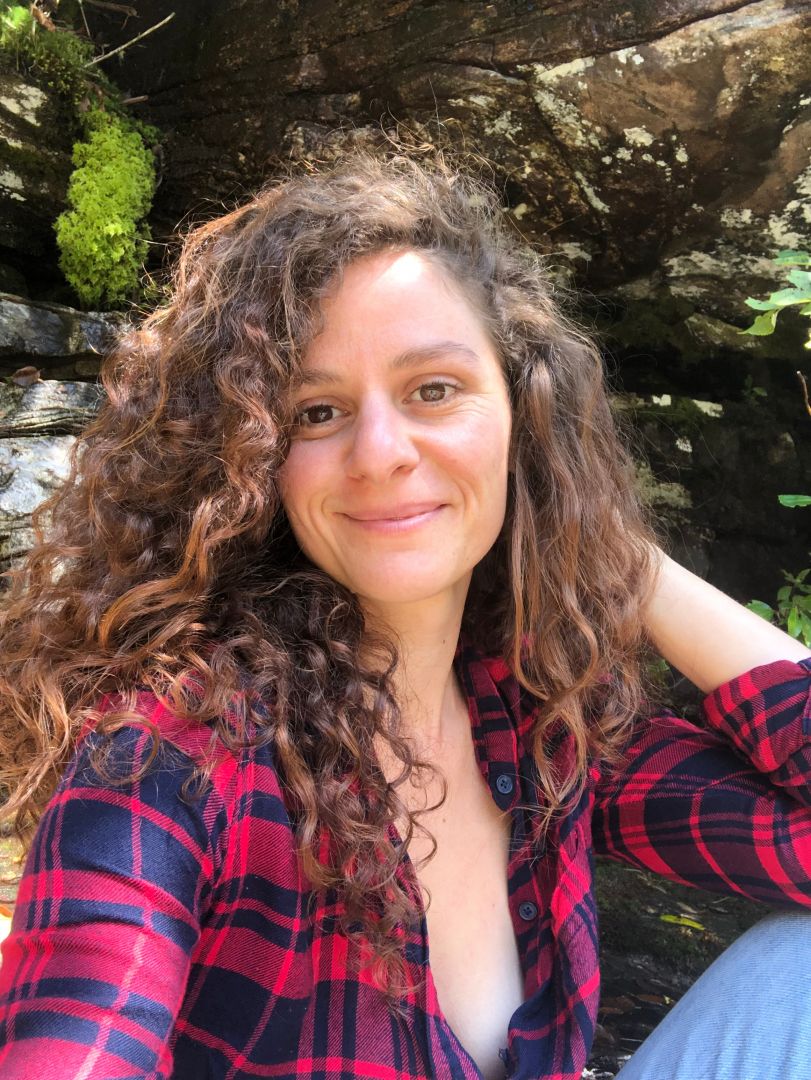


We had the good fortune of connecting with Irena Cora Stathis and we’ve shared our conversation below.
Hi Irena Cora, Let’s talk about principles and values – what matters to you most?
A tough question, for sure, but something that I think about a lot is the ecological impact of the work that I do and how my work, the classes I teach and my clinical practice, affects not only my clients and my community, but the plants and the communities they come from.
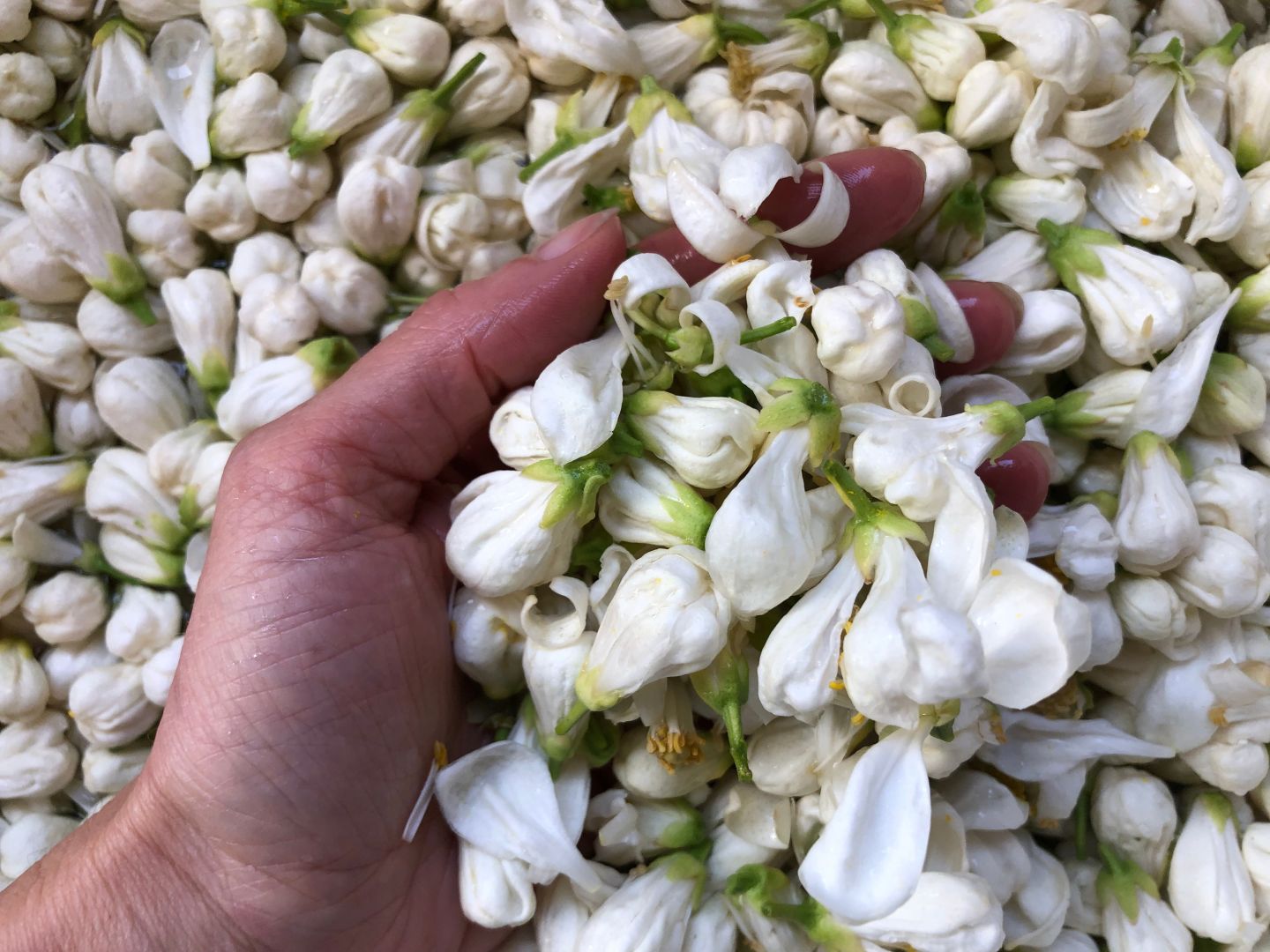
I am an herbalist, which can mean many things to different people – including growing medicinal plants, making herbal extracts and helping people with their health goals utilizing the healing qualities of plants. This question of sustainability, and it’s a big question, is multilayered. On the one hand, I personally have experienced and I have also witnessed in my practice the life-changing effects and incredible healing that can come from working with medicinal plants. This is one of the reasons why I felt called to begin teaching and offering my services to a larger audience in the first place, because I wanted to share the beauty and magic of herbalism with others. I wanted people to know that there is this option out there, to have a relationship with plants that is nurturing and supportive and transformative.
On the other hand, with the growing popularity of medicinal plants and activities like foraging and at the same time the loss of habitat through development, deforestation and even wildfires fueled by climate change, it brings up some big questions about sustainability. There are these powerful forces at work, like consumerism and capitalism, that tend to put pressure on the natural resources of our planet, including medicinal plants. Of course, this is nothing new, humans have been using plant medicines probably for as long as we have existed and the exchange of goods and the exploitation of wild lands, resources (the plants which become commodities) and the indigenous peoples who live and tend to these plants and places, has happened repeatedly throughout our history. There are countless examples of an herb becoming popular, and someone wants to capitalize on it and then we start to see the destruction of wild habitat to grow the plant unsustainably or the overharvesting of wild plants in a way that not only diminishes their populations, but also damages the environment, the bioregion, that they inhabit.
It’s not always just the big companies and the larger global scale of profit and demand that is harming the plants. I think sometimes in our enthusiasm and excitement for things like foraging for wild foods and healing the body with plants, we can easily lose sight of the bigger picture. You know, we don’t ‘see the forest for the trees’. Just the idea of eating a wild plant or gathering your own wild medicinals, can be so novel for folks, and in our naïveté we don’t realize that when you harvest wild plants it can affect the whole ecosystem, it can be harmful, but it can also benefit the plant community. So, how can we help? How can our interaction with the environment, with wild plants, be sustainable, regenerative and beneficial to nature?
Our presence in ecosystems is important and we need to learn what our role is in helping support the living systems that exist there. I think it has to start with us, each individual person. How am I affecting the plants that I wildcraft or how can my garden be a place not only for me to enjoy and reap the fruits from, but also a habitat for local wildlife (the birds, native pollinators etc.)?
It brings up a lot of questions for me as an herbal practitioner. You know, what are some of the ways that I can help protect and advocate for our wild plants and ecosystems? How can I continue to learn and remember how to tend to the land and the plants in a way that helps them thrive and ensures that they will be there for future generations? How can I help reeducate others on how to be in relationship with the land and the plants in a way that is regenerative? Instead of just using the plants for our own benefit, can we learn to take on the role of caretakers, of stewards of the land. Again, there are many levels to this. I personally find it helpful NOT to focus on the problems or to point fingers, but to be aware that plants can be abused and misused, over harvested etc. To see how the choices we make with how we grow and tend to the plants and where we get our herbs from can make a difference in the larger scheme of things.
I am just one small herbalist in a region where tens of thousands of people live, with many different interests, passions, perspectives and priorities. But one of the things that I have found with this work is that it can really reach anyone, no matter what their background is, or where they live or what they do for a living or for fun, plants are unbiased and we all need help sometimes to feel better. When you have an experience of being healed by a plant, it brings about a feeling of gratitude and reverence that I think can help us relate to the world in a bigger way. So, there is this really beautiful thing, the plants offer themselves up to us – to heal our bodies, to help us find joy and peace and relaxation, to nourish us and give us strength, they can do so much for us. It really is a gift, from nature, that the plants provide us with healing qualities for all our ailments, big and small. In the modern world we live, many of us are not taught these ways, things that our ancestors knew and understood so well, how to live in harmony with nature, to give and receive, to take care of the land, plants and creatures that we depend on, to respect their lives as being just as important in the great scheme of the universe.
I think it begins by spending time in nature and really getting to know the place where you live. What other beings besides humans live there? How do they relate to each other? What is my role in this ecological community whether I am visiting or living in it? How can I help support the health and thriving of the ecosystem in which I live (yes, even if you live in a city, you are part of an ecological community)? Here in LA – there is so much wildlife, coming down into the cities from the local mountains, birds migrating through etc. Am I even aware of this?
This is something I talk a lot about in my classes – how to develop a sense of place, a relationship with the land. I think this relationship is so important, because so much of how we interact with the world depends on how we understand and relate to it. If I see myself as being a part of this larger community of wild animals and plants and mountains and watersheds and clouds and planets, it changes everything.
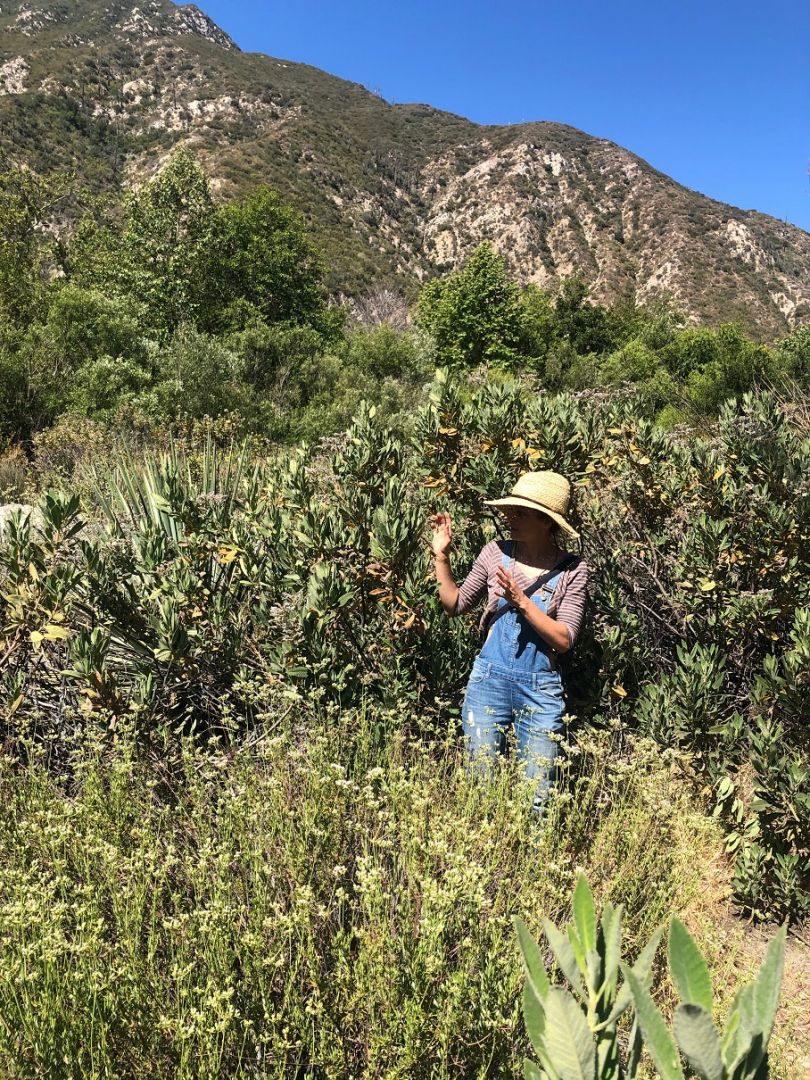
I’ve heard Karyn Sanders, an indigenous herbalist based in Mt. Shasta, speak about waiting 7 years to really get to know a place before harvesting from it. Can you imagine big profit-driven companies hiring botanists and ecologists to survey the land and then waiting that long to see if they can harvest this plant sustainably? It’s a very unlikely scenario, but small business owners, individual herbalists – this is within our reach. We can move into a deep relationship with the lands that we are harvesting from, whether it be your garden or local wild places. It takes time to learn what the plants need to thrive in their community, to understand how other beings depend on them for food, shelter and medicine. We need to become aware of the fact that other people may need these medicines too and not just myself. And as we begin to expand our view, to take in more of the ways that each plant is connected to a larger and larger community, to the planet itself, we can start to see how I fit in and what sustainable Herbalism actually might look like.
There is this great quote from UK herbalist Christopher Hedley that really sums it up, ‘The first duty of an herbalist, is to the Earth itself.’ And in some ways I feel this is true for all of us. Not just herbalists, not just nature lovers and environmentalists and biologists, but all of humanity.
Alright, so let’s move onto what keeps you busy professionally?
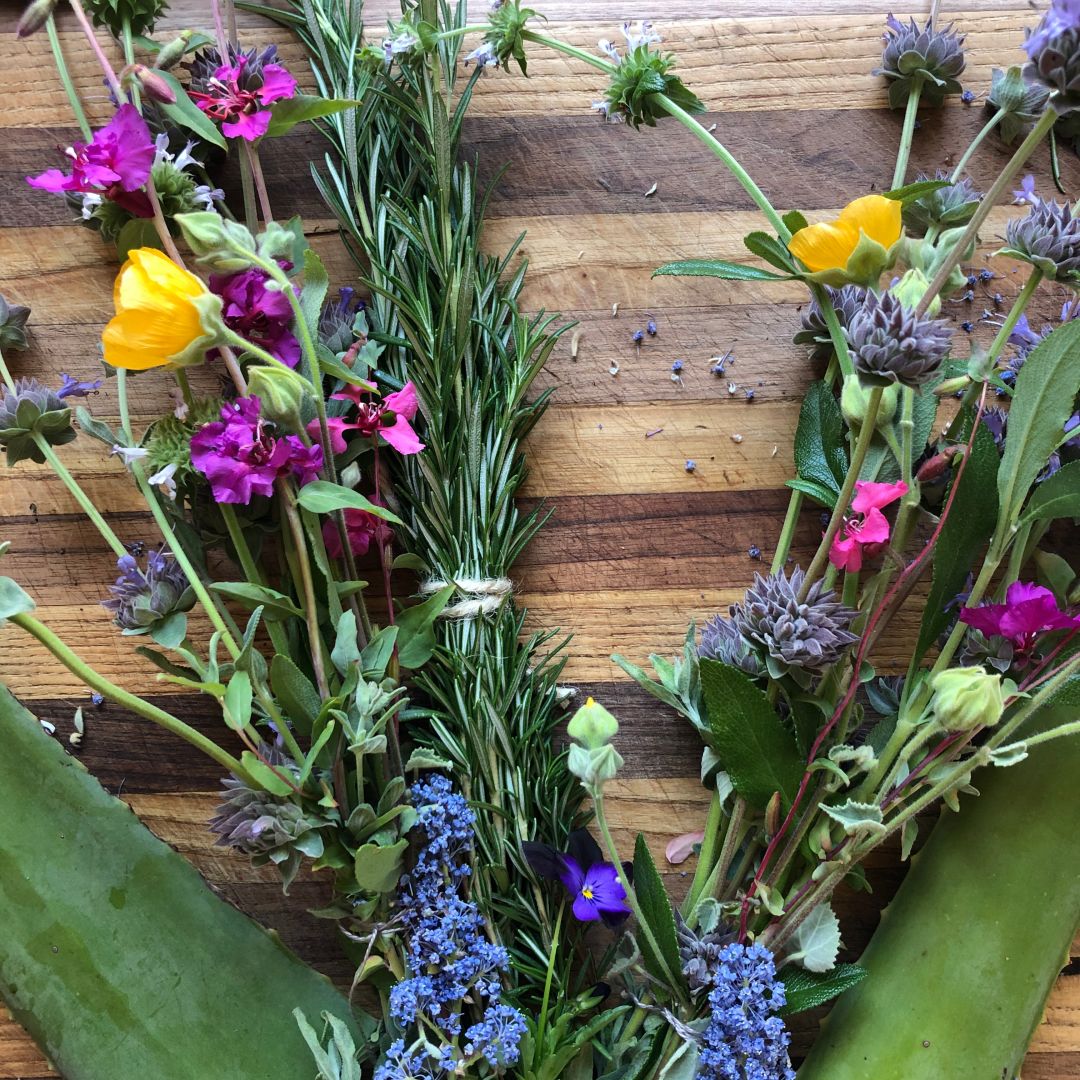
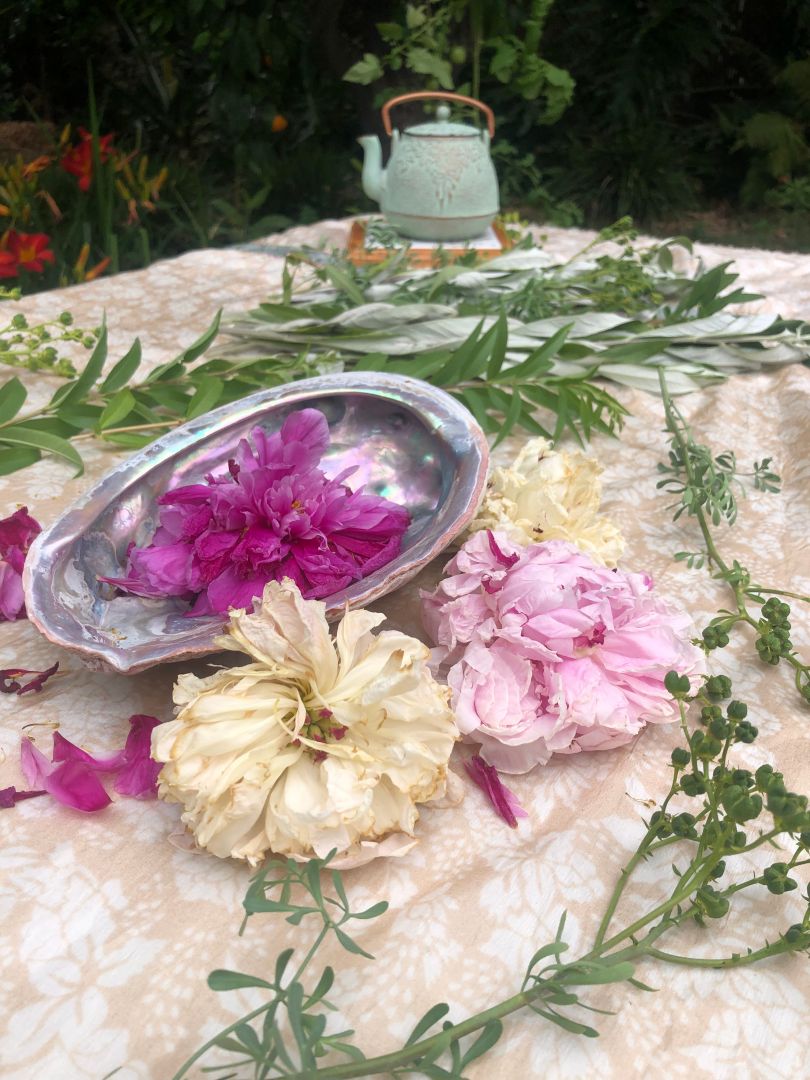
One way to describe what I do is that I am a plant lover who practices the art of Herbalism. I am fortunate to have my own garden, which is as much a love letter to the hummingbirds and pollinators as it is a little haven for myself and my family. I offer classes on Herbal Medicine in my garden and even see my clients in the backyard, we sit at a small table on the back patio that looks out into the garden, with the birdsong and wind chimes playing softly in the breeze. It really is a sanctuary and I love being able to share it with others.
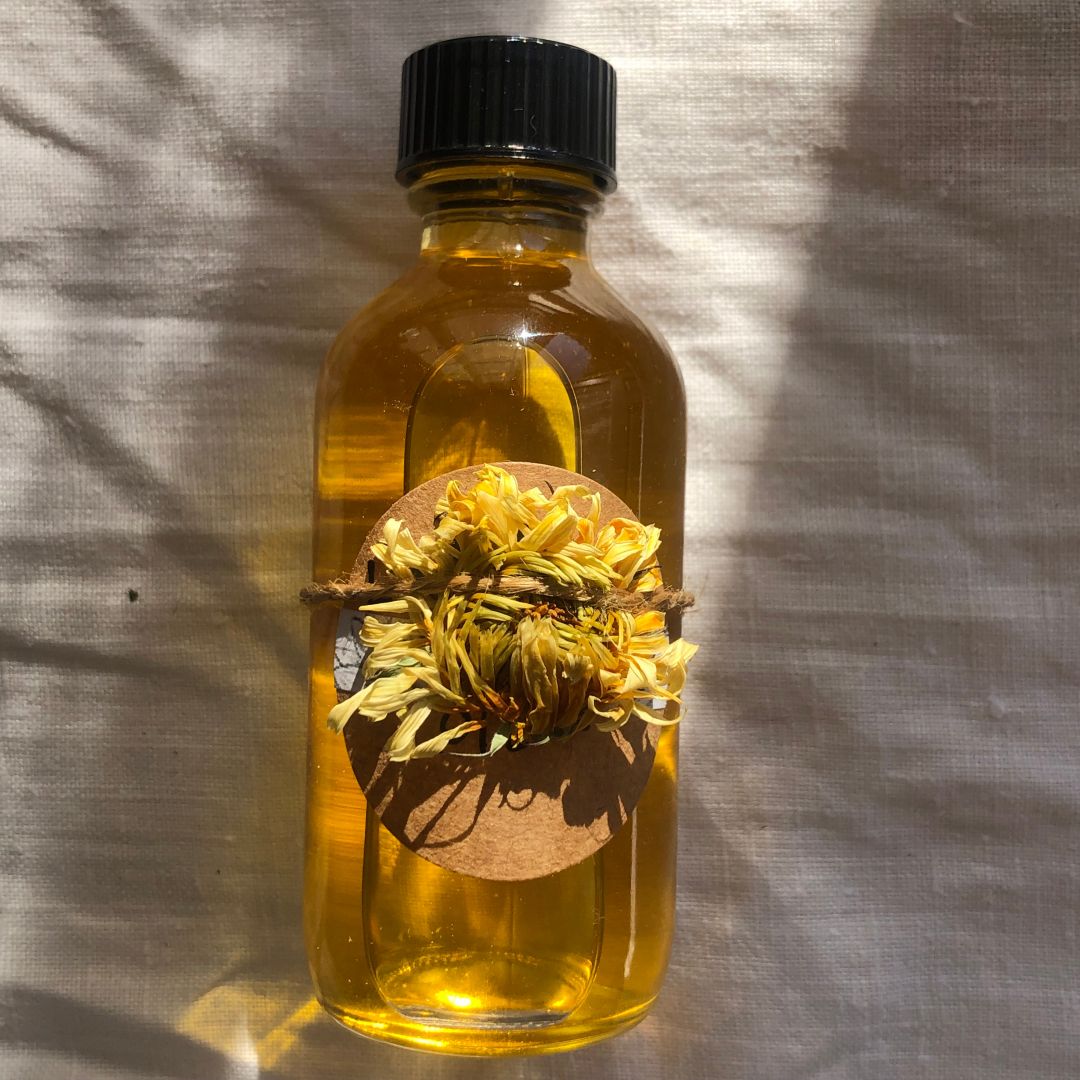
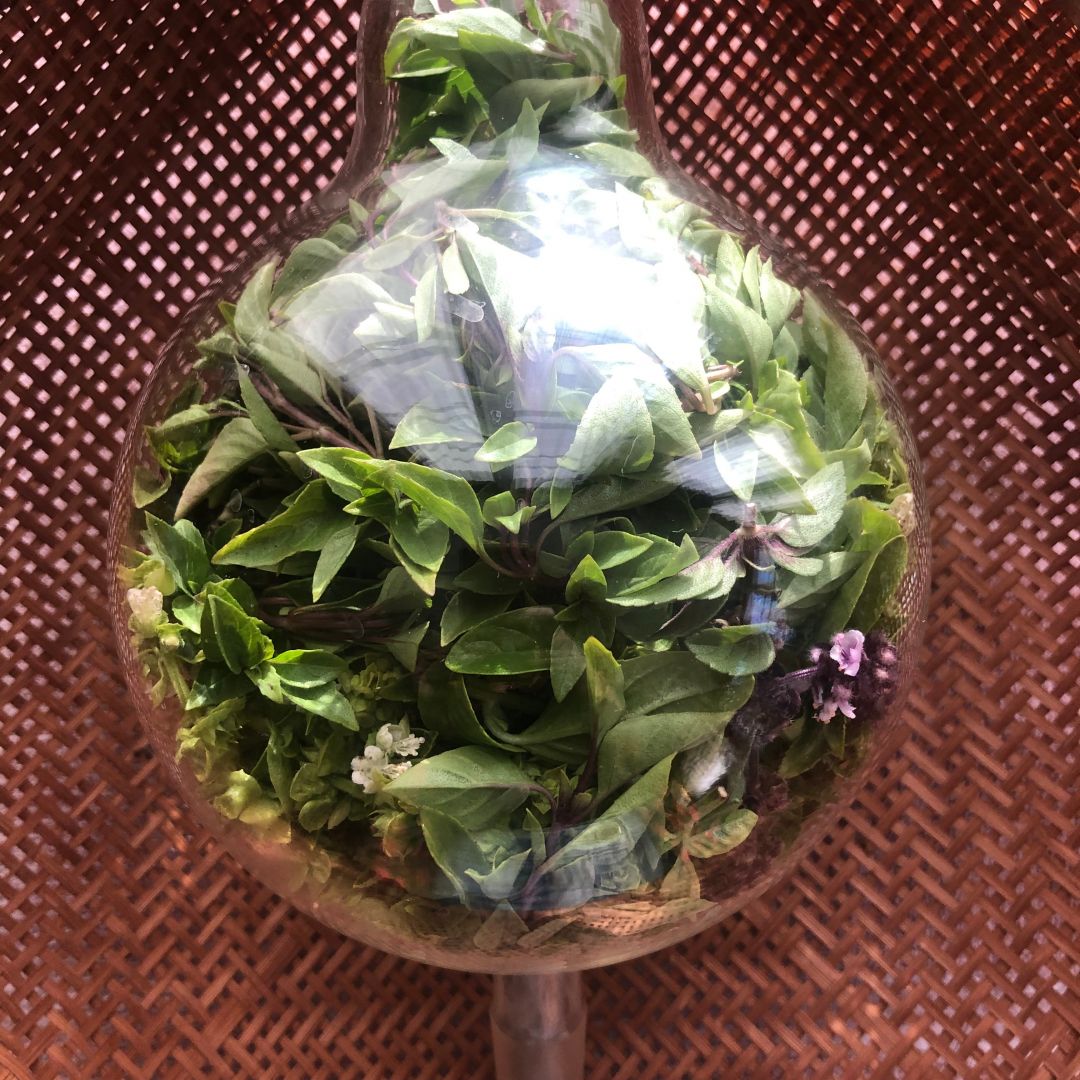
One of the greatest gifts about the work I do, is that it allows me to be endlessly creative. Every class I teach, I discover new ways of helping others open to the vast world of medicinal plants. I am always trying new things, new recipes, new methods of extraction, new ways to help people experience for themselves how plant healing works in their own bodies. Whether it’s crafting our own herbal scrubs for the lymphatic system or just sharing an herbal infused water that I created specifically for the workshop, there is always an element of play and joy involved, and that comes from working with the plants.
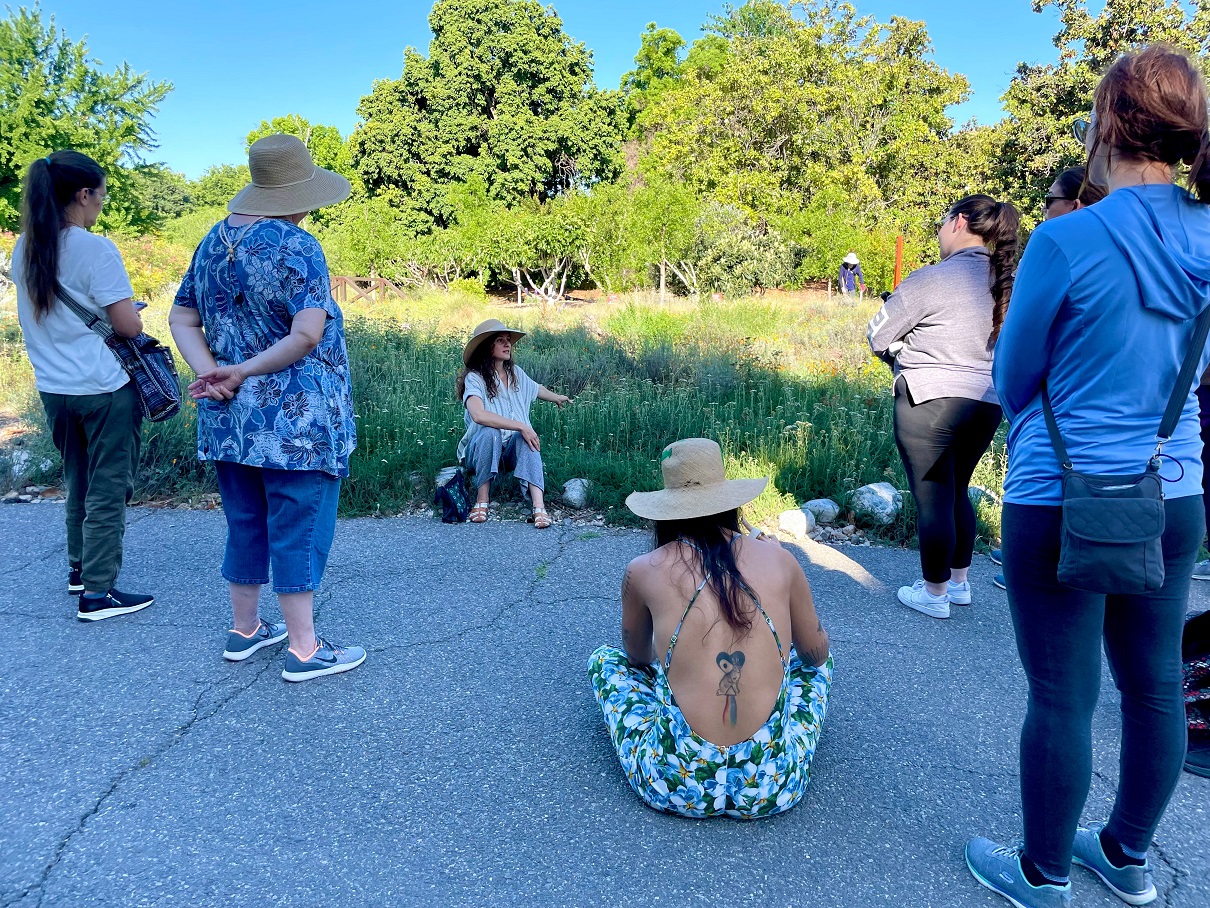
I am not sure what sets me apart from others in my field, as far as I can tell we each bring something unique to the table. But there are definitely some things that I am really excited about with my work! I just finished teaching my first ever Women’s Herbalism Course – an immersive program that spans four months and covers multiple body systems, herbal steams, massage and other topical applications, in-depth and hands on Materia Medica, plant communication and recognition and so much more. We took regular plant walks getting to know our local ecosystems, gathered in the garden working directly with the plants and sampled many of my herbal extracts, oils and elixirs. I am really looking forward to offering this program again, it was truly such a beautiful experience to support this group of women in deepening their blossoming healing relationships with the plants and to be able to assist them in creating time and space in their lives for self-care.
I am just starting to look at my Fall schedule, and while I don’t have all the details just yet, I can tell you that I am planning a new class series on building your own herbal apothecary that I am super jazzed about! This will be a hands-on series where you will learn the ins and outs of crafting your own herbal medicines, foods and balms to help you begin to create your own little apothecary of healing remedies for you and your family.
Another offering that I am currently teaching online, but will hopefully bring back to in-person soon is my Plant Immersions classes – these are some of my favorite classes to teach because they give participants an opportunity to really get to know a plant intimately and deeply from how to recognize, gather and prepare it to all its amazing healing qualities and unique attributes. They are usually about monthly or bimonthly. So looking forward to offering more of these!
There have certainly been some challenges along my path, some unexpected turns and a few detours, but I think in looking back I can see how it all helped me to find my way to the work that I am doing now. The biggest difficulties, honestly, I think came mostly from myself, you know, not believing in myself and being afraid of rejection or failure. I am so lucky that I have had some really incredible mentors and a super supportive family and community. They encouraged me to try teaching for the first time, even though I was so nervous it made me nauseous, and helped me to try again when things were tough and I had to cancel a few classes. There was a chunk of time when there was a slow down in my class attendance which definitely made me doubt myself. But, ultimately, I think I had to find my own confidence in myself and to remember why I started dong this work to begin with, once I reconnected with that joy and love for the plants it felt easy to put myself out there more, to let folks know about my offerings and little by little I I began to see my practice grow and my classes flourish. Becoming a small business owner (which I never really thought I would be) and doing this kind of creative work has shown me a lot about myself, but also about life. We don’t live in a vacuum, man is not an island, we really do depend on each other so much. I would not be doing this work if it weren’t for all the people who have supported me over the years, all the people who have attended my classes and who have trusted me to help guide them in finding better health and wellness. I am so thankful to each and everyone of them,
Let’s say your best friend was visiting the area and you wanted to show them the best time ever. Where would you take them? Give us a little itinerary – say it was a week long trip, where would you eat, drink, visit, hang out, etc.
LA is definitely a great place to come for food, music and all kinds of other activities. It seems like whatever you can think of, we got it. A friend was visiting me recently and I took him on a hike in Griffith Park to see the iconic Observatory, and on the way we met a group of folx who were going up the hill to roller-skate and do yoga, at the same time, I guess. They were so friendly and invited us to join their monthly meetups.
Honestly, I have to admit that I am still just barely getting to know the city and all it has to offer, even though I have lived here for many years. I love being outdoors and away from the crowds more than anything else, so, for me my favorite activities are centered around being in nature as much as possible. I would probably take my friend on some beautiful hikes in the local mountains, at least one beach trip in Malibu and for sure, a botanical garden or two.
Here are a few of my local faves:
Descanso Gardens – I love botanical gardens and this is one of my favorites, besides being so close by, they have a huge collection of Camellias (which bloom in the Winter), towering native Oaks and even some Redwoods. So peaceful and plenty of shade on a hot day. There’s a sweet loop you can walk that takes you through some native wild plants around the borders of the property. Deer even visit there. It’s nice for folks who maybe can’t handle a hike on a trail, but still want to get out in nature.
Los Angeles County Arboretum – the Arboretum has extensive grounds with beautiful views of the San Gabriel Mountains. Their herb garden is fantastic with so many medicinal plants, including an epic early spring display of Violets. There are so many different trees to meet and areas devoted to different bioregions of the world. Plus, they have some great workshops and outdoor classes, like Tai Chi and Goat Yoga regularly.
Brand Park – if you live in Glendale, you are probably familiar with this park with some strenuous trails that climb the steep (I mean it) mountain with pretty spectacular sunset views of the Santa Monica Mountains and even the ocean in the distance on a clear day. They used to have free live music on Friday evenings during the summer, bring your own picnic, such good times, I hope they bring it back.
Kitchen Mouse Bakery in Highland Park – I recently discovered this place, gluten-free and vegan fare. Although I don’t usually eat a lot of sweets, their turmeric and tangerine donuts made my day and they have mini cupcakes too!
Lemon Poppy x Parsnip – a friend and I stumbled upon the Parsnip Cafe a few years back, and this tiny spot was packed. Authentic Romanian Paprikash in a rich tomatoey sauce and stuffed flatbread with sour cream and pickled onions, so good. Now they are partnered with Lemon Poppy in a new location and the food is just as tasty.
Shoutout is all about shouting out others who you feel deserve additional recognition and exposure. Who would you like to shoutout?
There are so many folks that have helped me to be where I am today in my work and who have helped shape my relationship to and understanding of plants. I feel like I have been really lucky to get to know so many generous, kind, and knowledgable people – there are just too many to name them all here and I am sure I might forget some… I have to say too, that if it weren’t for the plants, I would never have met all of these wonderful humans, so much endless gratitude to the plants and my plant people!
That being said, I have to give a shoutout to Alexandria Douziech with the Center for Plants and Culture (@plants.and.culture, www. plantsandculture.org) we met a few years ago when she attended one of my workshops at the LA County Arboretum. I just love what she is doing with her page, helping to educate people about the cultural and ecological impacts of botanical exploitations throughout history, as well as the ways that our relationships with plants for food, medicine, fiber etc. have evolved over time. Such good work and so relevant to this topic!
Website: www.floweringearthschool.com
Instagram: @abaloneherbals – Irena Cora
Facebook: Irena Stathis, @FloweringEarth (business page) – Flowering Earth School