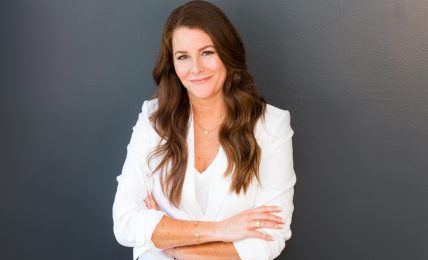
Meet Joel Wetterstein | Independent Filmmaker and Producer
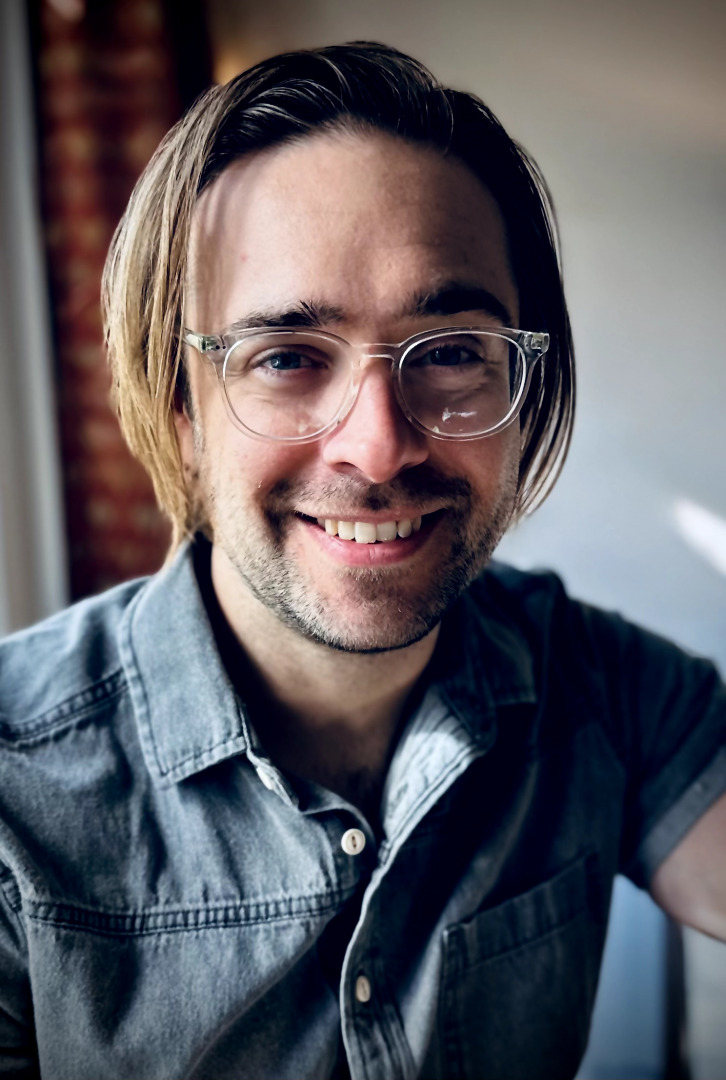


We had the good fortune of connecting with Joel Wetterstein and we’ve shared our conversation below.
Hi Joel, can you walk us through the thought-process of starting your business?
I started as an actor, but I was never great at auditioning. At some point I realized I was spending more energy trying to be chosen than actually creating, so I began making my own films.
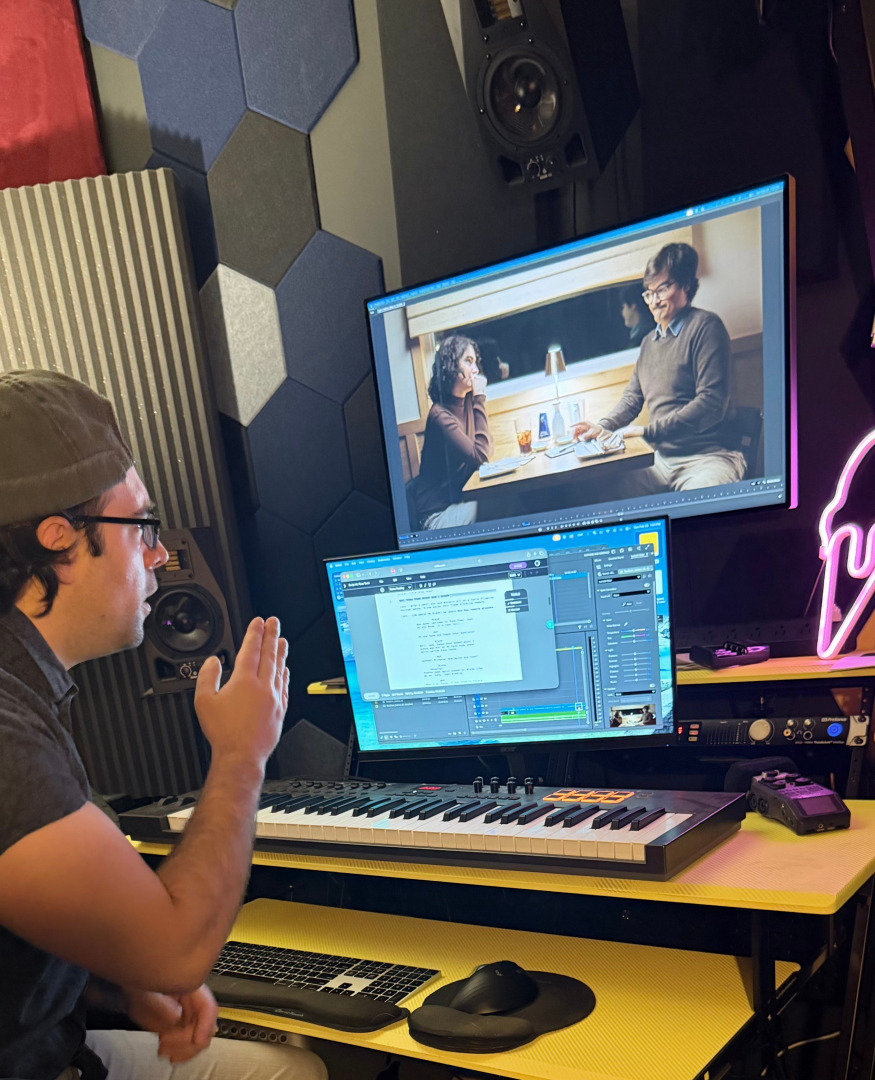
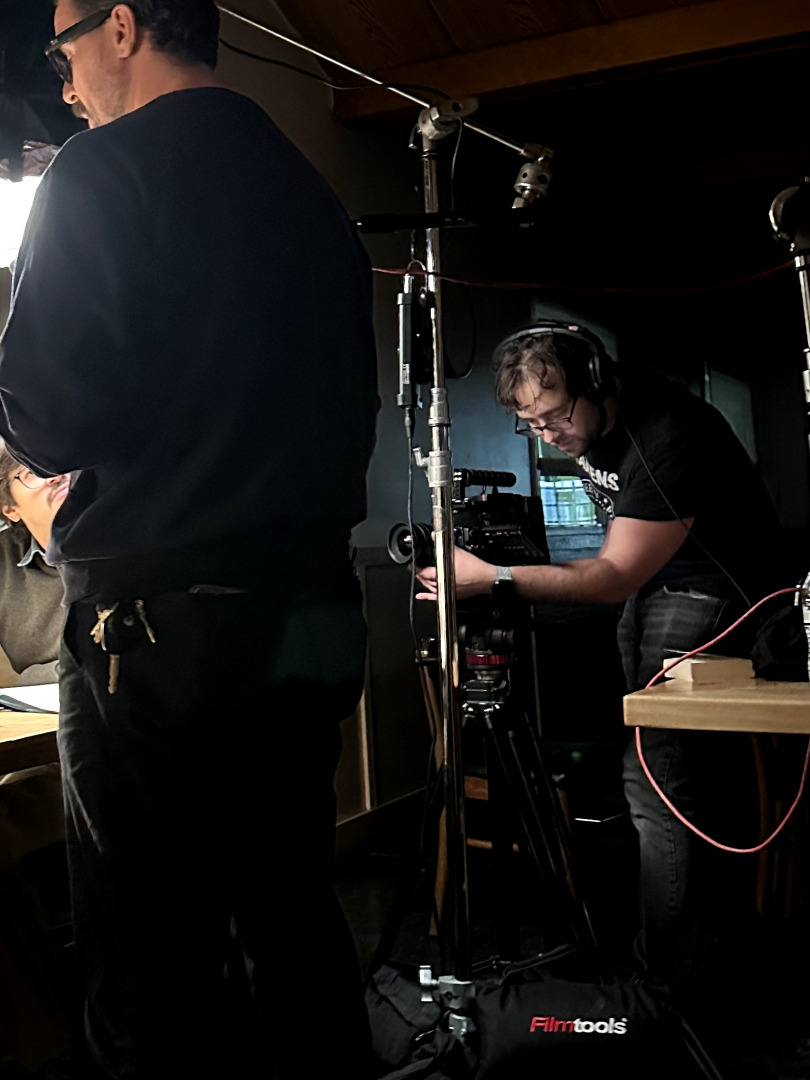
That decision pushed me into technical roles out of necessity. I started in sound because of my background in music, then expanded into editing, camera, and lighting. Over time I produced seven short films that screened at festivals and won awards. The experience gave me a clear understanding of how every department fits together and a deep respect for the work that goes into each one.
Eventually I became more interested in building a system than chasing individual projects. I wanted a way to move from concept to finished work with intention and consistency, not momentum alone. Starting my own production company was about creating that structure.
My current feature, DreamScapers, reflects that mindset. It is designed around contained locations, performance-driven tension, and practical execution. I am less interested in volume than in precision.
Can you open up a bit about your work and career? We’re big fans and we’d love for our community to learn more about your work.
My work tends to focus on psychological tension within ordinary environments. I’ve learned to treat constraints as design tools rather than obstacles. Working independently has pushed me to think creatively about what’s possible within those limits. I often use the boundaries of my environment, along with emerging tools, to heighten emotional tone rather than hide them.
What sets me apart is that I approach filmmaking through the lens of all the roles I’ve taken on. I didn’t plan to become multidisciplinary, but necessity pushed me there. Having worked across sound, editing, performance, and production, I’m always thinking about how small choices ripple forward into the final experience. I’m less concerned with spectacle and more interested in what lingers. For me, the details carry the weight.
The path here wasn’t effortless. A cancer diagnosis in mid-2024 shifted my relationship to fear and urgency. It clarified that I didn’t want to create reactively or from anxiety. I wanted to build work that felt deliberate and meaningful.
That realization is at the core of my current feature, DreamScapers, a psychological horror project that examines manipulation and perception through a contained, performance-driven lens. My hope is that the work encourages people to look more closely at the systems and narratives shaping their lives.
Any places to eat or things to do that you can share with our readers? If they have a friend visiting town, what are some spots they could take them to?
In my opinion, Los Angeles is best experienced through neighborhoods.
I’d use the opportunity to visit my favorite restaurants. Salsa & Beer is non-negotiable. It’s loud, fun, and always feels like a celebration. I’d take them to Restaurant Tatsuki, one of the first sushi bars in the Valley. It’s low-key and traditional, which makes it feel like a hidden pocket of history.
Midweek, I’d try to catch an improv or sketch show at UCB Theatre or a jazz set at The Baked Potato. Places like that remind you how much talent is quietly circulating through this city.
We’d spend an afternoon wandering Silver Lake, just people-watching and drinking coffee and I’d definitely carve out time for Koreatown, maybe even a reset at Wi Spa if they’re up for it.
Toward the end of the week, I’d take them out to Point Dume or one of the big rock beaches in Malibu. Standing on those cliffs or walking the shoreline makes you feel like you’re in a movie.
For me, what makes LA great is the contrast. One night you’re eating incredible sushi in the Valley, the next you’re listening to jazz in a tiny club, then driving through the hills before watching the sun drop into the ocean from a cliff in Malibu.
Who else deserves some credit and recognition?
I owe a lot to the people I’ve created alongside over the years. I genuinely love learning from others, and most of what I know has come from working closely with collaborators who are strong in areas where I’m still growing.
My wife, Kristen, has been central to that. Beyond being supportive, she has taken on creative roles within my projects and helped shape them in ways that make the work stronger. Independent filmmaking can feel solitary from the outside, but it rarely is.
Early in my career, I worked closely with a director who was, in many ways, a mentor even though we were creative equals in different departments. That partnership taught me what directing actually requires and how every department interlocks. Even when collaborations evolve or change, the lessons remain.
I also value the feedback from audiences and peers who have taken the time to watch my work and respond thoughtfully. Film is collaborative at every stage, including after it’s finished. Each person who engages with the work contributes to its growth in some way.
Instagram: @frankinthecage
Other: https://vimeo.com/frankinthecage
Image Credits
Image credits belong to myself and my wife Kristen Mogensen.