Meet Kay Adekunle Rufai | Artist, Mental Health Researcher & Joy Enthusiast
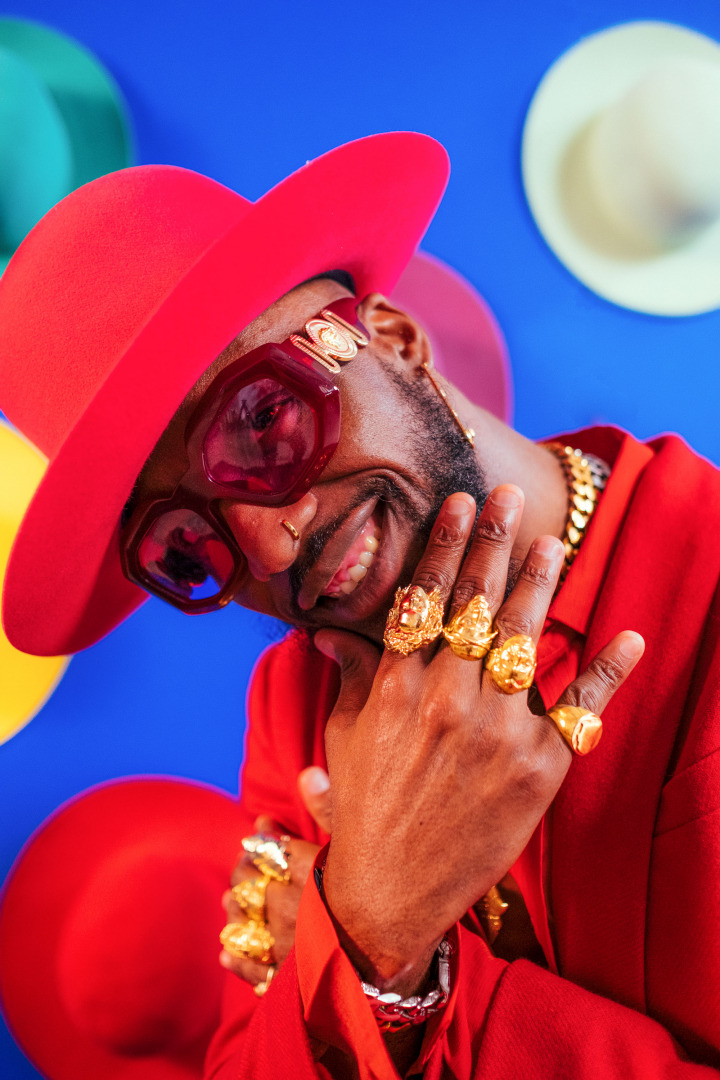


We had the good fortune of connecting with Kay Adekunle Rufai and we’ve shared our conversation below.
Hi Kay Adekunle, can you walk us through the thought-process of starting your business?
For me, it wasn’t a clean, strategic decision like, “I’m going to start a business.” It came from something much deeper — a mix of lived experience, frustration, and a real sense of responsibility.
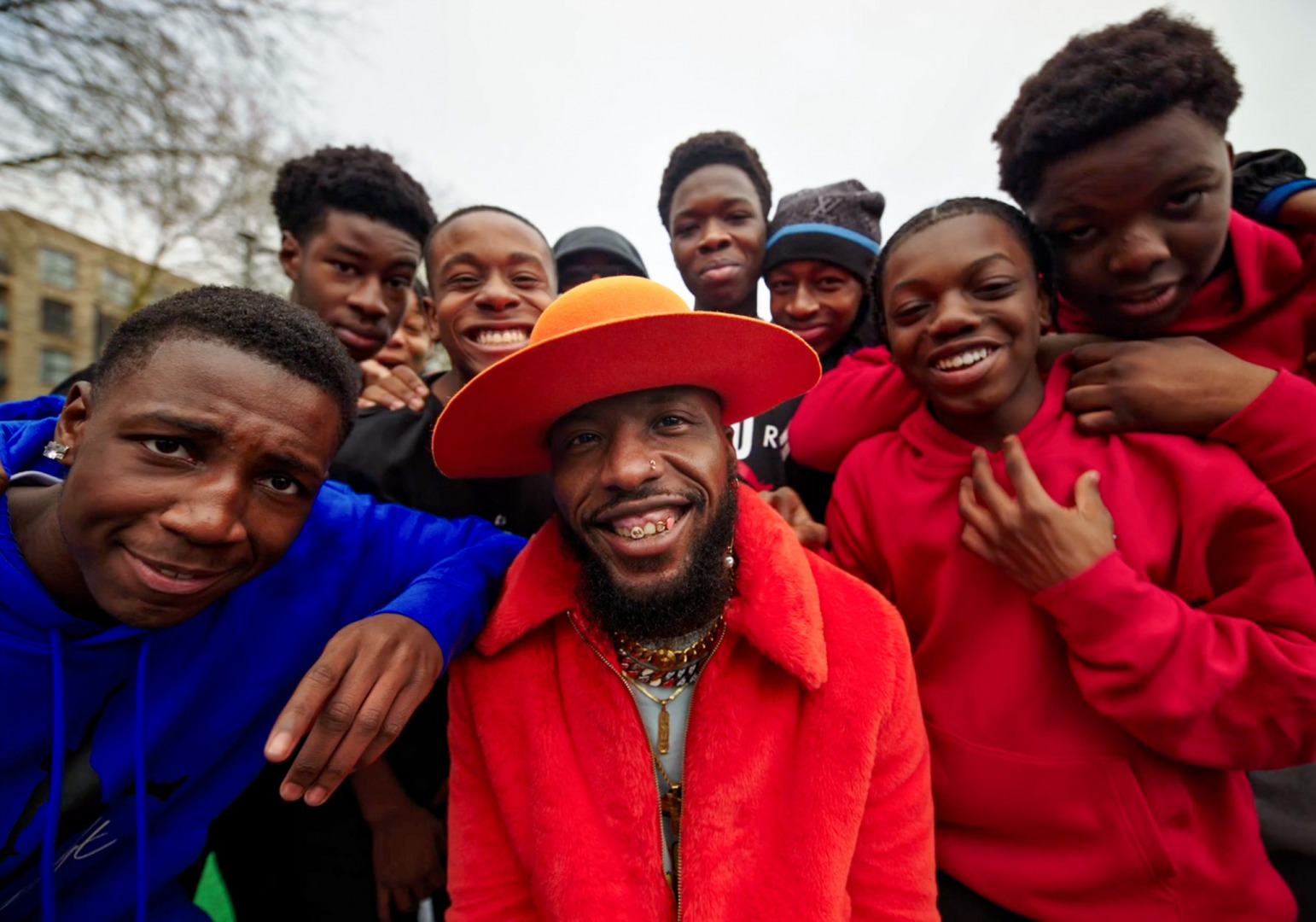
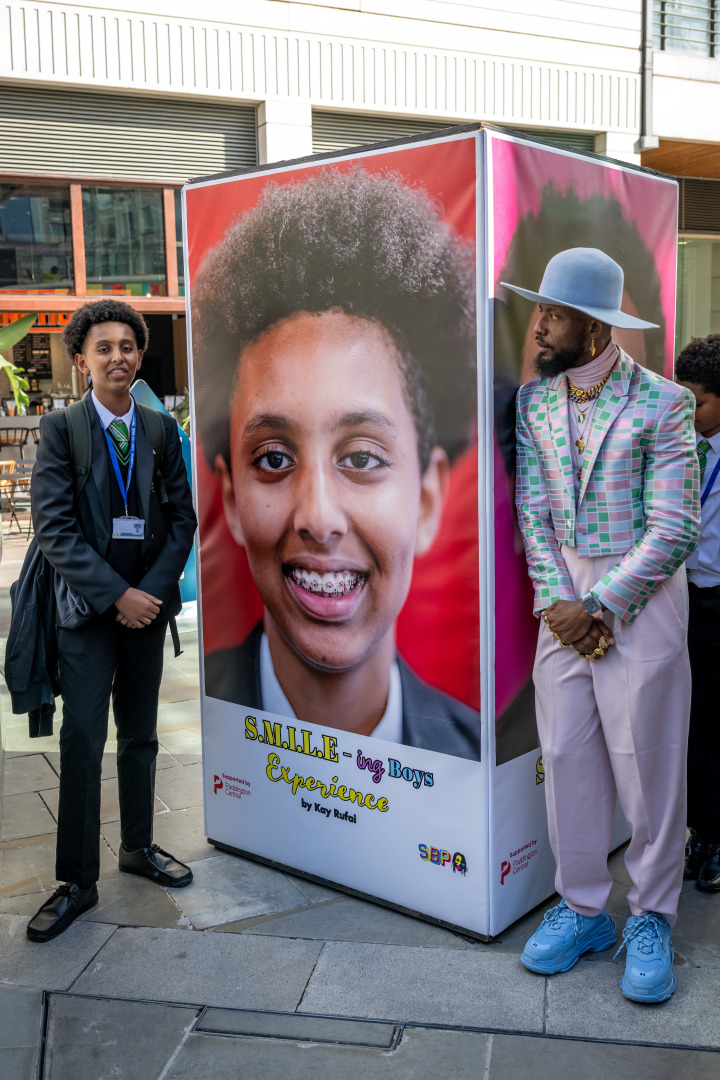
As an artist working with young people, especially Black boys, I kept seeing the same patterns. I was in schools, in communities, in conversations — and there was this gap between how these boys were being seen and who they actually were. The narrative around them felt so limited, and in many cases, damaging.
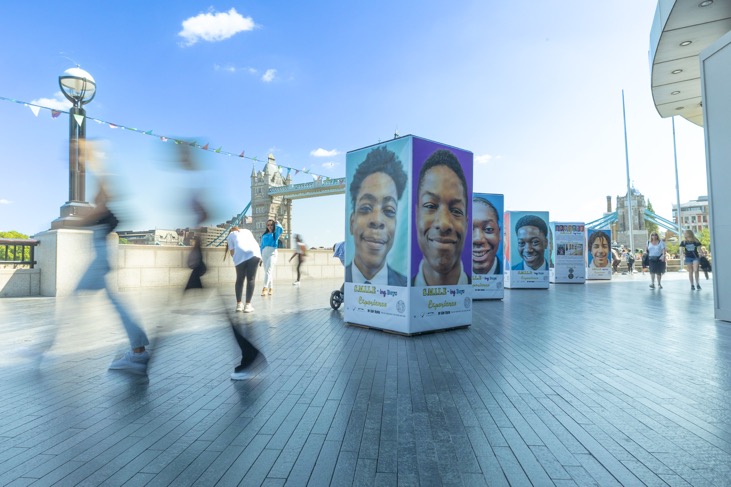
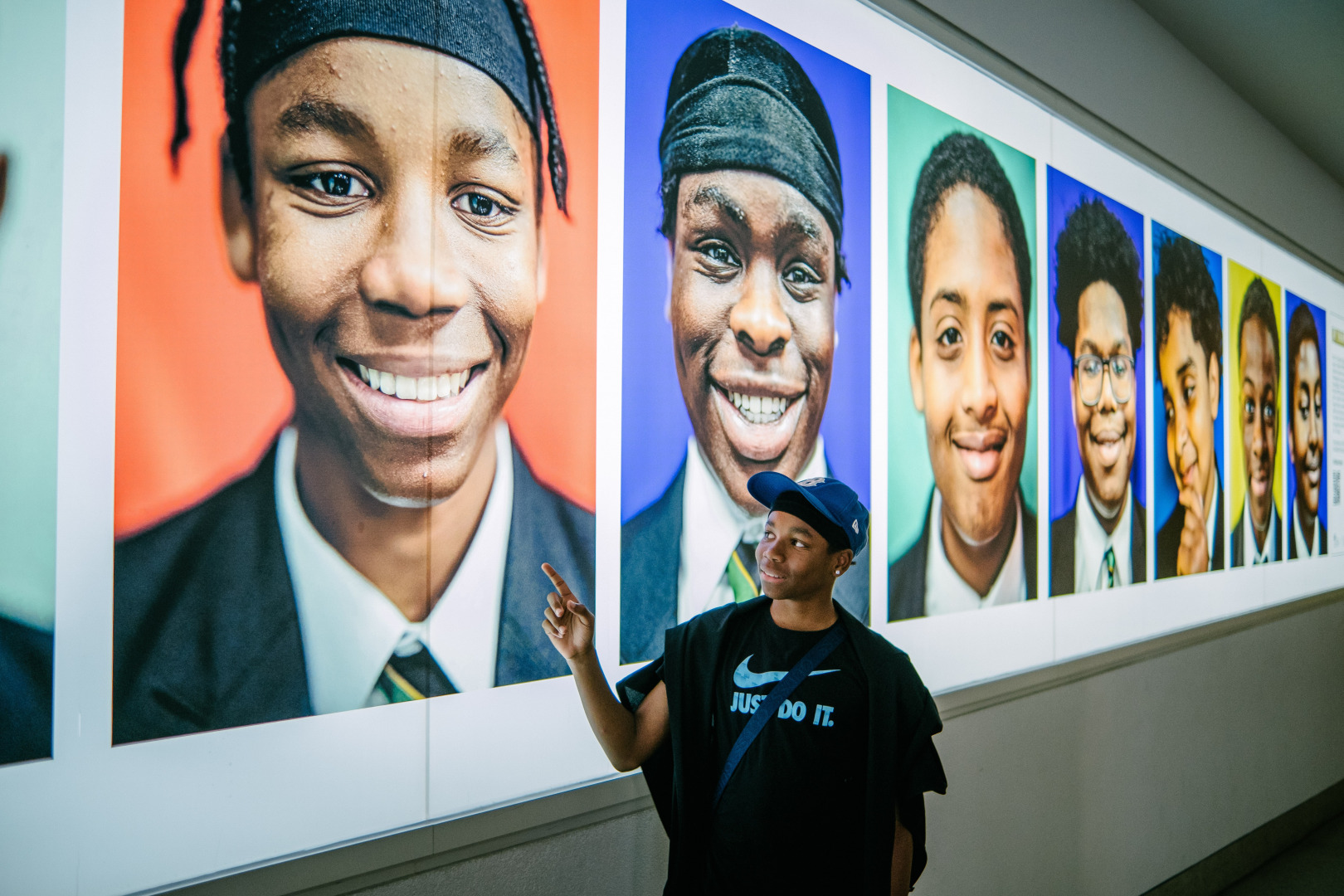
At the same time, I was doing my own creative work — portraiture, storytelling — and I realised that the camera could do something powerful. It could shift perception. It could create space for boys to be seen differently, and more importantly, to see themselves differently.
So S.M.I.L.E-ing Boys didn’t start as a “business idea” — it started as a response.
I didn’t see anything out there that combined emotional wellbeing, storytelling, and creativity in a way that really spoke to their lived realities. There were interventions, there were policies, but there wasn’t enough that centred joy, identity, and humanity in a way that felt authentic.
And I think that’s the key thing — I wasn’t trying to build something for the sake of building a company. I was trying to build something that I felt was missing.
Over time, that turned into something more structured. I began to understand that if I wanted this work to reach more young people, influence systems, and actually sustain itself, it needed to become an organisation — something that could hold partnerships, funding, scale, and impact.
So the “business” came after the purpose.
And even now, I still don’t really see it as a business in the traditional sense. It’s a vehicle. A platform. A way of creating change at scale — through art, through storytelling, and through young people themselves. That’s why we are a non-profit now
Can you open up a bit about your work and career? We’re big fans and we’d love for our community to learn more about your work.
My art has always been about people — but more specifically, about seeing people fully.
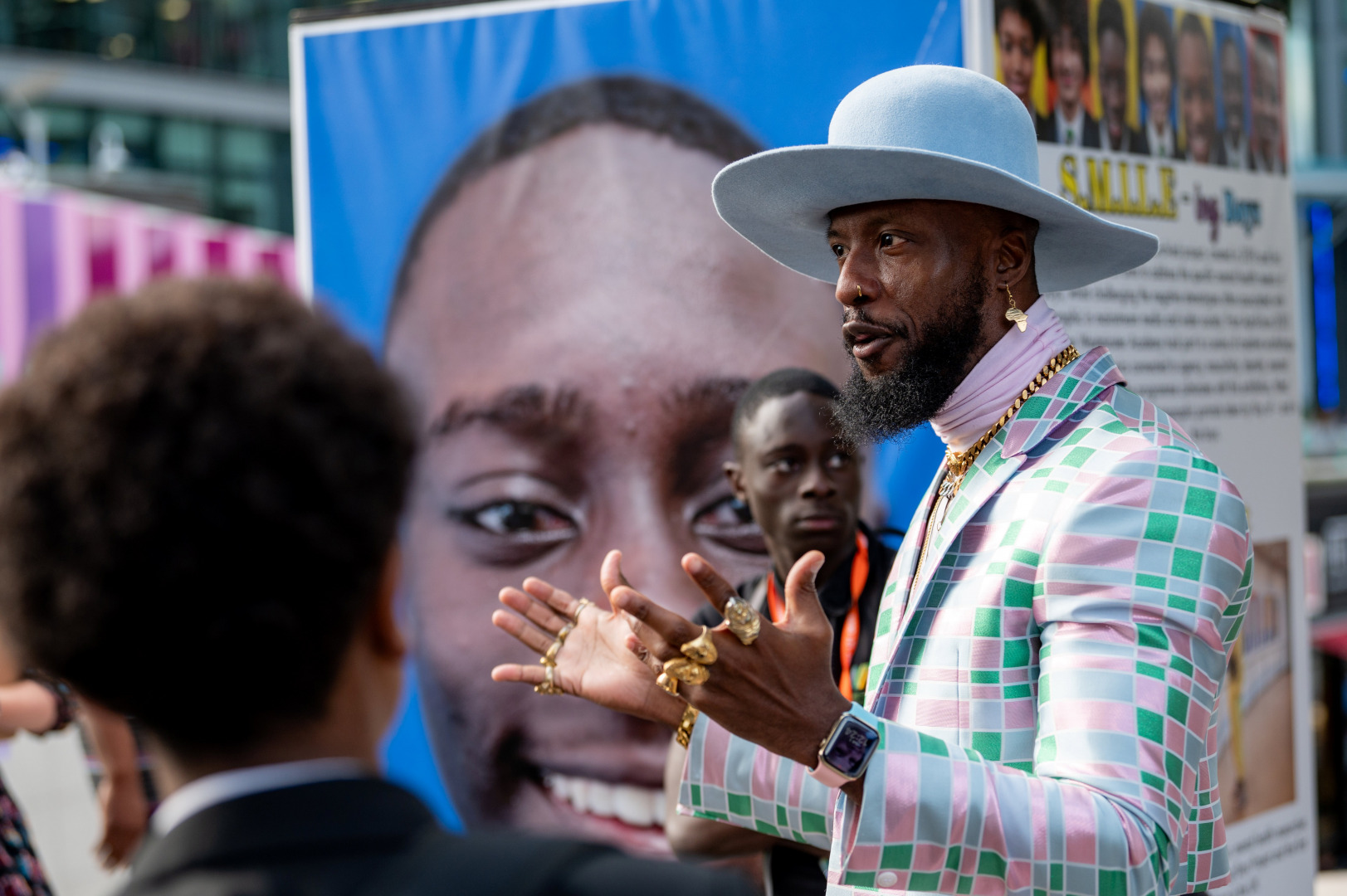
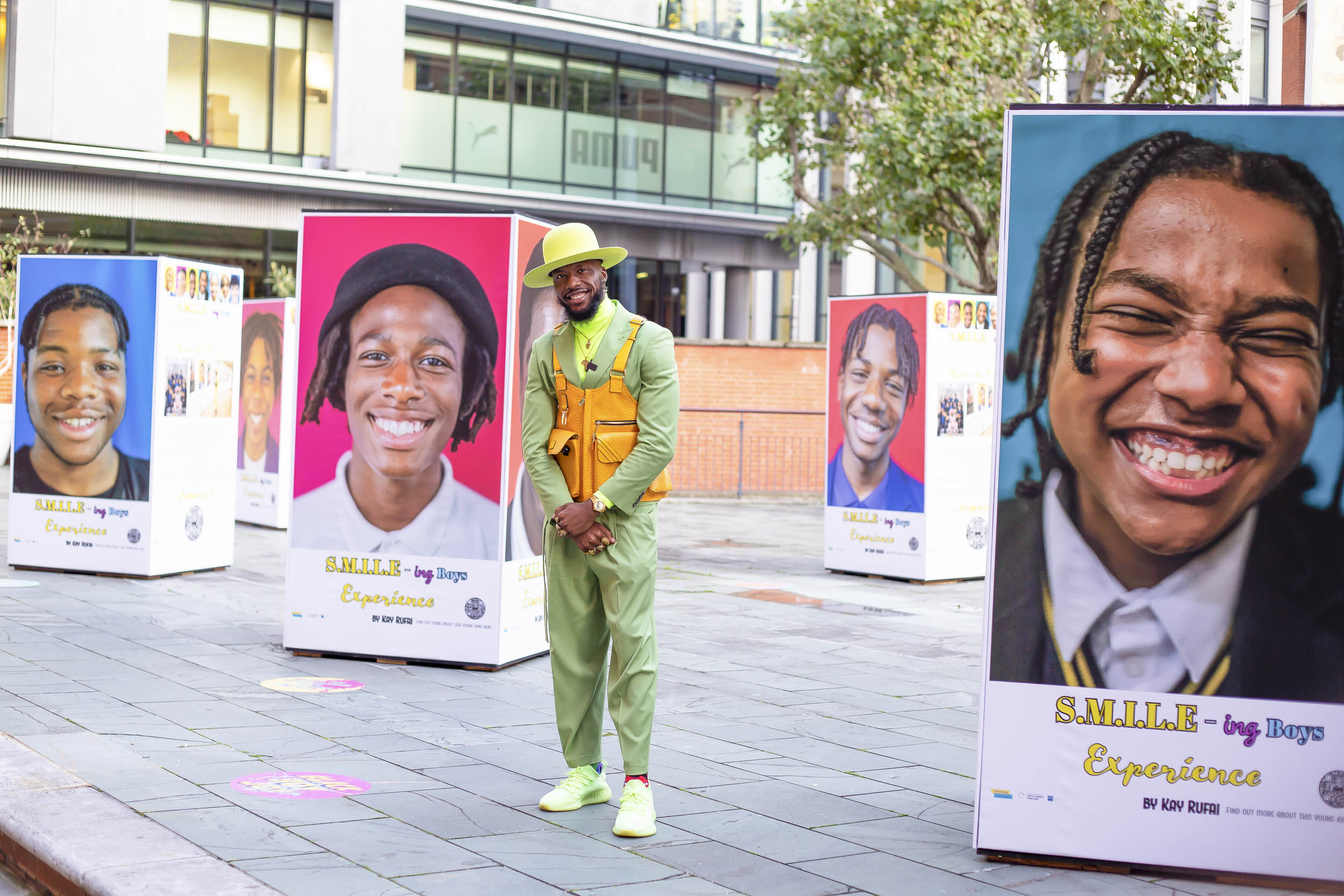
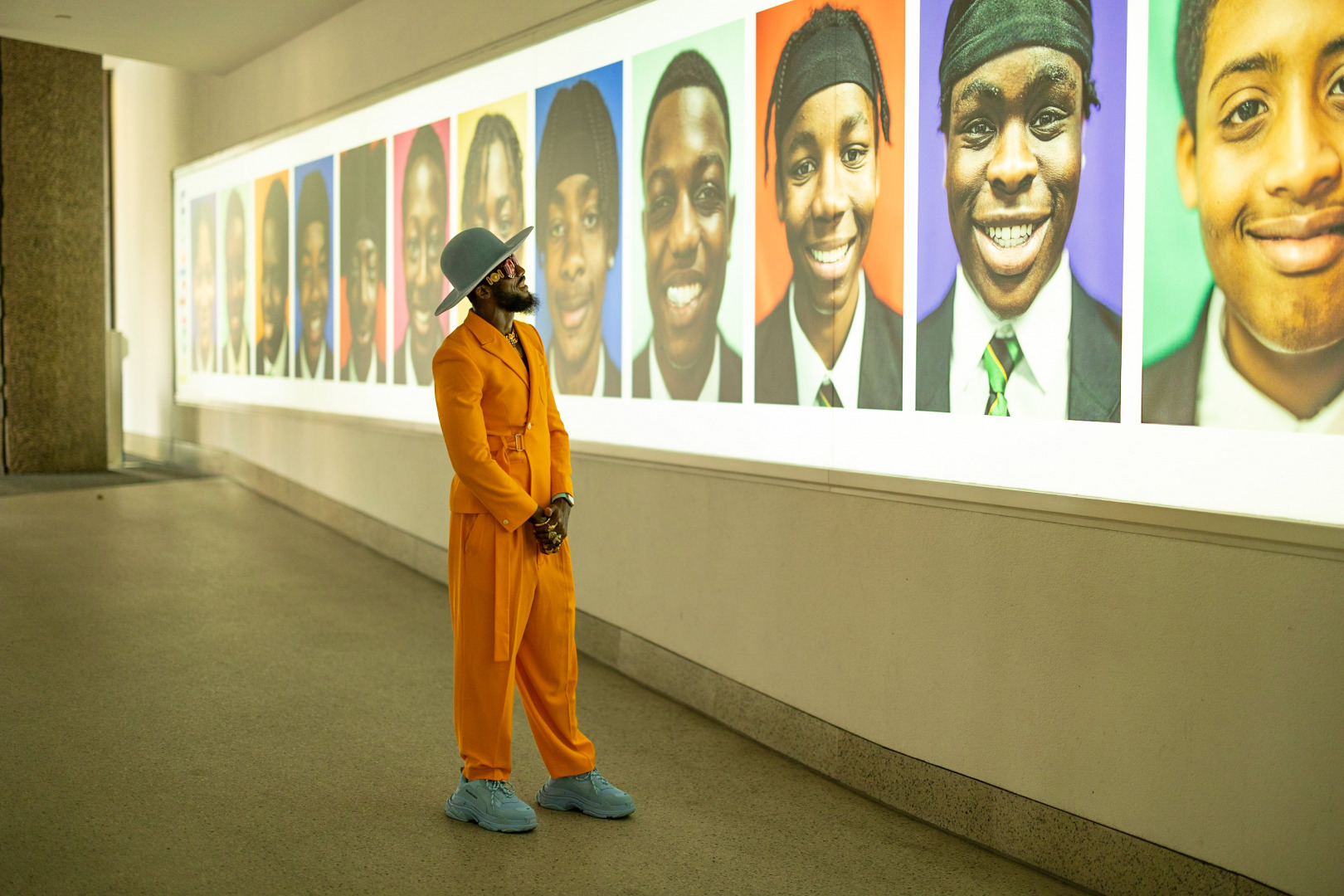
At the centre of my work is portraiture and storytelling, but it goes beyond just taking images. I create spaces where young people, especially Black boys, can explore who they are, express what they feel, and be seen in ways that challenge the narratives placed on them. What sets my work apart is that it sits at the intersection of artivism, art, wellbeing, and research. It’s not just about creating something visually powerful — it’s about creating something that can actually shift how people see themselves and how the world sees them
But getting here wasn’t straightforward at all.
I dropped out of university to take a risk on my art, and for a long time, it felt like I’d made the wrong decision. There were moments where I genuinely felt like a failure. At one point, I was 31, sleeping on my mum’s couch, with no income, no clear pathway — just a big vision and a lot of determination. That period was humbling, but it was also clarifying. It stripped everything back and forced me to really ask myself: what am I actually here to do?
From that place, I committed fully.
I spent a whole year just ideating, researching, and applying for funding — trying to understand happiness, purpose, and wellbeing on a deeper level. That led me to travel across the top 5 happiest countries in the world, studying what actually contributes to people feeling fulfilled, connected, and mentally well. That research became the foundation of the work I do now.
Before that, I had already taken a big leap — quitting my job and going to Ethiopia, where I spent six weeks with indigenous tribes. That experience changed my life. It challenged everything I thought I knew about identity, masculinity, community, and happiness. It led to my first major exhibition in London and a published book that captured those learnings and transformations. That was the first time I realised my art could carry something deeper — something with purpose.
From there, I kept taking risks.
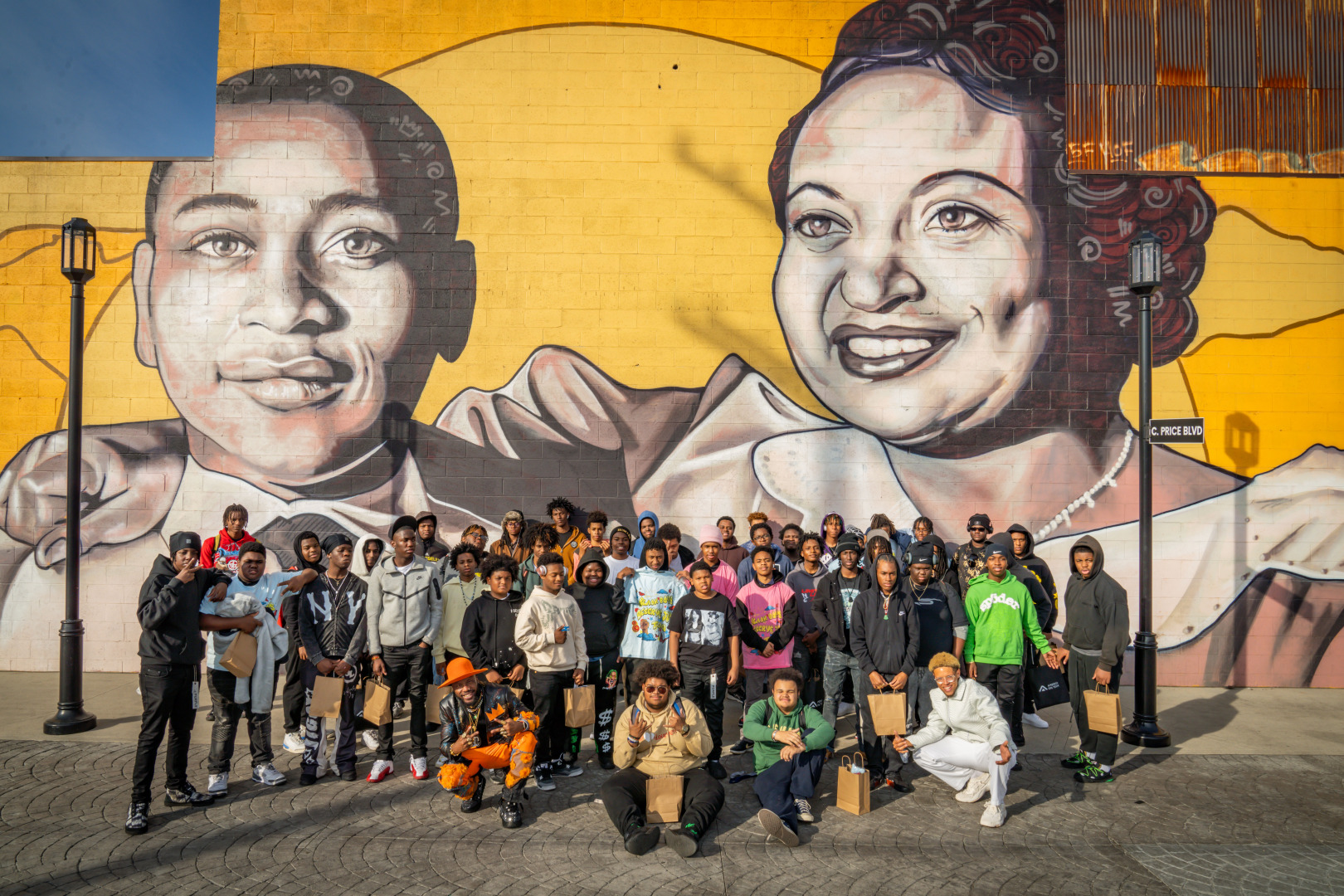
I created S.M.I.L.E-ing Boys in London 8 years ago, building it from the ground up, working directly in schools and communities. Four years ago, I brought the work to Los Angeles, which expanded everything — the scale, the ambition, the impact. Now we’re growing into the favelas in Brazil, and created the S.M.I.L.E-ing Girls programme, which feels like a really important evolution of the work.
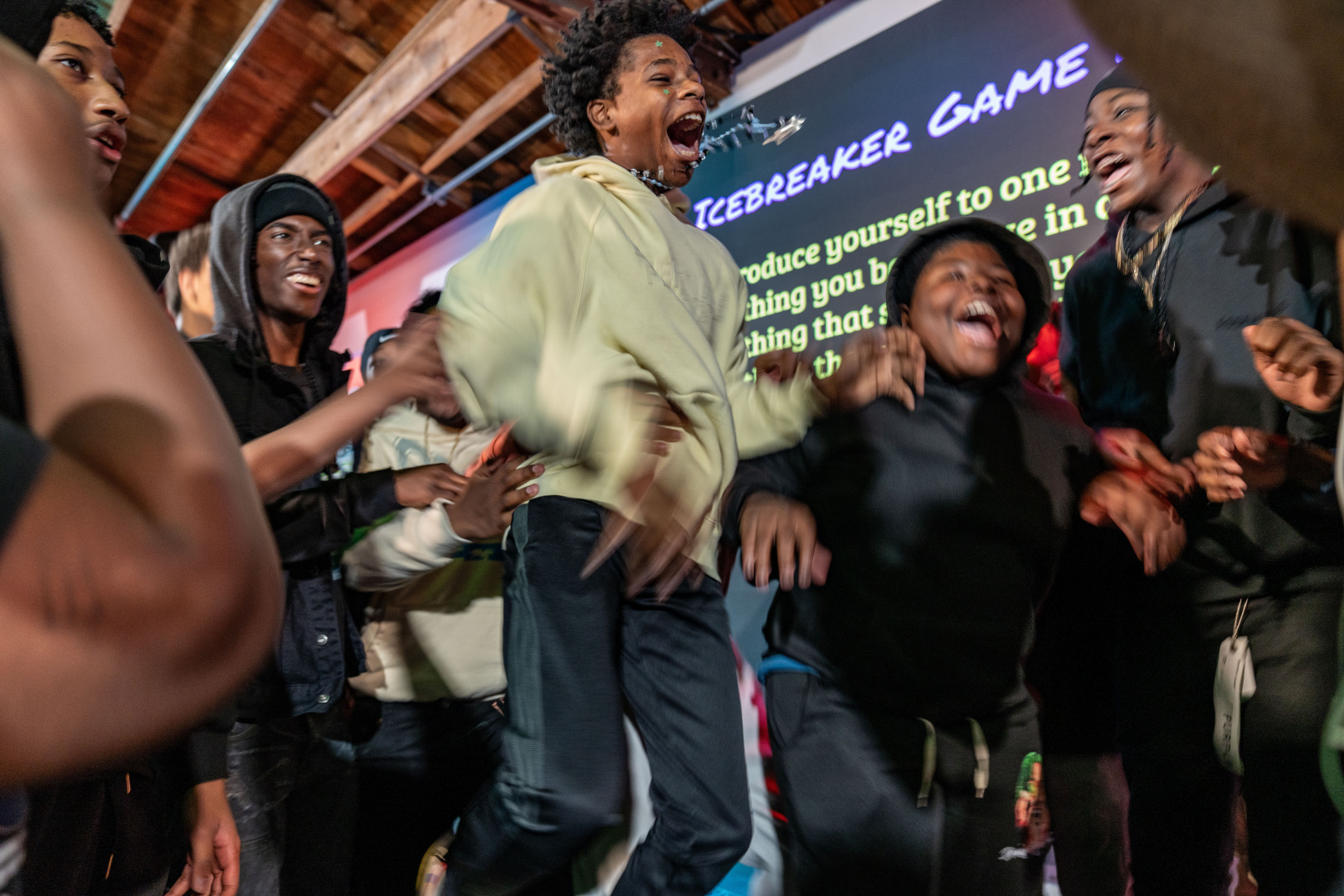
What I’m most proud of isn’t just the exhibitions or the recognition — it’s the moments where a young person shifts how they see themselves. When a boy who’s been labelled or misunderstood starts to express himself differently, or finds a sense of belonging — that’s the real work.
It definitely hasn’t been easy. There’s been rejection, uncertainty, financial instability, and a lot of moments where things didn’t go to plan. But I think what’s carried me through is a strong sense of purpose. When you’re clear on why you’re doing something, it becomes harder to walk away from it — even when it’s difficult.
The biggest lesson I’ve learned is that growth requires risk. And not just comfortable risk — real risk. The kind that stretches you, unsettles you, and forces you to evolve.
I also learned that failure isn’t the opposite of success — it’s part of it. Every setback I’ve had has shaped the work in some way.
What I want people to know about me and my work is that it’s rooted in care. It’s rooted in truth. And it’s rooted in a belief that young people — especially those who are often misunderstood — deserve to be seen in their full humanity.
This isn’t just art for me. It’s a way of shifting narratives, building connections, and creating spaces where people can feel seen, heard, and valued.
Let’s say your best friend was visiting the area and you wanted to show them the best time ever. Where would you take them? Give us a little itinerary – say it was a week long trip, where would you eat, drink, visit, hang out, etc.
If my best friend was coming to Los Angeles, I’d want them to feel the full spectrum of the city — not just the polished version, but the soul of it too. LA can be surface-level if you let it, but if you move with intention, it’s powerful.
Day 1 – Ease in, Downtown energy
We’d start in DTLA at Bottega Louie — it’s a bit of a staple but for good reason. Great food, great energy, and it sets the tone. Then we’d walk around, maybe hit some galleries or just take in the architecture. Evening-wise, something low-key — rooftop views, good conversation.
Day 2 – Slow mornings & Larchmont flow
Breakfast at Larchmont Bungalow — proper LA brunch vibes. From there, just walking the strip, coffee, bookstores, letting the day unfold naturally. LA is best when you don’t over-plan every moment.
Day 3 – Culture & community
We’re heading to The Gathering Spot. That space is important — Black-owned, intentional, and full of energy. Whether it’s a panel, a creative activation, or just being in the space, you feel connected to something bigger. That’s the kind of LA I want people to experience.
Day 4 – Food & South LA roots
Dinner at Fixins Soul Kitchen. Proper soul food, but also just a reminder of the cultural depth of the city. After that, maybe linking with people, music, conversation — those organic nights always end up being the best ones.
Day 5 – Nature reset
We’re getting out early for a hike — somewhere like Runyon Canyon Park or Griffith Park. LA’s nature is underrated. Being up there, seeing the whole city, it gives you perspective. It’s a reset.
Day 6 – Creative inspiration
Gallery hopping, maybe somewhere like The Broad or smaller independent spaces. I’d also try to tap into whatever’s happening that week — exhibitions, talks, community events. LA is all about timing.
Day 7 – Reflection & sunset
We’d end the week somewhere calm — beach, hills, or a quiet viewpoint. Just reflecting on the week, conversations, ideas. LA has a way of stretching you without you even realising it.
Who else deserves some credit and recognition?
There are a few things and people I genuinely don’t think I’d be here without.
Firstly, I have to give a deep shoutout to bell hooks. Her work really shifted something in me at a time when I needed it most. Books like The Will to Change: Men, Masculinity, and Love, We Real Cool: Black Men and Masculinity, and All About Love: New Visions weren’t just things I read — they were things I felt. They gave language to experiences I hadn’t fully processed and challenged me to rethink what masculinity, love, and emotional expression really mean.
“The Will to Change” in particular was transformative. It made me confront the ways men are socialised to suppress emotion, and it helped me understand that vulnerability isn’t weakness — it’s actually where real strength and connection live. That thinking is embedded deeply in everything I do now with S.M.I.L.E-ing Boys.
“We Real Cool” helped me better understand the structural and cultural pressures placed on Black men — and how those pressures shape identity, behaviour, and perception. It sharpened my awareness and made the work more intentional.
And “All About Love” grounded everything in something simple but powerful — that love is a practice. Not just something we feel, but something we actively choose and build. That philosophy has shaped not just my work, but how I move through life.
I also have to give a lot of credit to my time in Los Angeles. Being here shifted my perspective massively. It stretched my thinking, expanded what felt possible, and put me in spaces that challenged me to grow both creatively and personally. LA has been a real catalyst.
I want to acknowledge Kaylyn Wright — someone who joined the mission and has continued to support both my personal and professional growth. Having someone who understands the vision, challenges me, and grows alongside the work has been incredibly important.
I also want to give a real shoutout to Yolo Akili and the work of BEAM (Black Emotional and Mental Health Collective). Beyond the inspiration, Yolo has shown genuine support for my work and for the growth of S.M.I.L.E-ing Boys as an organisation. That kind of encouragement — from someone who has built something so impactful in this space — has meant a lot. It’s affirming, but it also pushes me to think bigger and stay rooted in care, community, and intention.
And then, most importantly, my family — especially my mum and my sisters. Their encouragement, belief, and grounding have been constant. Even when things felt uncertain or overwhelming, they’ve always been a reminder of who I am and why I do what I do.
So yeah — this journey definitely hasn’t been solo. It’s been shaped by ideas, by environment, and by people who have poured into me in ways I’ll always carry forward.
Website: https://www.universoulartist.com
Instagram: @universoulartist
Linkedin: Kayrufai
Twitter: universoulartist