Meet Maria Stola Aldaz | Co-Director


We had the good fortune of connecting with Maria Stola Aldaz and we’ve shared our conversation below.
Hi Maria, what is the most important factor behind your success?
The most important factor behind the success of The Pop-Up Project has been our commitment to creating a cultural platform rather than simply staging exhibitions.
From the beginning, Julia Perez and I believed that artists need more than walls to hang their work. They need context, visibility, and dialogue. Our role as curators and organizers is to build environments where artists can showcase their work while connecting with collectors, curators, writers, and audiences from around the world.
Because the project is itinerant, each edition becomes a cultural meeting point that extends beyond the exhibition itself. We integrate programming that reflects the evolving conversations shaping the art world today, from digital innovation to the political and social dynamics that influence artistic practice.
In our current Lisbon edition, Crossroads, we are hosting several panels that reflect exactly that spirit of exchange. On Monday, March 23, we begin with “The Future of Art & On-Chain Ownership,” curated by The Block Lisbon, a conversation exploring how blockchain technology is reshaping authorship, provenance, and value in contemporary art. Moderated by Inês Bragança Gaspar, with contributions from Marzia Braggion and Tábea Fuehrer, the panel examines how new digital infrastructures are transforming the relationship between artists and collectors.
Later that same day, we host “The Transatlantic Citizen: Maintaining Civic Connection Across Borders,” curated by Democrats Abroad Lisbon, which reflects on the role of cultural communities and civic engagement for Americans living internationally. This discussion highlights how artists, cultural organizers, and global citizens remain connected to broader political conversations while living abroad.
On Wednesday, March 25, we conclude our programming with “The Human vs. The Machine: Curation, Creativity, and the AI Shift,” powered by WAF. Moderated by curator and cultural strategist Astrid Sauer, the panel explores how artists and institutions are navigating the growing presence of artificial intelligence in creative practice. Participants include Delfina Sena from Artpool and the 100 Collectors initiative, art historian and former MNAC director Emília Ferreira, and contemporary artists Le Brimet and Vera Fonseka, who bring the perspective of practitioners working at the intersection of technology and artistic expression.
These conversations are essential to the identity of The Pop-Up Project. They ensure that the exhibition is not only a place to encounter artworks, but also a space for critical reflection about the future of culture.
Ultimately, the strength of our project lies in the community it creates. Each edition brings together artists, thinkers, collectors, and audiences in a shared dialogue about creativity and the world we live in. That combination of art, conversation, and global exchange is what continues to drive the success and relevance of the project.
Can you give our readers an introduction to your business? Maybe you can share a bit about what you do and what sets you apart from others?
The Pop-Up Project was born from a simple observation: the traditional white cube gallery model, for all its historical importance, has also become predictable. The same walls. The same circuits. The same small ecosystem of gatekeepers deciding what gets seen and what doesn’t.
Julia Perez and I wanted to create something that felt more alive, more porous, more connected to the world artists actually inhabit.
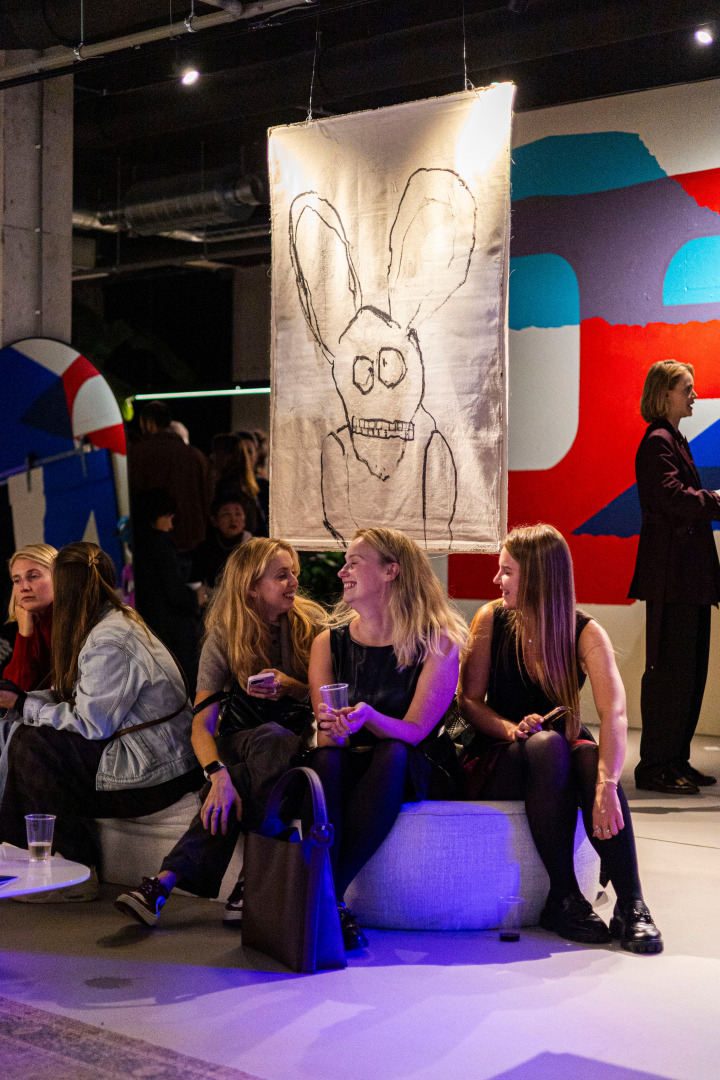
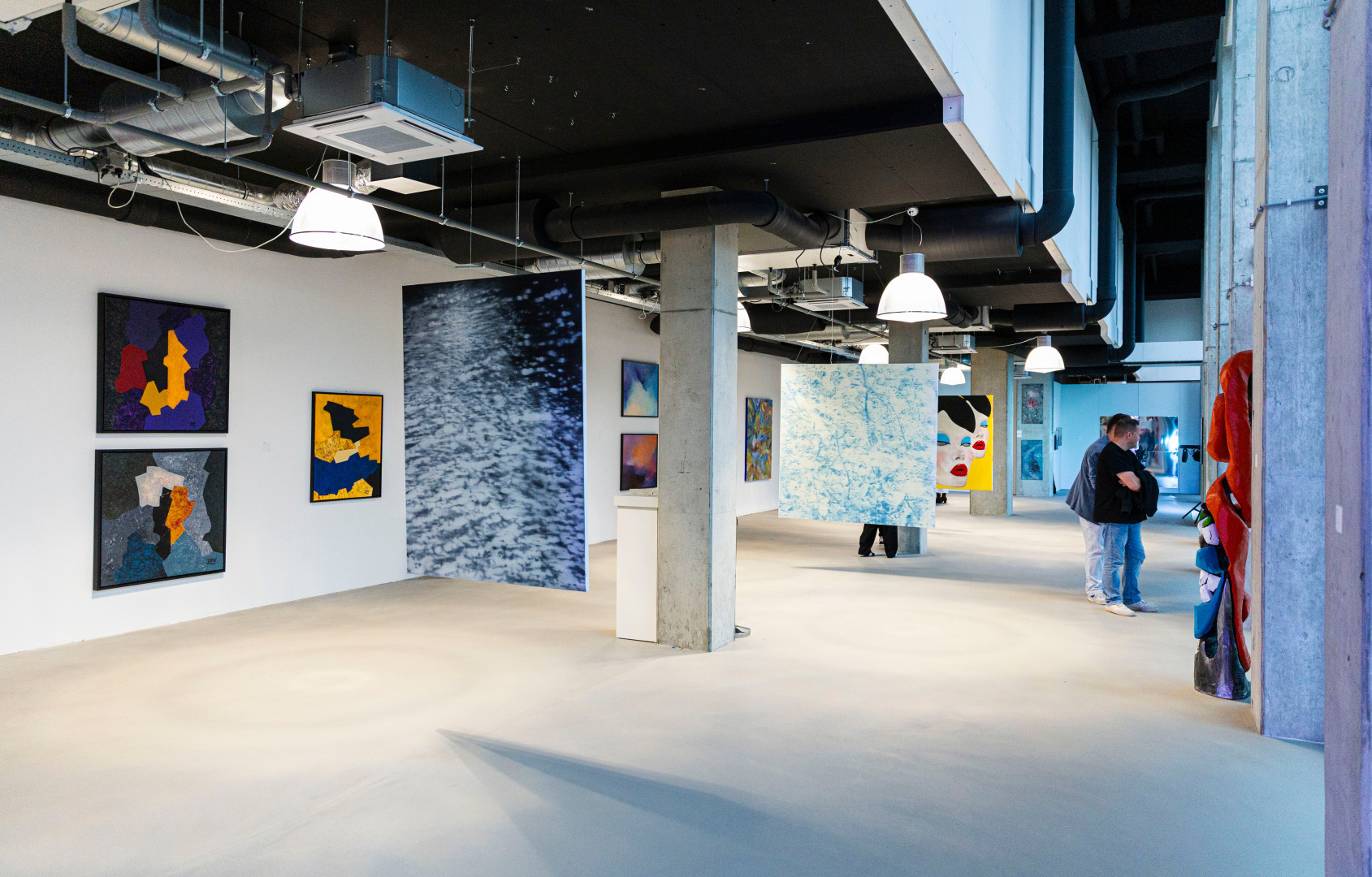
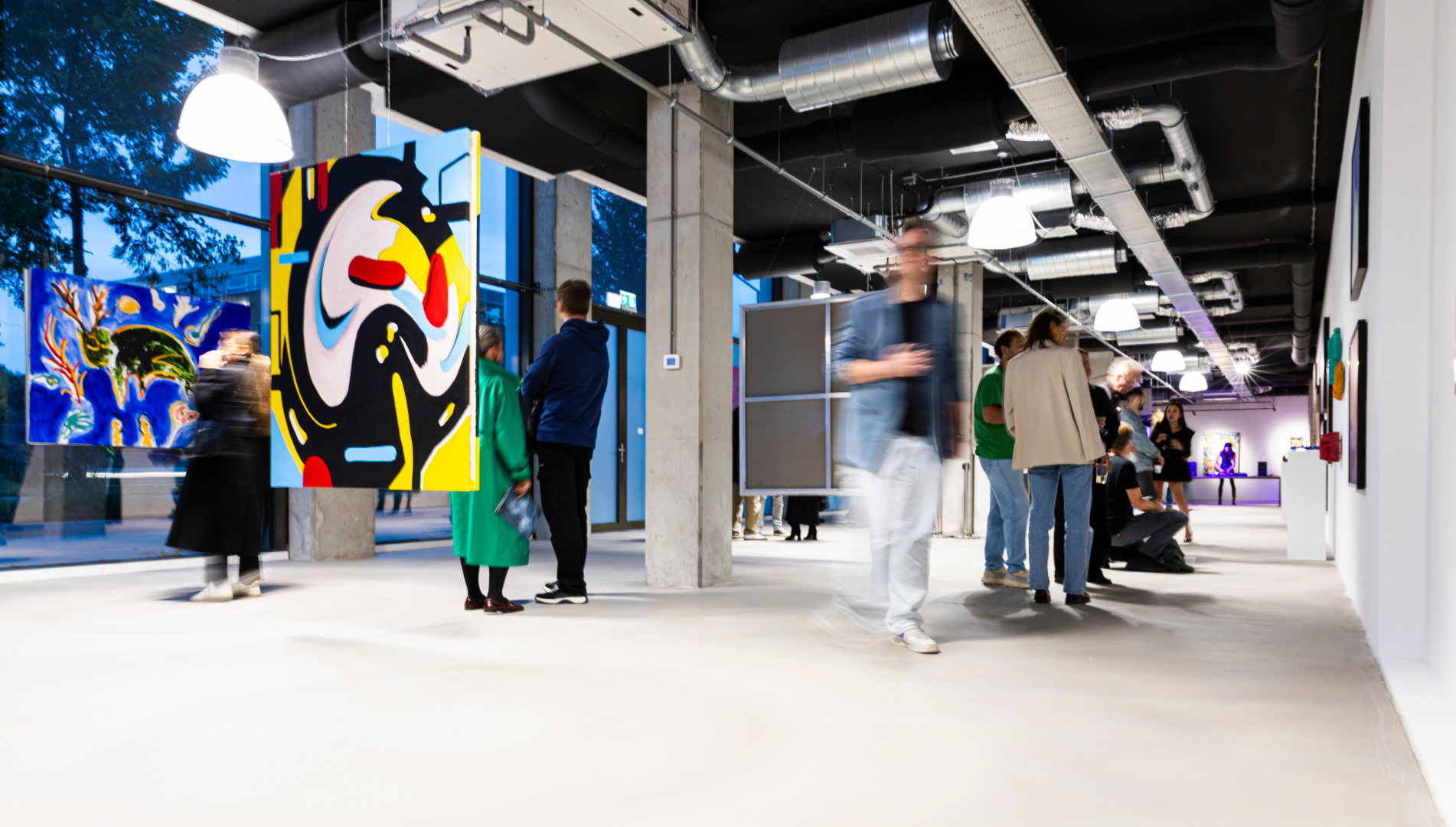
So instead of building a fixed gallery, we built a nomadic platform. Each exhibition takes place in a different architectural context — historic palaces, unexpected cultural spaces, environments that already carry memory and atmosphere. The artwork enters into conversation not just with other works, but with the space, the city, and the people moving through it.
Our current exhibition in Lisbon, Crossroads, at the Palacete Gomes Freire, is a perfect example. Artists from different countries and practices converge there: painters, sculptors, conceptual voices. Artists like Jason Sweet, Katarina Abovic, Caroline Gunston, Vânia Reichartz, and Josh Wald bring radically different sensibilities, and the curation becomes less about imposing a theme and more about allowing a dialogue to emerge between worlds.
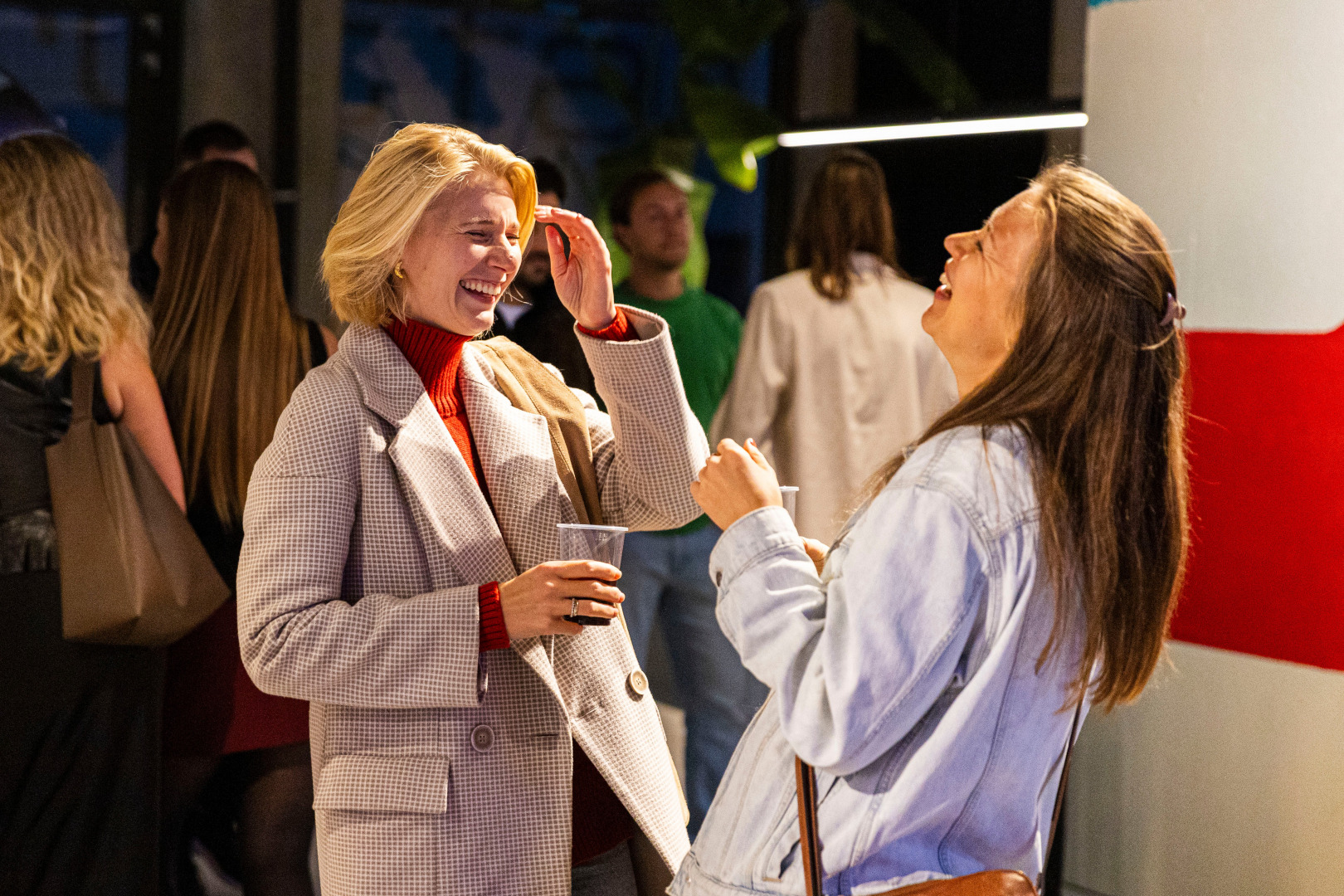
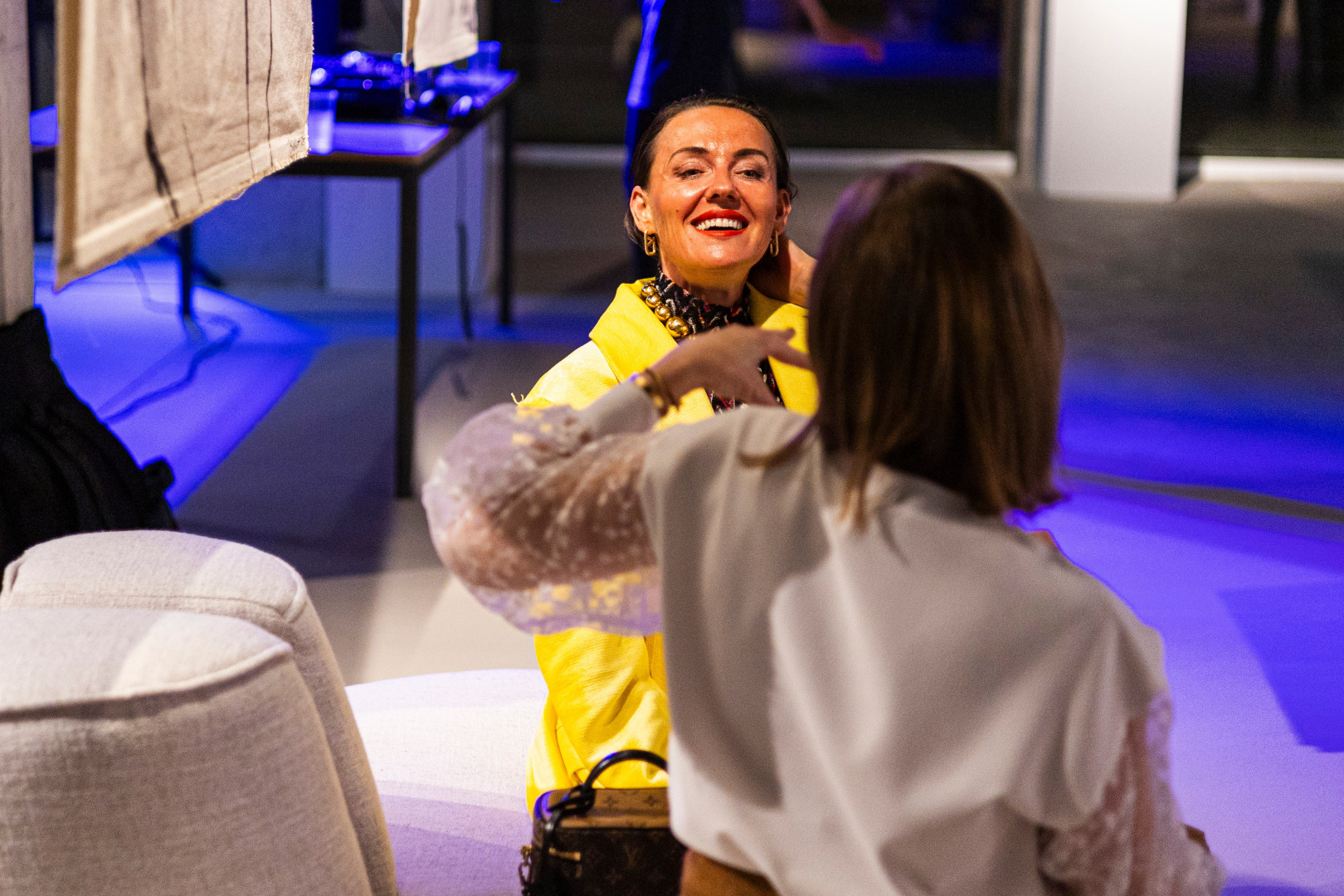
But the exhibition is never just about the objects on the walls. We think of it as a temporary cultural ecosystem. There are panels discussing the future of art and digital ownership, conversations about artificial intelligence and creativity, and reflections on the political landscape shaping the art world today. There are performances, including our opening night on March 21 with Lisbon guitarist Silvestre Fonseca, moments where the space breathes and the exhibition becomes a lived experience rather than a static display.
Was the path easy? Of course not. Anything that tries to challenge an established system encounters friction. The art world can be wonderfully imaginative in its aesthetics but surprisingly conservative in its structures.
What we learned is that resilience in this field comes from building community. Artists want platforms that respect their voices. Audiences want experiences that feel genuine. And when those two things meet, something powerful happens.
What I want people to understand about The Pop-Up Project is that we’re not trying to replace the gallery system. We’re simply opening another door. A space where artists can present their work, connect with global audiences, and participate in conversations about where culture is going next.
In the end, art has always thrived in moments of movement, exchange, and experimentation. Our project simply embraces that spirit and lets it travel.
Let’s say your best friend was visiting the area and you wanted to show them the best time ever. Where would you take them? Give us a little itinerary – say it was a week long trip, where would you eat, drink, visit, hang out, etc.
Lisbon is one of those cities that doesn’t reveal itself all at once. It unfolds slowly, in layers of light, history, and conversation. If a close friend were visiting for a week, I wouldn’t rush them through a checklist of monuments. I’d show them the rhythm of the city, which is really where Lisbon becomes unforgettable.
The week would probably begin in Alfama, early in the morning, when the streets are still quiet and the river light starts reflecting off the tiles of the buildings. We’d wander without a map, stopping at Miradouro de Santa Luzia for the view and maybe a coffee that inevitably turns into a long conversation. Lisbon is a city that encourages lingering.
For art, I’d take them to MAAT and Museu Nacional de Arte Contemporânea (MNAC), not only for the collections but for the dialogue between architecture and the riverfront. And of course I would bring them to Palacete Gomes Freire, where our exhibition Crossroads takes place. The building itself is extraordinary, a nineteenth-century palace that carries this quiet grandeur. Seeing contemporary works by international artists in a space like that creates a conversation between centuries, which I always find fascinating.
Lunch would probably happen in Príncipe Real, somewhere relaxed where the afternoon can stretch comfortably. Lisbon has perfected that balance between elegant and unpretentious. Later we might wander through Chiado, stopping at bookstores and small galleries. The area still holds the intellectual energy of the writers and thinkers who shaped Portuguese culture.
Evenings in Lisbon are where the city really opens up. We’d start with a glass of wine at Prado Wine Bar or somewhere overlooking the rooftops, watching the light fade over the Tagus. Dinner could be at Taberna da Rua das Flores, where the food feels both rooted in tradition and quietly inventive. After that, maybe a slow walk through Bairro Alto, where the streets fill with people talking, laughing, drifting from bar to bar.
At some point during the week I’d insist on a short trip to Belém, for the monastery and, inevitably, the famous custard tarts, which are worth every bit of the reputation. And another day would be dedicated to simply sitting by the river in Cais do Sodré, watching ferries cross the Tagus while the city moves around you.
But the truth is that what makes Lisbon special isn’t just the places. It’s the people and the atmosphere. Artists, musicians, architects, writers, people from all over the world who have chosen to live here because the city still allows room for ideas and experimentation.
Lisbon feels like a crossroads in the best sense of the word. Cultures, histories, and contemporary voices intersect here in a way that feels organic. It’s a city where you can spend a week exploring and still feel like you’ve only begun to understand it. And that, to me, is exactly what makes it such a remarkable place.
Shoutout is all about shouting out others who you feel deserve additional recognition and exposure. Who would you like to shoutout?
If I had to dedicate a shoutout, it would be to the artists themselves, and to the remarkable network of thinkers, curators, and collaborators who make each edition of The Pop-Up Project possible. Julia Perez and I may organize the framework, but the true vitality of the project comes from the people who inhabit it.
Our current exhibition in Lisbon, Crossroads, taking place at the historic Palacete Gomes Freire, is a perfect example of that collective spirit. The exhibition brings together an international group of artists whose practices reflect very different cultural and aesthetic perspectives. Artists such as David Bartlett, Antonio Bettuelli, Elena Lo Giudice, and Bénédicte Genicot, among many others, contribute works that expand the conversation around contemporary art today. The act of curating these voices into a coherent dialogue is always one of the most rewarding aspects of the project.
But what truly gives the exhibition its energy is the community that forms around it. Beyond the artworks, we design each edition as a living cultural environment. This year’s Lisbon program includes panel discussions exploring the evolving landscape of the art world, from digital practices to broader cultural and political conversations shaping creative work today. We also integrate performances and moments of encounter that allow the audience to experience the space in a more dynamic way.
Our opening night on March 21 will feature a performance by the local guitarist Silvestre Fonseca, setting the tone for a week that blends visual art, music, and dialogue.
So my shoutout goes to this entire constellation of people: the artists who trust us with their work, the curators and speakers who enrich the conversations, the local collaborators who help us anchor the project in each city, and the audiences who engage with it. Contemporary art is rarely the work of a single voice. It is a network of curiosity, generosity, and shared imagination, and that collective energy is what makes projects like this possible.
Website: https://popupproject.art/
Instagram: https://www.instagram.com/Shop.ThePopUpProject/