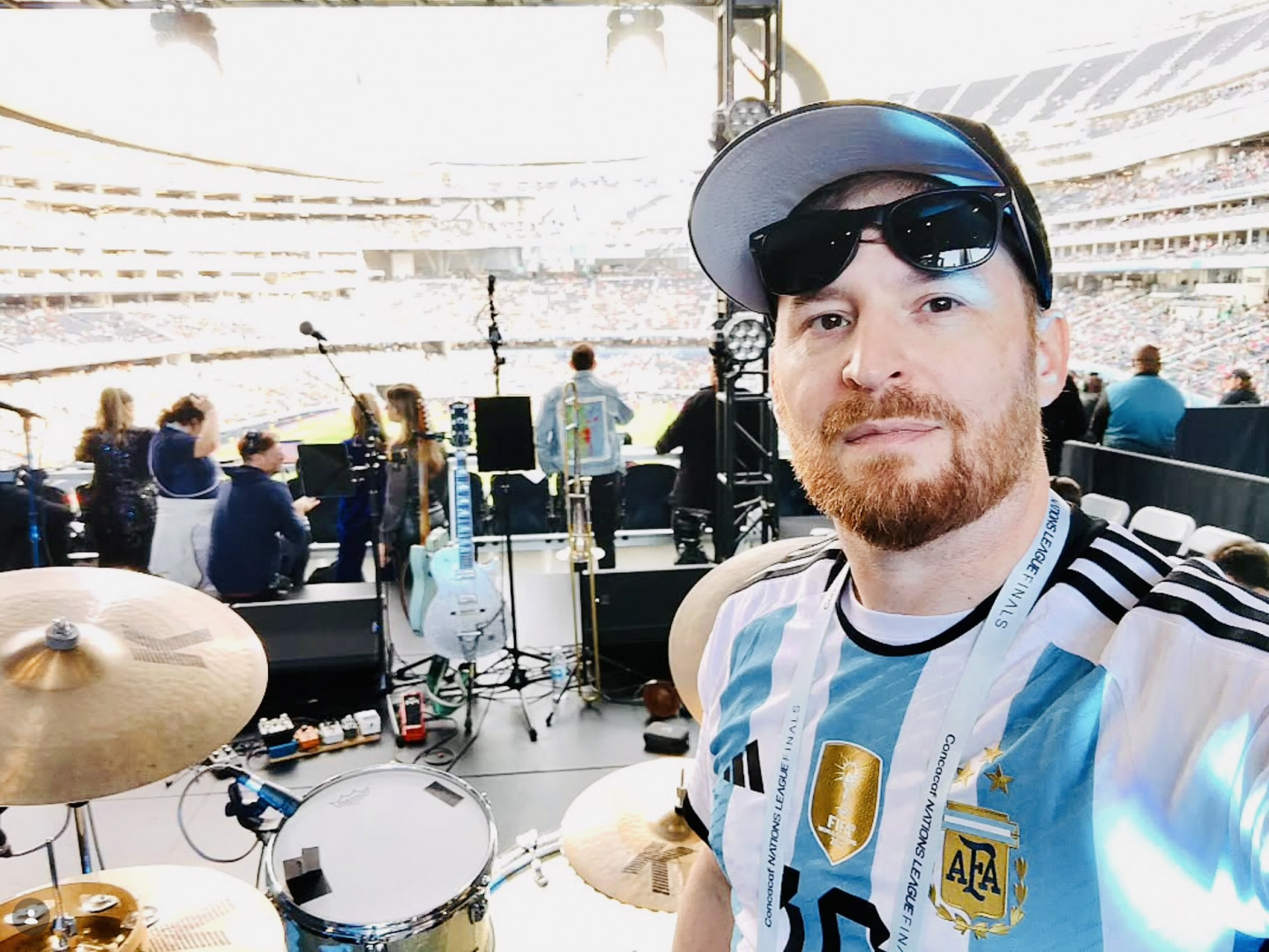
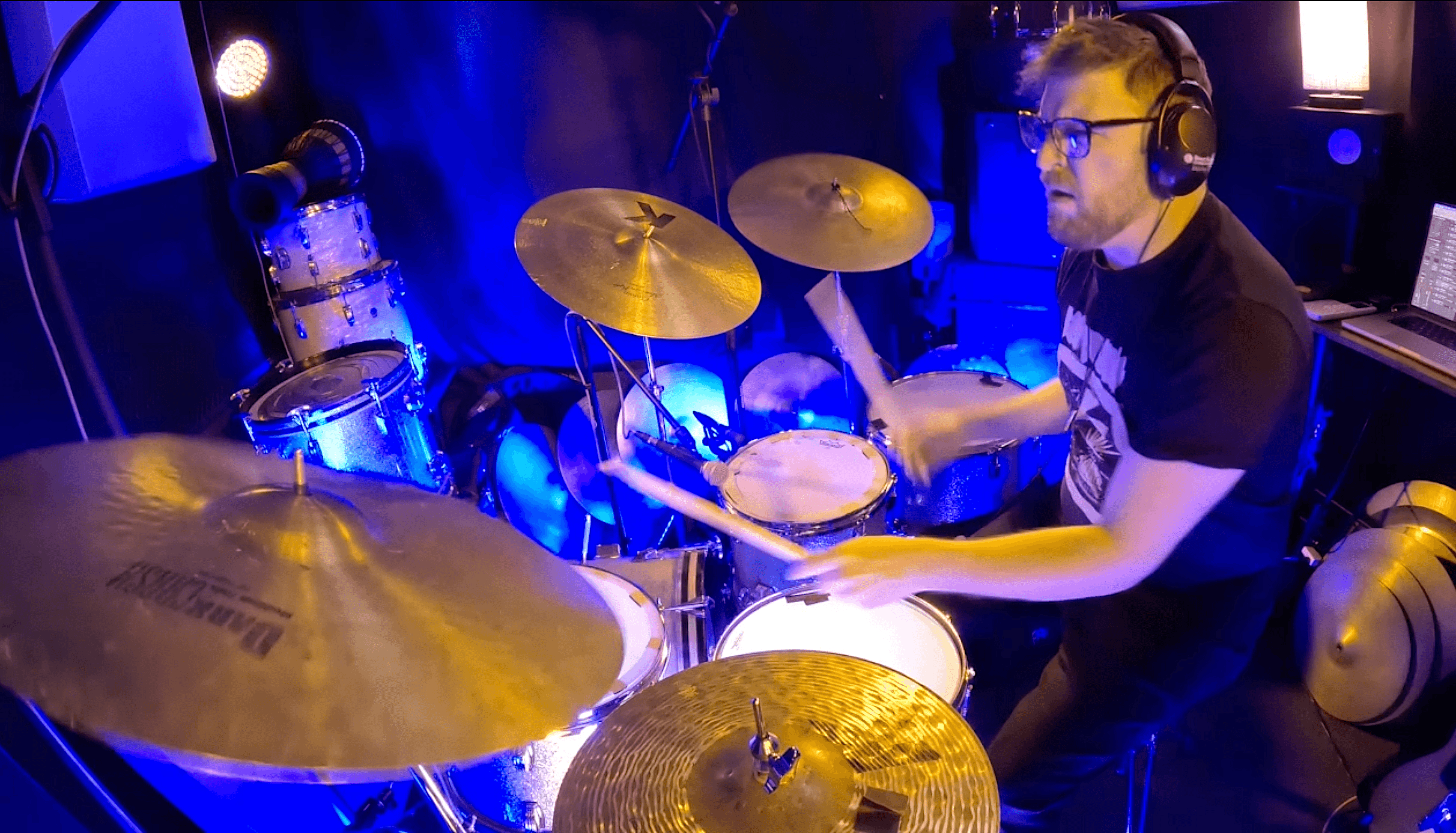
Meet Mike Smirnoff | Live & Studio Musician (Drums & Percussion, Multi-Instrumentalist)
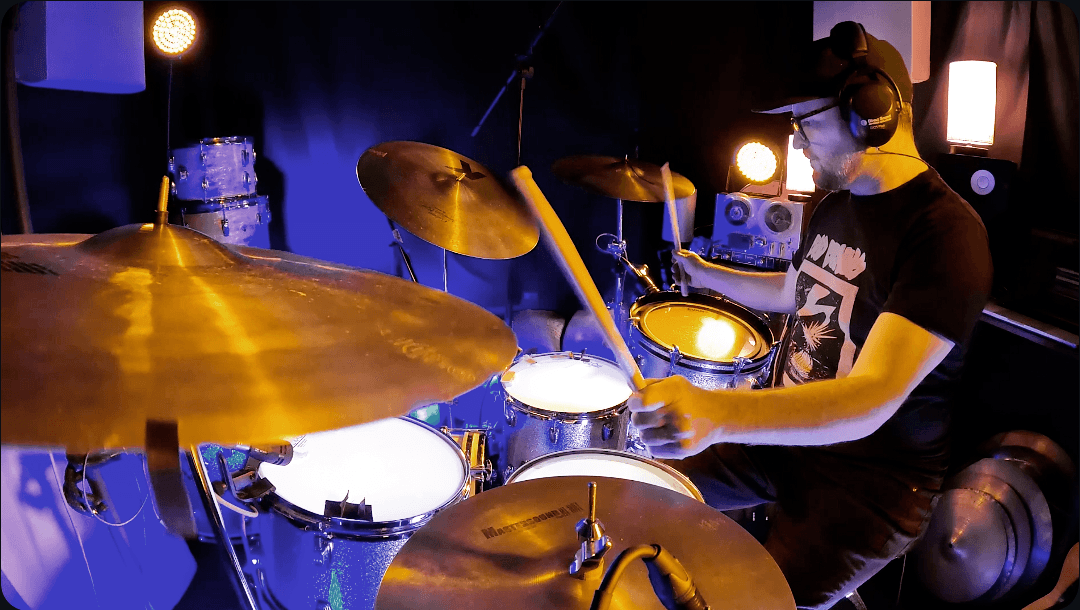


We had the good fortune of connecting with Mike Smirnoff and we’ve shared our conversation below.
Hi Mike, we’d love to hear what makes you happy.
The Contrast of the L.A. Hustle
Let’s be lighthearted for a moment: happiness is also finding a parking spot in West Hollywood that doesn’t require a permit or a prayer.
But in all seriousness, I love the specific energy of this city. Los Angeles is a place where you can be a “student of the craft” forever. Whether I’m grabbing a post-session taco or watching a peer play a residency, there’s an infectious “likable” spirit of “What if?” that permeates the air.
The Human Element
Ultimately, what makes me happy is connection.
With the audience: Seeing someone in the back of a room start to move their feet because of a groove I’m laying down.
With the community: Sharing knowledge with the next generation of players.
With the silence: Ironically, as a man who makes a living being loud, I’ve learned to find great happiness in the quiet moments between the notes.
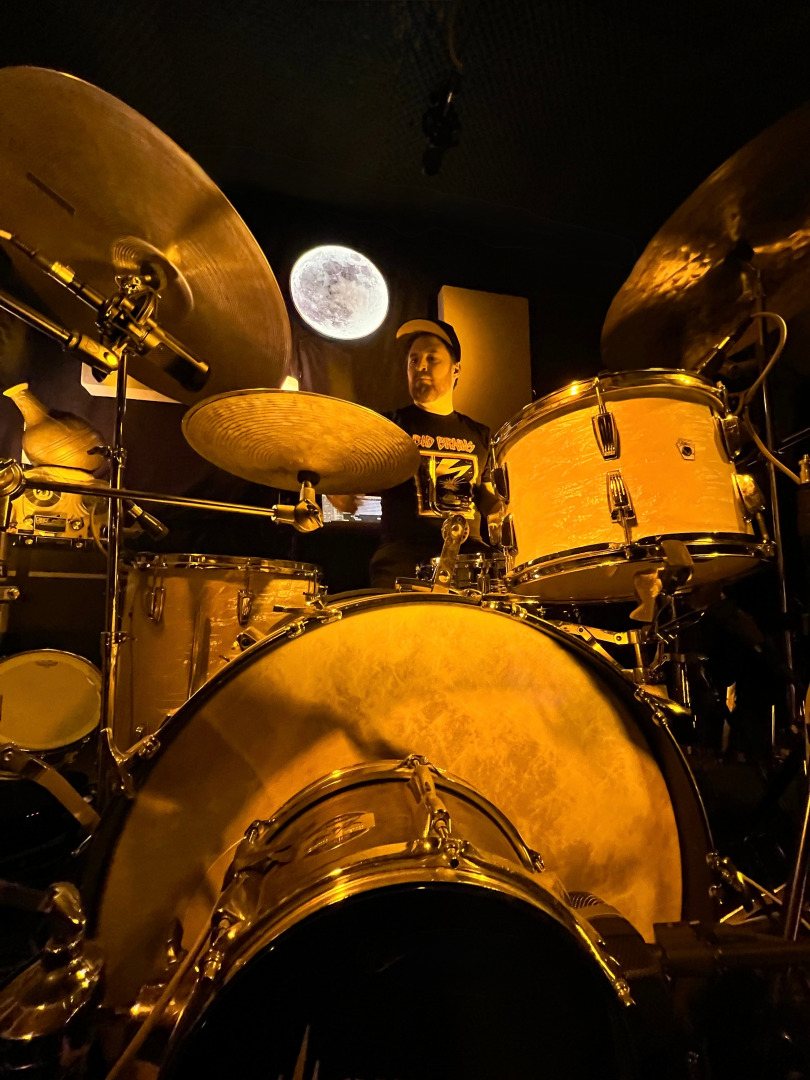
Let’s talk shop? Tell us more about your career, what can you share with our community?
The Art: Curated Vibration
On a professorial level, I view my art as the management of energy and time. Being a drummer, percussionist, and multi-instrumentalist isn’t just about keeping time—it’s about providing the emotional skeleton for a song.
What sets me apart? It’s the multi-instrumental lens. Because I understand the harmonic struggles of a guitarist or the melodic needs of a vocalist, I don’t just play a “beat.” I play a response. I’m looking for the “frequency holes” in a track and filling them with exactly what’s needed—sometimes that’s a complex polyrhythm, but more often, it’s the wisdom to play nothing at all. (Wink) Knowing when not to hit something is the most expensive skill I own.
The Journey: Not Exactly a Downhill Slide
Was it easy? Lightheartedly speaking: only if you find hauling 200 pounds of gear up three flights of stairs for a $50 gig “easy.”
Seriously though, the path to where I am today—running my own studio in the heart of the L.A. hustle—was a marathon, not a sprint. The challenges were the standard “starving artist” tropes: the lean months, the gig cancellations, and the sheer volume of talent in this city. I overcame them through a stubborn refusal to have a Plan B. I realized early on that in Los Angeles, “making it” is often just a matter of being the last person to leave the room.
Lessons from the “Lab”
If I were to give a lecture on the industry, the syllabus would cover these three pillars:
The Three A’s: Ability, Availability, and Affability. You need all three to survive. You have to be great, you have to answer the phone, and people have to actually want to sit in a windowless room with you for ten hours.
Service over Ego: My job is to make the artist or the producer look like a genius. If I do my job right, you don’t notice the drumming; you just notice that the song feels incredible.
Technological Agility: You have to speak “Computer” as fluently as you speak “Cymbal.” Investing in my own recording space was the turning point—it moved me from being a “hired gun” to a “creative partner.”
The Brand: Reliability with a Soul
What do I want the world to know? That my brand is built on authenticity and intentionality. Whether I’m tracking drums for a major label project or a local indie artist, the commitment to the “vibe” is the same.
I’m most proud of the longevity I’ve maintained in this town. I’m still here, I’m still curious, and I’m still excited by the sound of a perfectly tuned snare drum. My story is one of constant evolution—from a guy who just wanted to play loud to a producer and musician who understands that music is the highest form of communication we have.
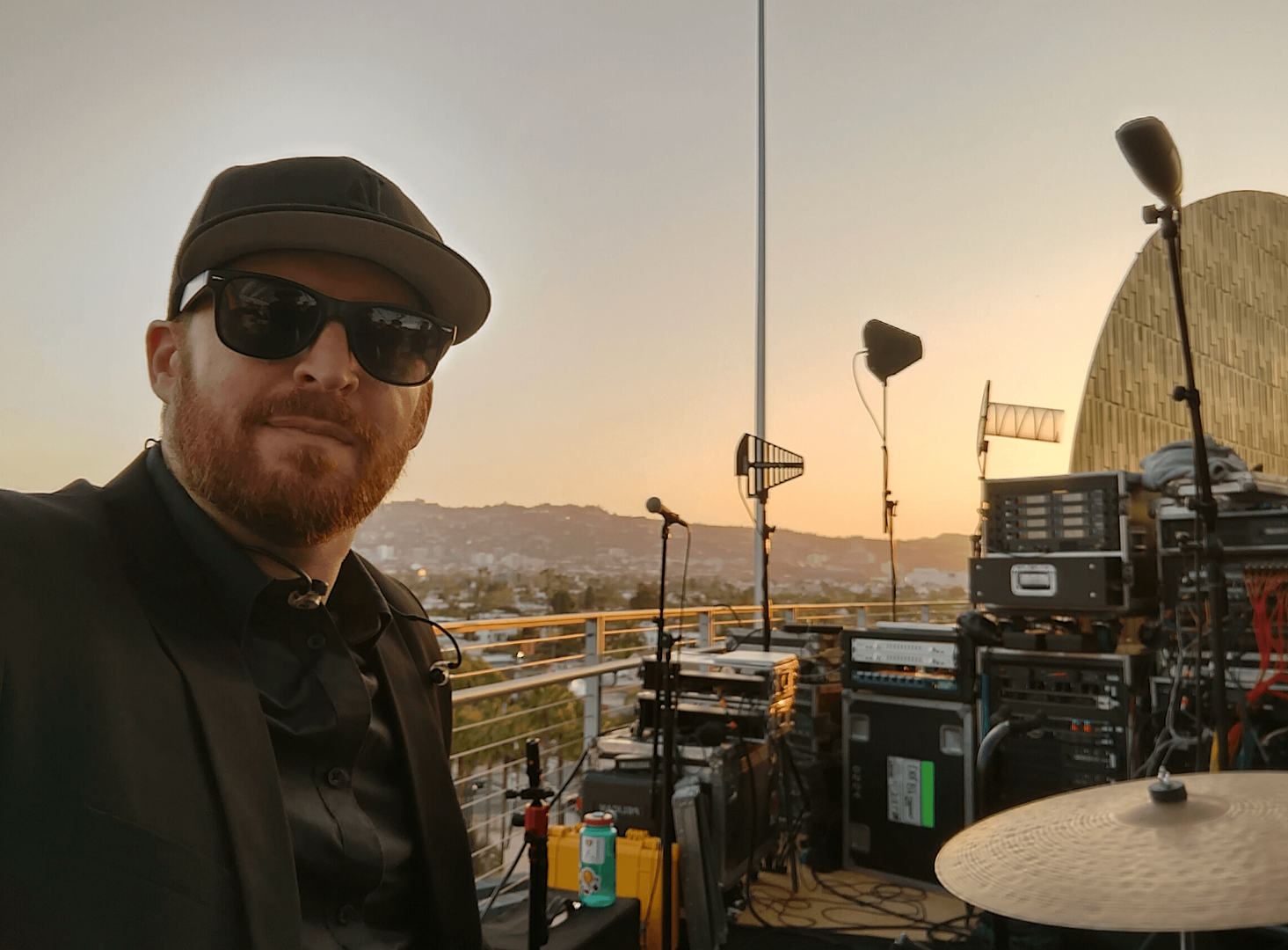
If you had a friend visiting you, what are some of the local spots you’d want to take them around to?
Professionally speaking, L.A. is a collection of micro-climates, and we’d start by calibrating our ears at the new Amoeba Music in Hollywood. It’s a pilgrimage for anyone who respects the physical medium; there’s a serious, scholarly joy in lost-format hunting. For a dose of “Old Hollywood” dignity, we’d grab a booth at Musso & Frank Grill.
Mid-week, we’d head to The Baked Potato in Studio City. It’s a tiny, legendary room where the musicianship is elite and the atmosphere is delightfully unpretentious. For a more lighthearted, “boots on the ground” experience, we’d end a night at Leo’s Tacos Truck on La Brea—because eating world-class al pastor on a street corner at midnight is the most authentic L.A. symphony there is. We’d close the week at The Troubadour, paying respects to the floorboards that shaped modern music. It’s an itinerary focused on soul, history, and avoiding any place with a “dress code” that outweighs its talent.
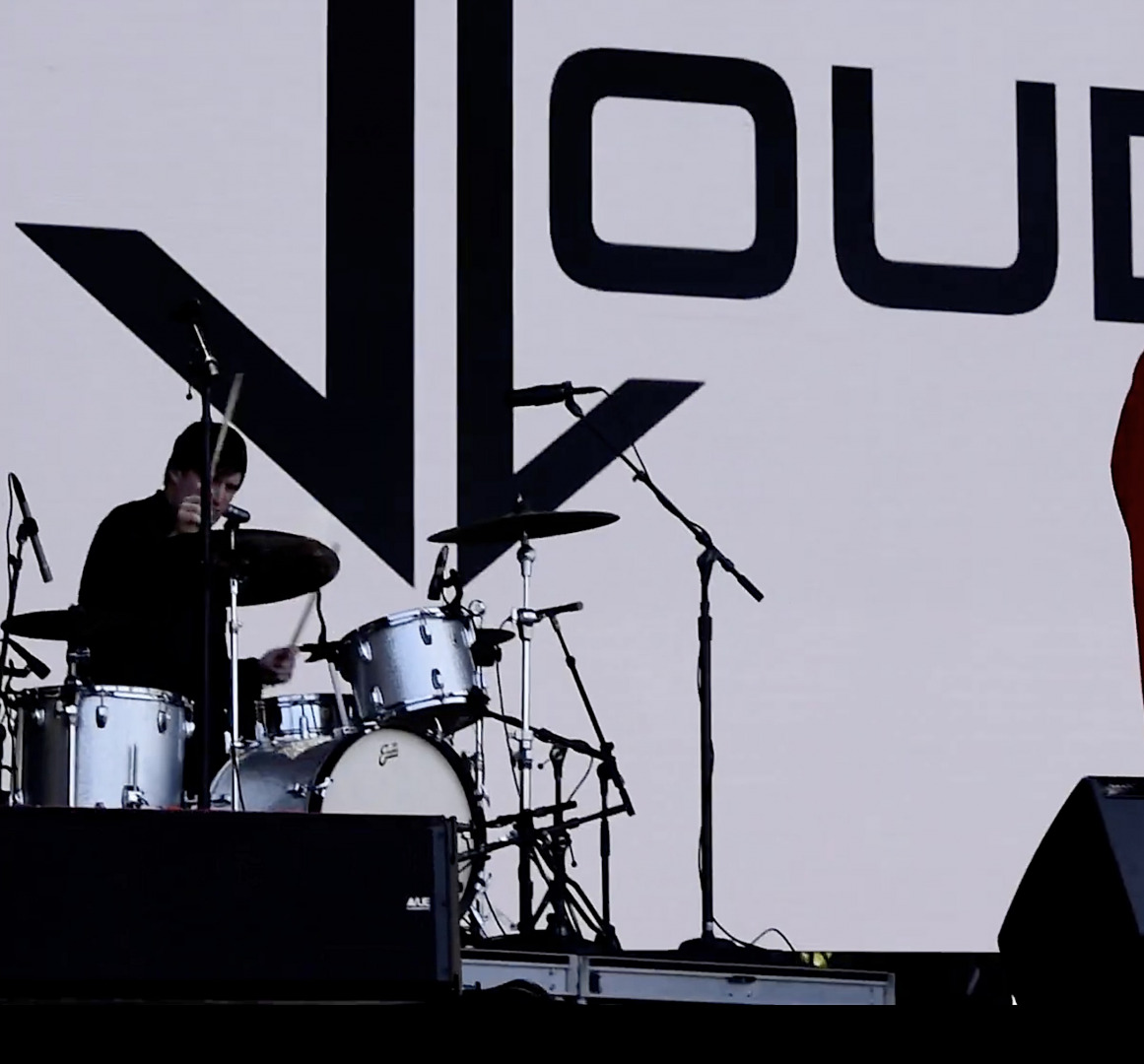
Who else deserves some credit and recognition?
I’d like to give a shoutout to Sebastian Reunert. He’s a producer, guitarist, and artist who truly understands the “sonic architecture” of a record.
In a city full of noise, Sebastian is a “musician’s musician” who prioritizes taste and intentionality. His ability to balance technical precision with raw artistry is rare; he knows exactly how to frame a song to let the artist shine. He’s been a vital, steady force behind a lot of the great music coming out of Los Angeles lately, and he handles the “serious” business of production with a professional grace. If you haven’t heard his work yet, you’ve likely heard his influence on the local scene without even realizing it.
Website: https://www.mikesmirnoff.com
Instagram: https://www.instagram.com/glasscityone/
Youtube: https://www.youtube.com/watch?v=hwwbmSI-Blw