Meet Viktor Sokorai | Stunt Performer, Fight Trainer & Kung Fu Master
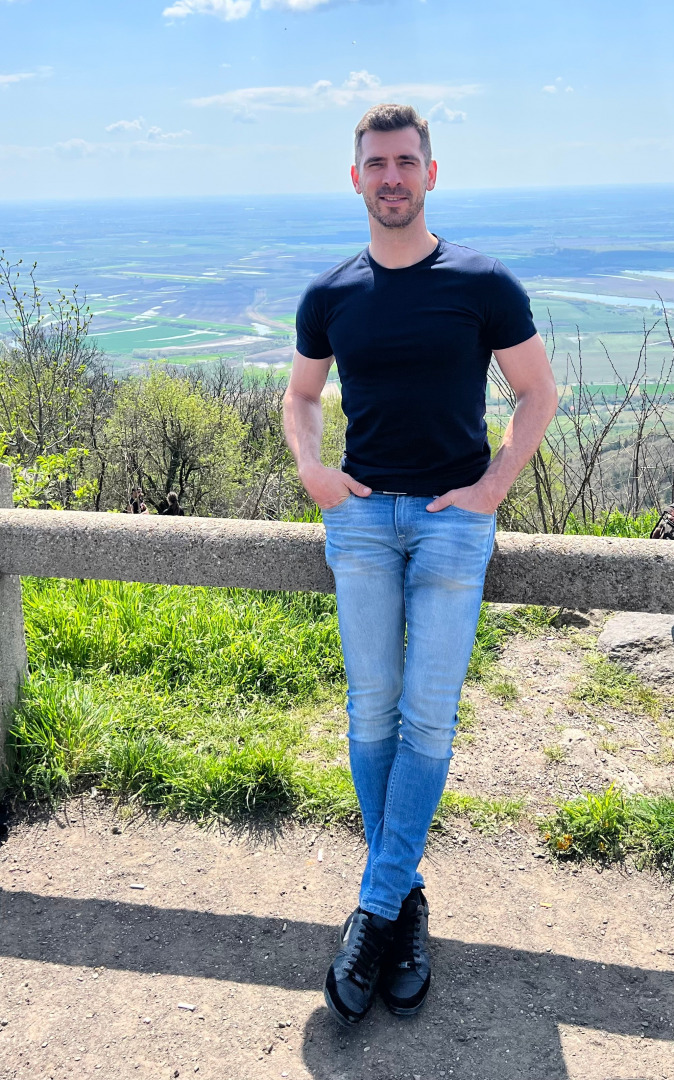


We had the good fortune of connecting with Viktor Sokorai and we’ve shared our conversation below.
Hi Viktor, what is the most important factor behind your success?
The most important factor behind my success has been clear intention followed by consistent action. First, you have to define what success actually means to you—what kind of life you want to live and what kind of work you want to do. But intention alone isn’t enough. Nothing happens unless you start taking real steps.
Persistence is essential. You can’t give up at the first obstacle. When something doesn’t work, I believe it’s important to stop and ask why—why did I get stuck, why did I fail? Self-analysis and learning from those moments is what allows you to move forward stronger and smarter.
Strategy also plays a big role. No one succeeds alone. Mentors, role models, and examples of people who have already achieved what you’re aiming for are incredibly valuable. Studying their paths helps you avoid unnecessary mistakes and stay focused.
Continuous training and self-development are non-negotiable. You have to invest in yourself every day—physically, mentally, and professionally. That requires focus and sacrifice. You can’t do everything; you have to choose one path and commit to it fully.
Equally important is your environment. Surround yourself with people who support your vision, and learn how to set boundaries with those who don’t. Along the way, it’s crucial to set milestones—acknowledge small wins, celebrate progress, and allow yourself moments of rest. Pausing to reflect, recalibrate, and then move forward again is part of long-term success.
In the end, success is built through discipline, focus, self-awareness, and the willingness to keep going—no matter how many times you have to adjust the plan.
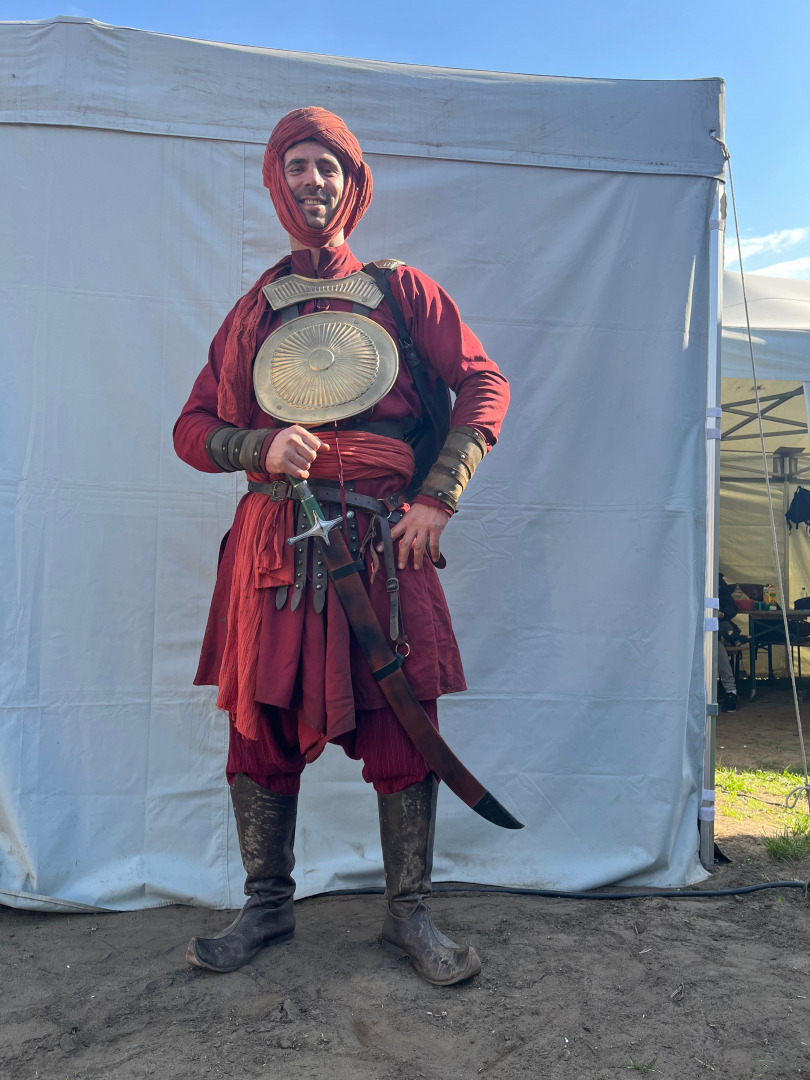
Can you open up a bit about your work and career? We’re big fans and we’d love for our community to learn more about your work.
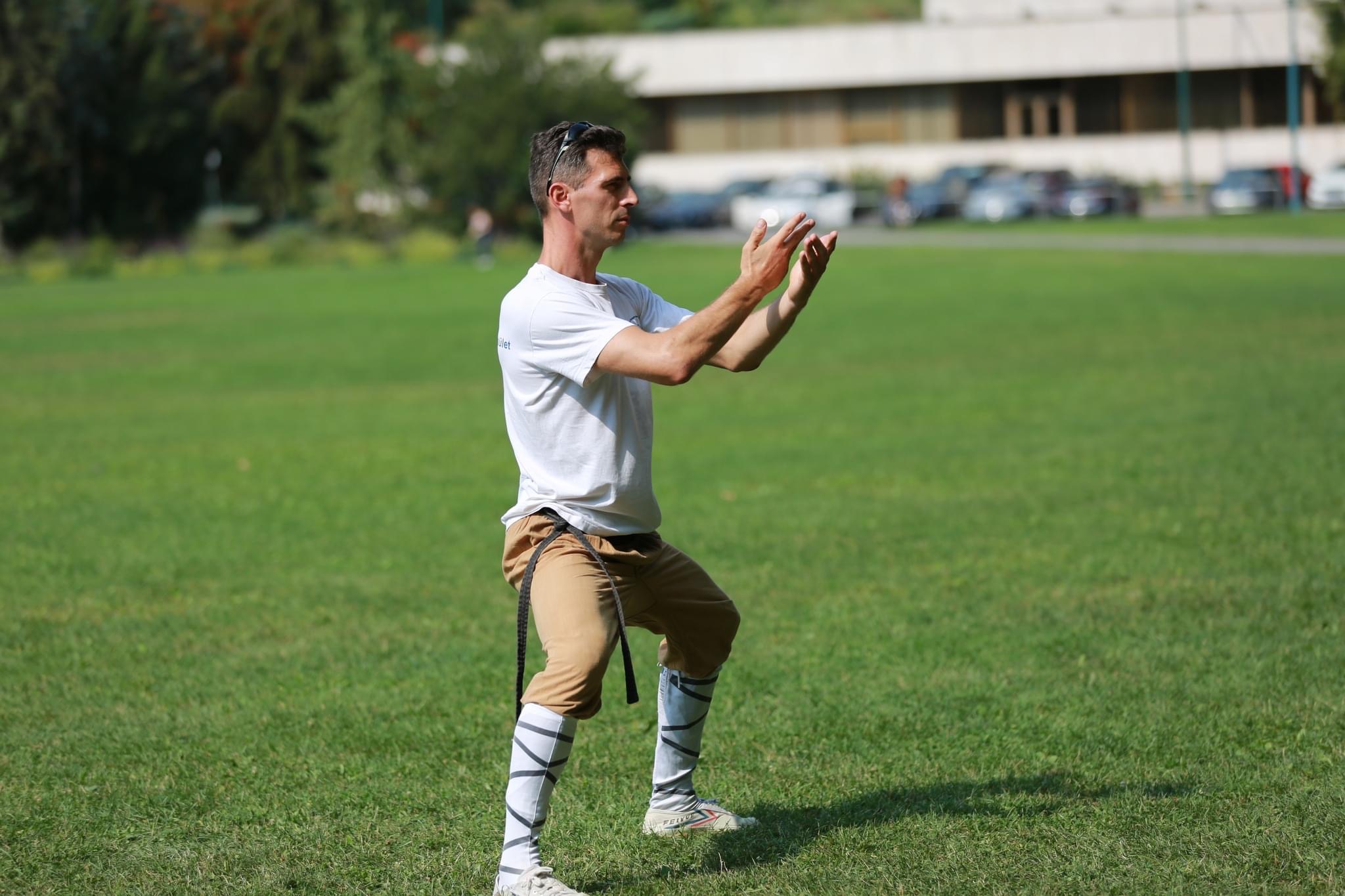
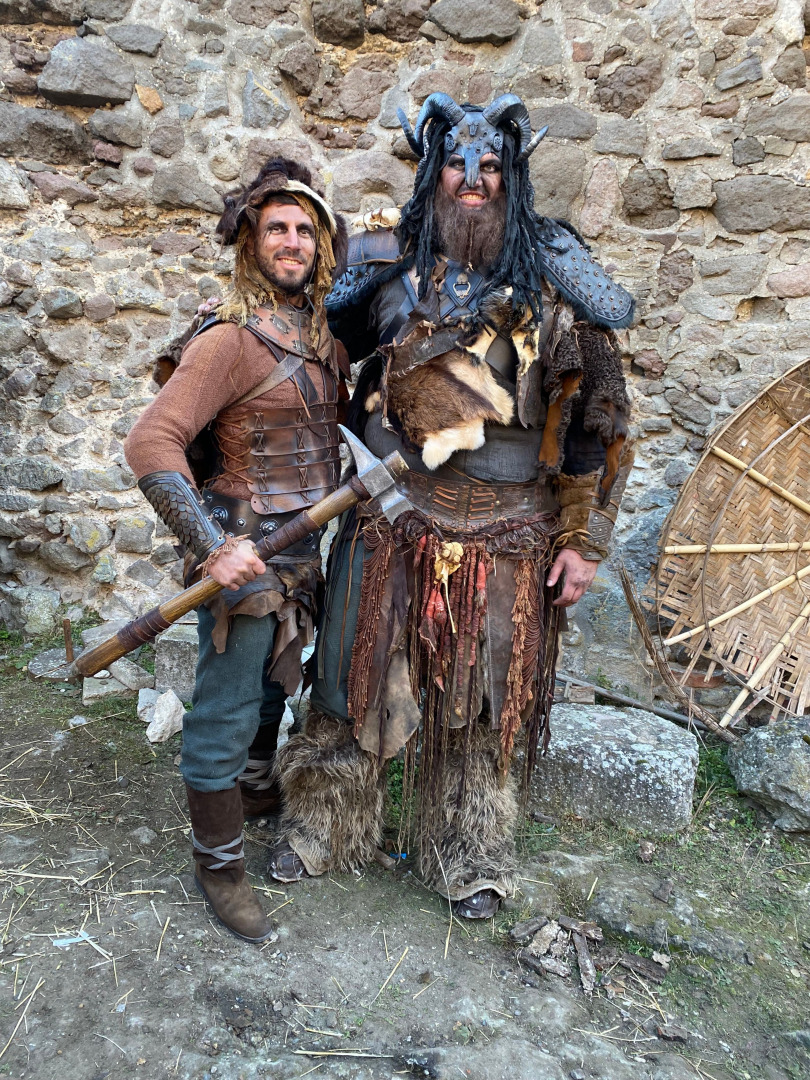
I started practicing Shaolin kung fu at the age of fourteen, and from the very beginning, I took it extremely seriously. It wasn’t just a hobby—it became a way of life. I dedicated myself fully to training, discipline, and self-development, which is at the core of kung fu philosophy. Everything I learned through martial arts later became the foundation of my professional career as a stunt performer.
What truly sets me apart is that very few stunt performers come from a deep, traditional kung fu background. This gives me a different understanding of movement, combat, balance, rhythm, and intention. I don’t approach action purely as choreography—I approach it as a living, functional system rooted in centuries-old knowledge.
One of the achievements I’m most proud of is earning a world championship title in kung fu. That success came after years of intense training, sacrifice, and persistence. The experience I gained through competition and high-level training now directly translates into my work in film. Whether it’s performing stunts, designing fights, or training actors, I draw constantly from those years of discipline and physical awareness.
The path was long and far from easy. It required enormous sacrifices—I spent most of my youth training while others lived more carefree lives. Everything I’ve achieved so far is a direct result of the work I put in. And even today, this career demands constant flexibility and growth. The film industry is always evolving, and to stay relevant, you have to keep learning, adapting, and expanding your skill set.
One of the biggest lessons I’ve learned is that if you don’t give up, almost anything is possible. You need to find the right people, the right profession or discipline, and recognize what you’re truly talented at. When you’re on the right path, support starts to appear—but you also have to be brave enough to stand behind your abilities, show your work, and take action.
What I want the world to know about me and my brand is that I aim to bring the values and benefits of kung fu into modern filmmaking. Stunt work is the space where I can represent this most authentically. I want more stunt performers, fight scenes, and action design to be rooted in these traditional principles—because they are timeless. Even in today’s fast-changing world, they still hold power, create authenticity, and allow truly outstanding performances to emerge.
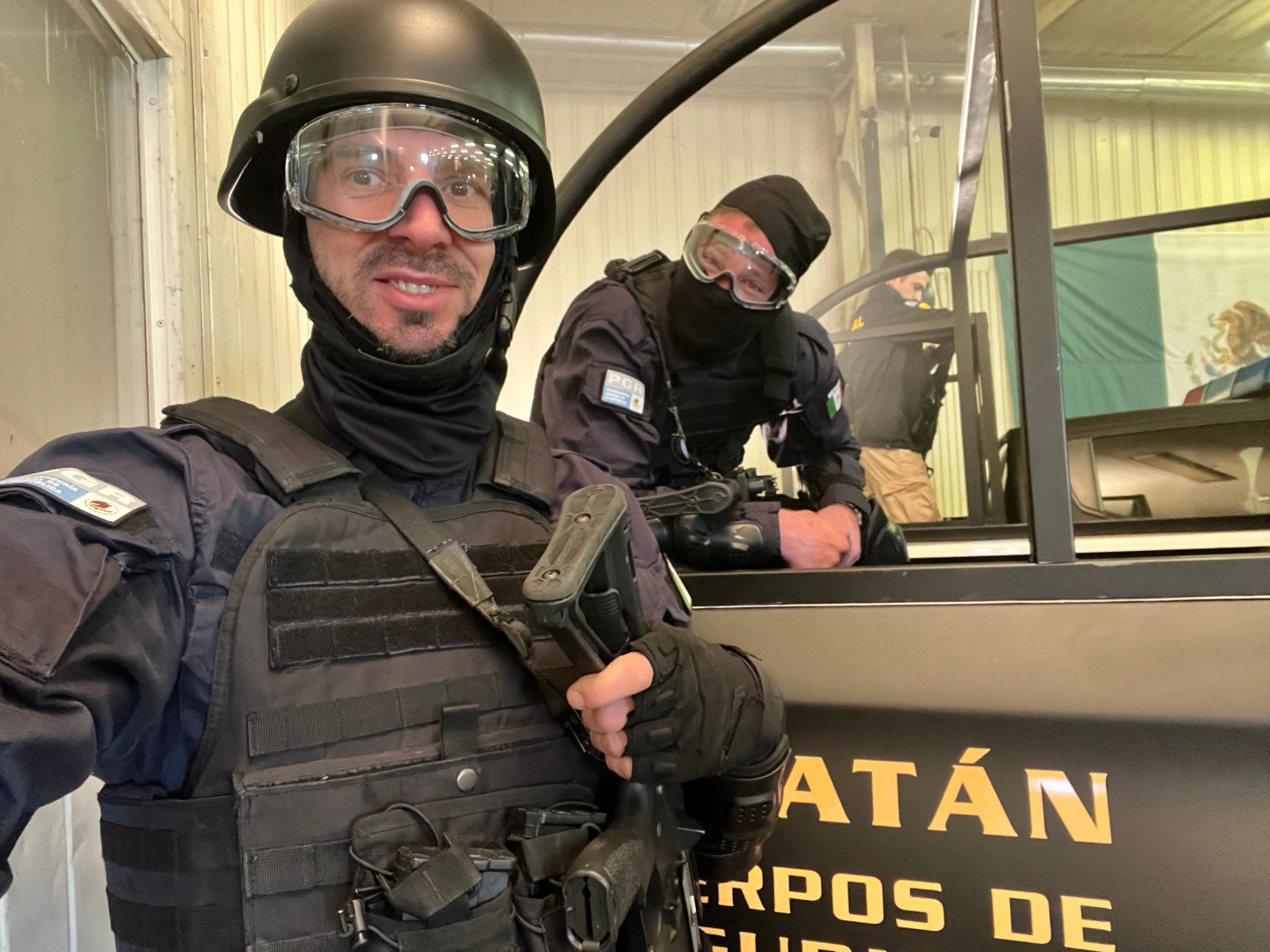
Any places to eat or things to do that you can share with our readers? If they have a friend visiting town, what are some spots they could take them to?
I’d definitely go to Chinatown, because I love Chinese culture, its philosophy, lifestyle, and food. It’s a place that feels alive and deeply connected to the roots of martial arts. We’d walk through Chinatown Central Plaza, soak in the atmosphere, visit small shops, and eat authentic Chinese food—dumplings, noodle soups, roasted meats, and tea houses. It’s the kind of place where you slow down, observe, and feel connected to tradition.
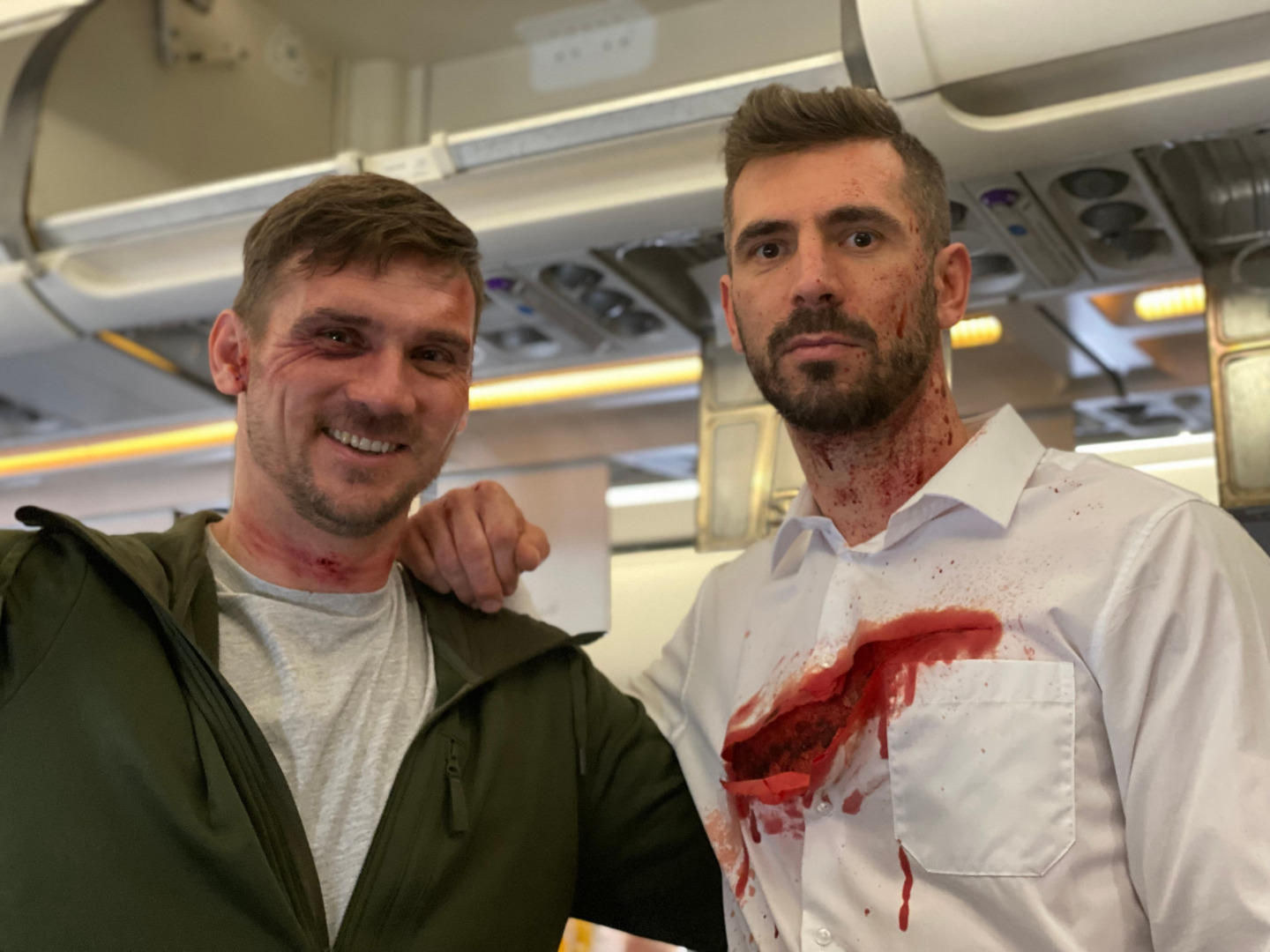
Who else deserves some credit and recognition?
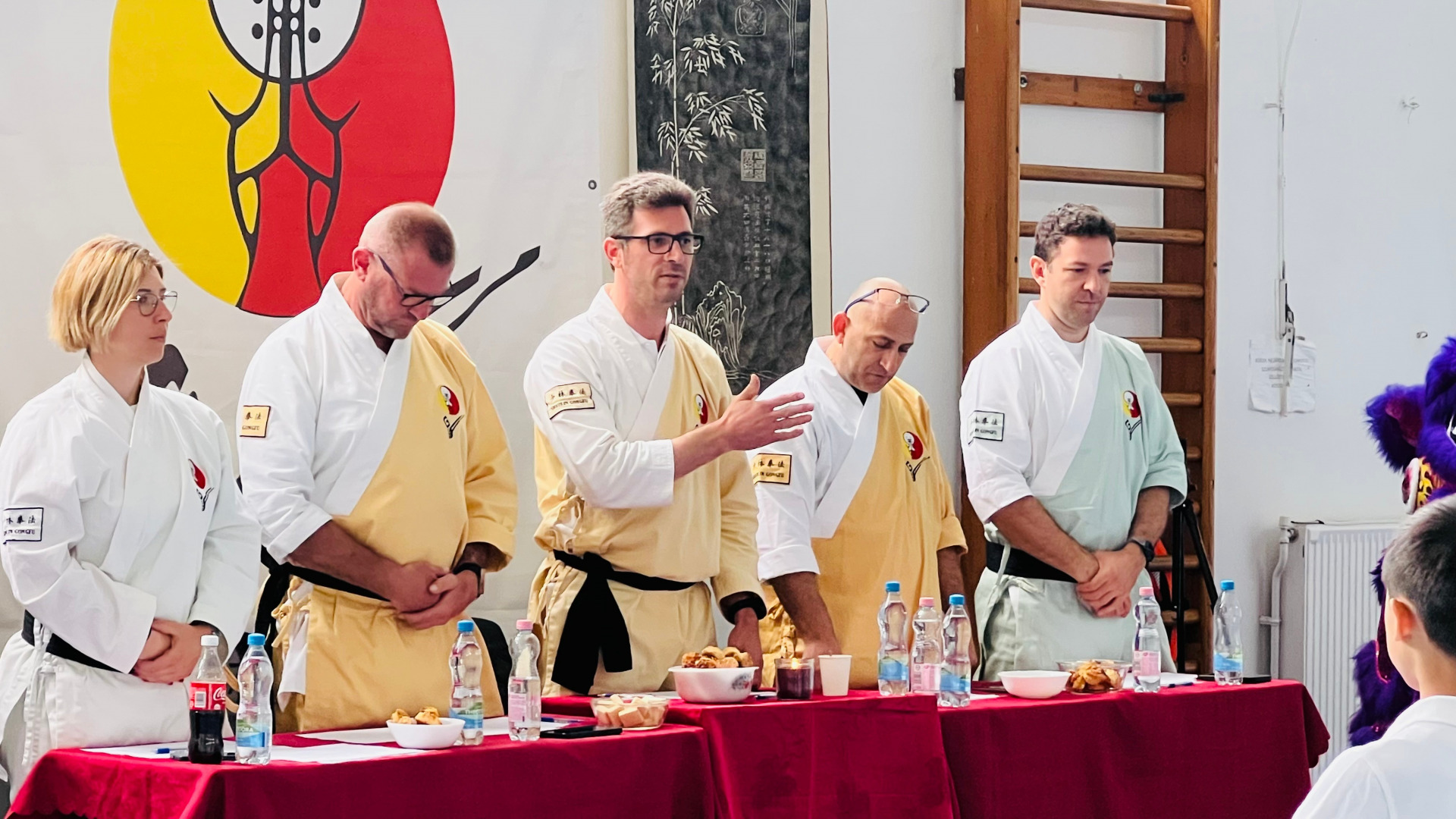
I want to dedicate my shoutout to my master, Robert Lyons. I owe him my deepest gratitude. He was the one who recognized the talent in me and introduced me to kung fu, but more importantly, he believed in me long before I fully believed in myself.
He invested an incredible amount of energy into my growth and was able to bring out a level of performance and discipline in me that I couldn’t have imagined reaching on my own. He pushed me beyond my limits in the best possible way, while also supporting me mentally and emotionally. He was always there for me, and I always knew I could rely on him.
Robert Lyons is a true role model to me—not only as a martial artist, but as a teacher and as a human being. He showed me what it really means to be a master, how to work with a student, and how to lead with integrity, patience, and strength. I still think of him with great respect and gratitude, and I confidently recommend him as an example of what true mentorship looks like.
Instagram: https://www.instagram.com/sokorai_viktor_stunt?igsh=aWdnaGVwOWhpaGlu