Meet Nelson Hill | Writer/Director
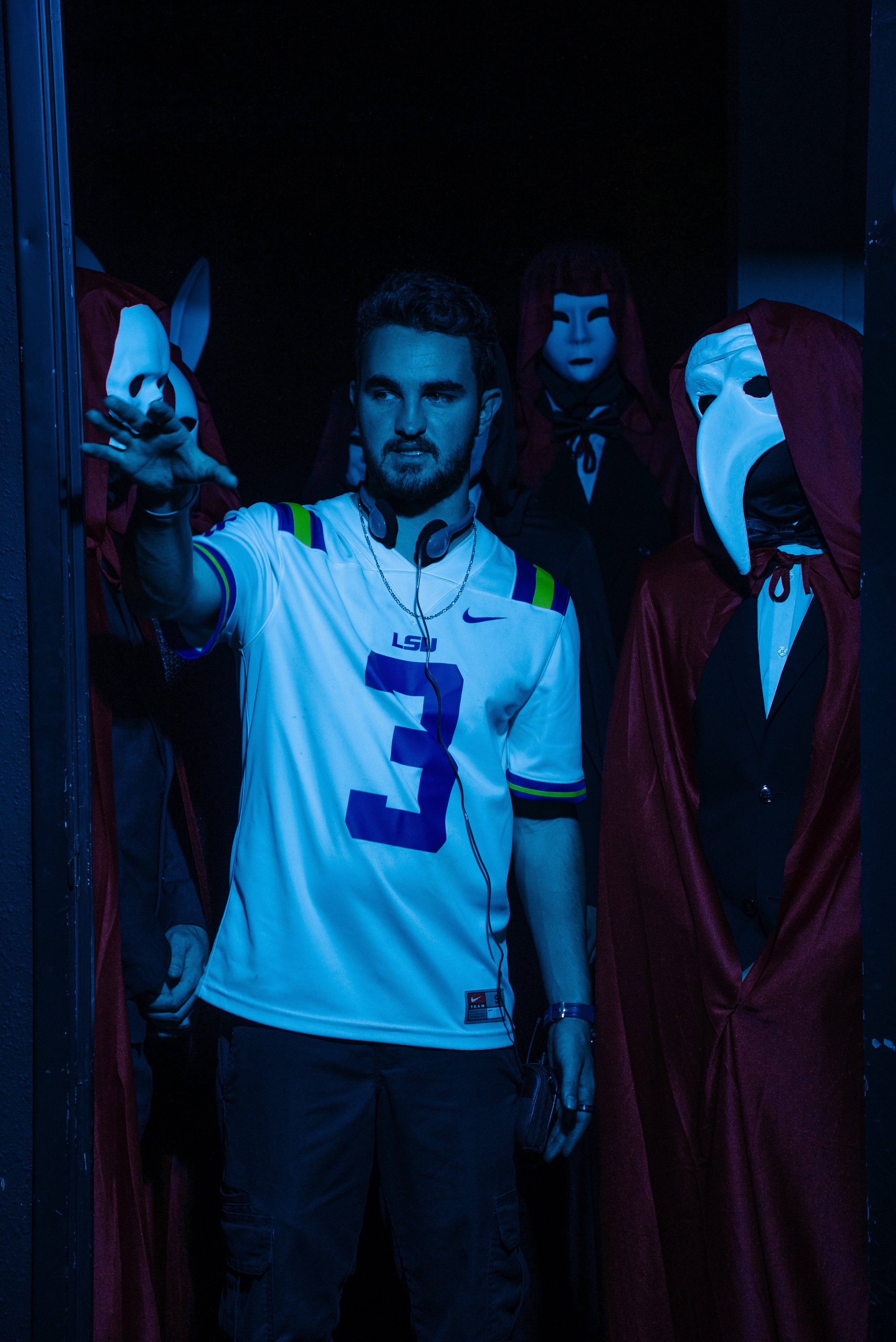


We had the good fortune of connecting with Nelson Hill and we’ve shared our conversation below.
Hi Nelson, why did you decide to pursue a creative path?
Honestly, it’s something I’ve always been drawn to. Ever since I was a kid, I’ve loved movies and storytelling. At first, I thought acting was the path for me, which is actually why I moved to Los Angeles. But once I started making my own films, I realized I fell in love with the entire filmmaking process. Writing, directing, filming, editing, all of it. There was something really exciting about being able to create a world from nothing and watch it come to life.
I think what draws me most to a creative career is the ability to build worlds and characters that don’t exist yet. Sometimes life can feel repetitive, stressful, or even a little overwhelming, and storytelling gives me an outlet for all of that. When I’m writing or working on a project, everything else kind of fades away. The negative thoughts, the doubts, the distractions. My focus shifts completely to creating something. There’s something therapeutic about that.
What I also love about filmmaking is that there’s always another step. You’re never sitting around waiting for something to happen. You’re writing the story, casting actors, scouting locations, filming, editing, marketing, and then before you know it, you’re already working on the next project. It’s a craft that constantly keeps you moving forward. For me, it’s more than a career. It’s become a way of life, and I genuinely can’t imagine doing anything else.
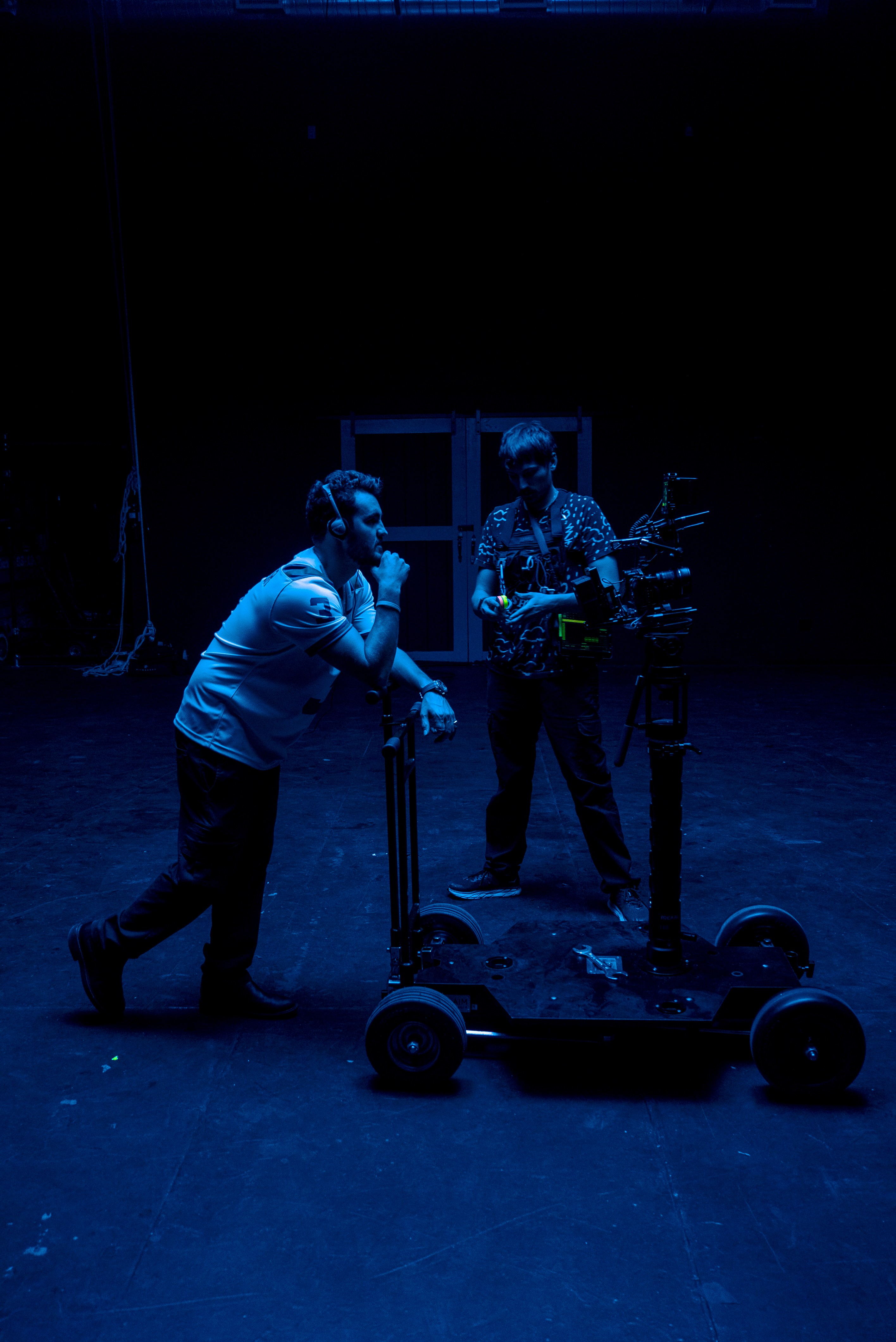
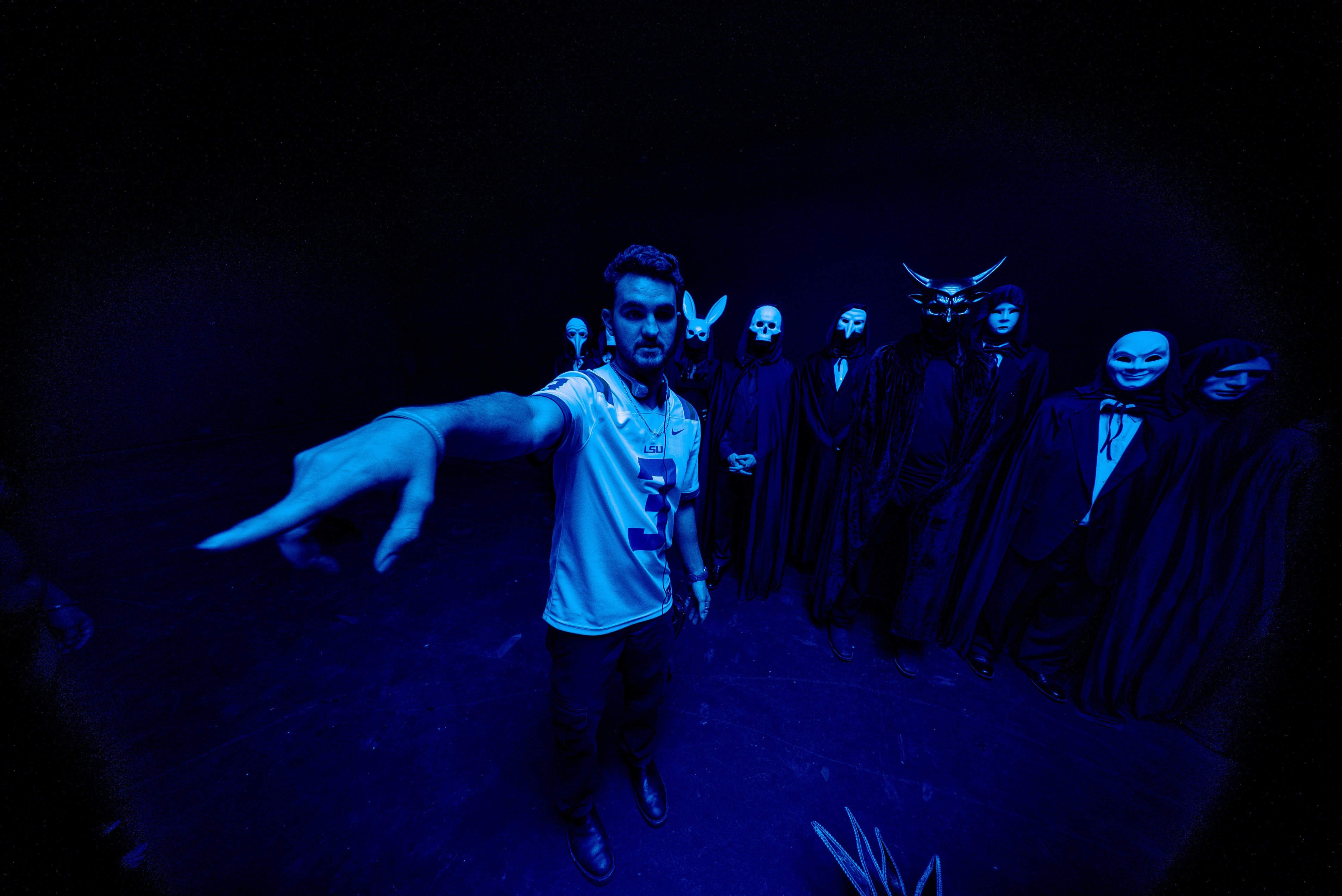
Let’s talk shop? Tell us more about your career, what can you share with our community?
Professionally, I still feel like I have a long way to go. I’m proud of what I’ve accomplished so far, but I’m nowhere near where I ultimately want to be. What I can say is that I know I’m on the right path. The biggest reason I’ve gotten this far is because I’ve never stopped learning and I’ve never stopped knocking on doors. Every short film, every commercial, every live event, and every project has taught me something new. I’ll finish an edit and immediately think, “Next time, I’m going to shoot this differently,” or “I found a better way to tell that story.” I’ve always treated every project as an opportunity to improve.
A huge part of my growth has also come from relationships. I’ve spent years taking meetings, buying people coffee, asking questions, and learning from directors, producers, actors, and anyone willing to share their experience. Filmmaking is a team sport, and I’ve been fortunate to meet incredible people who have helped me along the way. Even on Where the Rich Won’t Go, there were moments where understanding things like SAG paperwork, production logistics, and legal requirements came down to having the right people in my corner. I’ve learned that talent is important, but relationships are just as valuable.
Was it easy? Not at all. There were plenty of moments where I felt overwhelmed, unsure of myself, or completely out of my depth. One thing nobody really tells you is that when you’re trying to build a career, you constantly have to put yourself out there. You have to send the email, make the call, ask for the meeting, and risk hearing “no.” That can be uncomfortable, especially when you’re trying to be professional without feeling like you’re bothering people. But I’ve learned that growth usually happens on the other side of discomfort.
One lesson that has stayed with me is that the world isn’t running short of ideas. Everybody has ideas. What separates people is action. I’ve always been the type of person who would rather jump in and figure things out than spend years waiting for the perfect opportunity. Sometimes that means making mistakes. Sometimes it means learning lessons the hard way. But more often than not, it means moving forward while everyone else is still planning. A lot of my career has been built on taking that first step before I felt completely ready.
More than anything, I’ve learned that putting yourself in uncomfortable situations is one of the fastest ways to grow. If you wait until you’re fully confident, you’ll probably never start. Some of the best opportunities I’ve ever had came from saying yes to things that scared me a little. Looking back, every challenge taught me something valuable and gave me confidence that I could handle whatever came next.
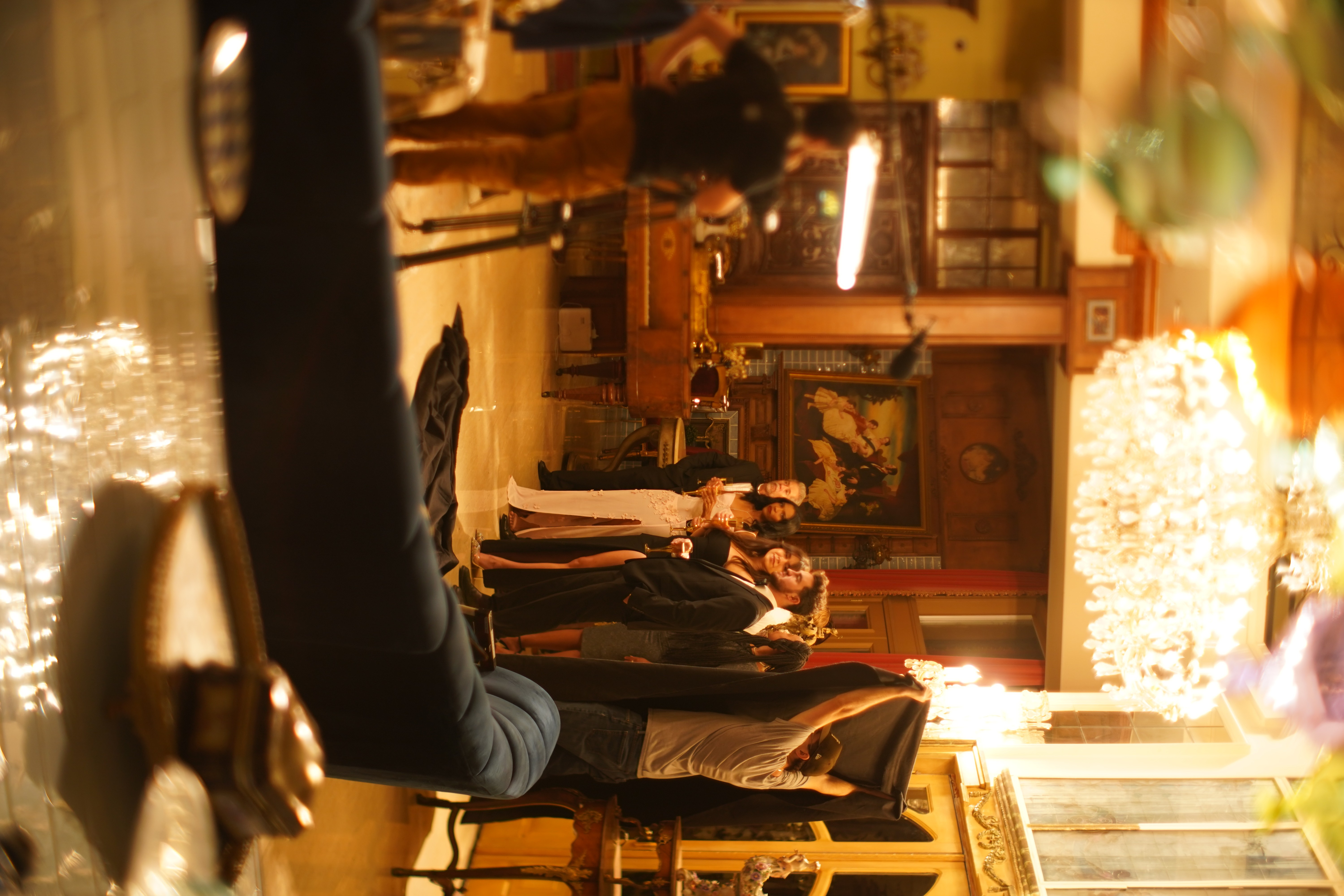
As for what I hope people take away from Where the Rich Won’t Go, it’s the importance of work ethic, accountability, and knowing your worth. The film explores the difference between people who have had to fight for every opportunity and people who have always had opportunities handed to them. Through Jace’s journey, I wanted to explore the idea that hard work matters, but so does recognizing when you’re investing your time and energy into something that isn’t serving your future. Sometimes the strongest thing you can do is walk away from a situation that no longer aligns with who you want to become.
At the end of the day, I hope people leave the film understanding that success isn’t just about where you come from or what you have. It’s about how you respond when things get difficult. Pressure reveals character, and that’s really what this story is all about.
Any places to eat or things to do that you can share with our readers? If they have a friend visiting town, what are some spots they could take them to?
If a friend was visiting Los Angeles for a long weekend, I’d tell them to come hungry because a lot of my favorite spots revolve around food. For breakfast or brunch, one of my go to spots is Joan’s on Third in Studio City. They have an incredible menu with everything from salad bowls and burrito bowls to burgers and great coffee. My personal favorite is the chicken fried sandwich with french fries. It’s one of those places that always delivers and has become a regular stop for me.
For exploring the city, I always recommend Century City Mall. It’s clean, easy to walk around, and has a great mix of shopping, restaurants, and people watching. Rodeo Drive is also worth checking out, even if you’re just there to experience it. Santa Monica Pier can be fun too, although it can be a little crowded depending on the day. On Sundays, I love going to the Studio City Farmers Market. There’s great food, local vendors, and it always has a fun community atmosphere.
For dinner, Katana is one of my favorite restaurants in the city. It’s a great sushi spot right on Sunset Boulevard, and it’s conveniently located next to The Comedy Store, so you can grab dinner and then catch a comedy show afterward. Chateau Marmont is another incredible experience if you can get a reservation. It’s one of those classic Hollywood spots that still feels special every time you go.
As for nightlife, I tend to recommend places with personality. Break Room 86 and Kiss Kiss Bang Bang are both great if you’re looking for a fun night out with an 80s vibe. Desert 5 Spot is one of my favorite country bars in Los Angeles and always has a great crowd. If you’re looking for something a little more laid back, Davey Wayne’s is a fantastic spot to end the night. It gets busy on weekends, but that’s part of the charm.
The best part about Los Angeles is that everyone experiences it differently. For me, it’s always been less about the tourist attractions and more about the places where you can grab good food, spend time with friends, and stumble into a great conversation or a memorable night.
Who else deserves some credit and recognition?
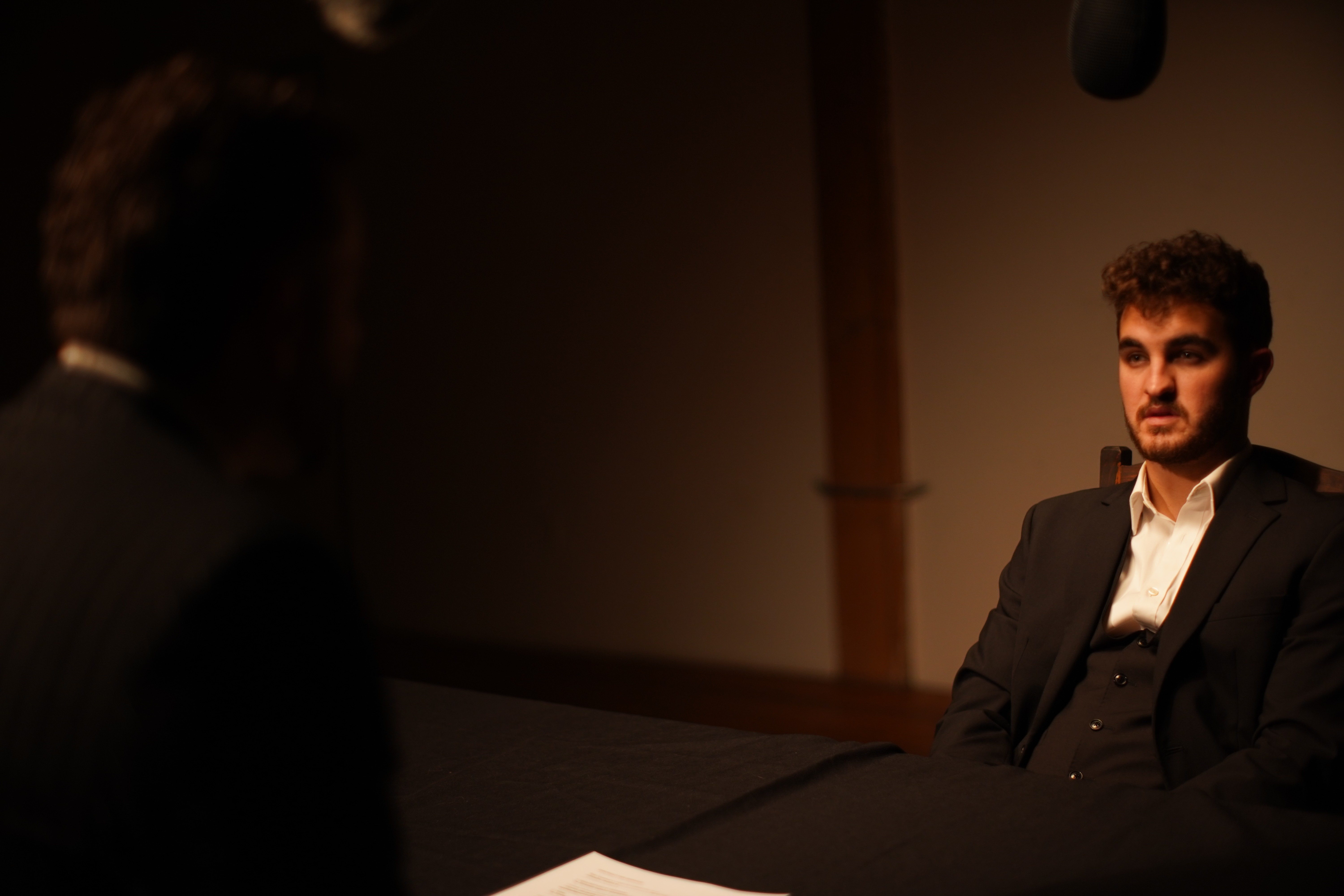
There are definitely a few filmmakers who have had a huge influence on me, especially while making Where the Rich Won’t Go. One of the biggest is Josh Safdie. What I love about his work is how natural everything feels. When you watch his films, it almost feels like there isn’t a writer behind them. The characters talk over each other, stumble over words, repeat themselves, and sound like real people instead of actors delivering lines. That was something I talked about a lot with my cast. I actually encouraged them to watch Josh Safdie’s work before rehearsals because I wanted them to understand that feeling of spontaneity and realism. I wanted the dialogue in Where the Rich Won’t Go to feel alive, like the characters were discovering what they were going to say in the moment rather than reciting something from a script.
Another huge influence is Damien Chazelle. I’ve always admired how ambitious his films are. His stories feel big, emotional, and cinematic, but they’re always grounded in character. Whether it’s Whiplash, La La Land, or Babylon, there’s a level of energy and momentum in his storytelling that I’ve always been drawn to. He has a way of making every location, every scene, and every decision feel important.
I think both of those filmmakers had a major impact on Where the Rich Won’t Go. Josh Safdie inspired the realism and unpredictability of the characters, while Damien Chazelle inspired the ambition and scale of the storytelling. Even though the film is completely its own thing, those influences definitely helped shape the way I approached the project.
Instagram: https://www.instagram.com/nelsonlhill/
Youtube: https://www.youtube.com/@nelson_hill
Other: https://www.tiktok.com/@nelson_hill?_r=1&_t=ZP-972sxIxNK9f