Meet Alejandra Parra Parodi | Fashion designer & researcher
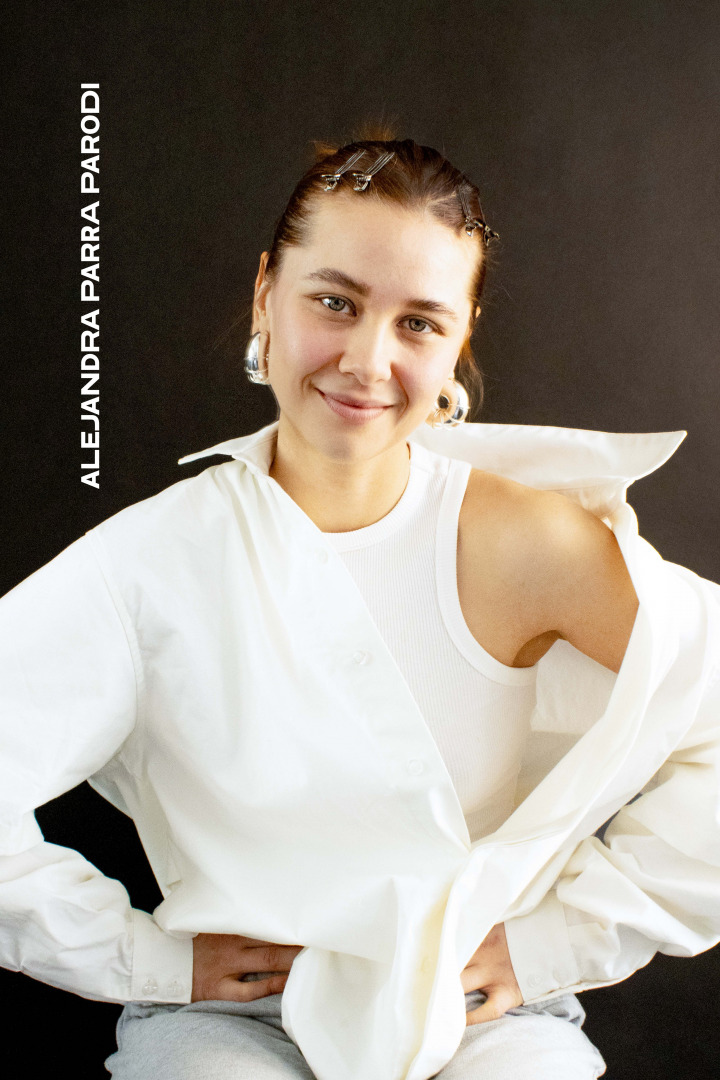


We had the good fortune of connecting with Alejandra Parra Parodi and we’ve shared our conversation below.
Hi Alejandra, can you talk to us a bit about the social impact of your business?
As an active member of the fashion industry and an active Latinx representative in New York City’s fashion industry, I have always thought about how I can use my practice to bring up ideas that address social and environmental justice concerns, about what we experience in the global South into conversation. That is why, from the moment I was able to embark on my creative practice, I always kept in mind that I would work to build a legacy worthy of the paradise that is Colombia. I was also driven by curiosity and, to some extent, by urgency. I wanted to think of actions that would have an impact on my environment.
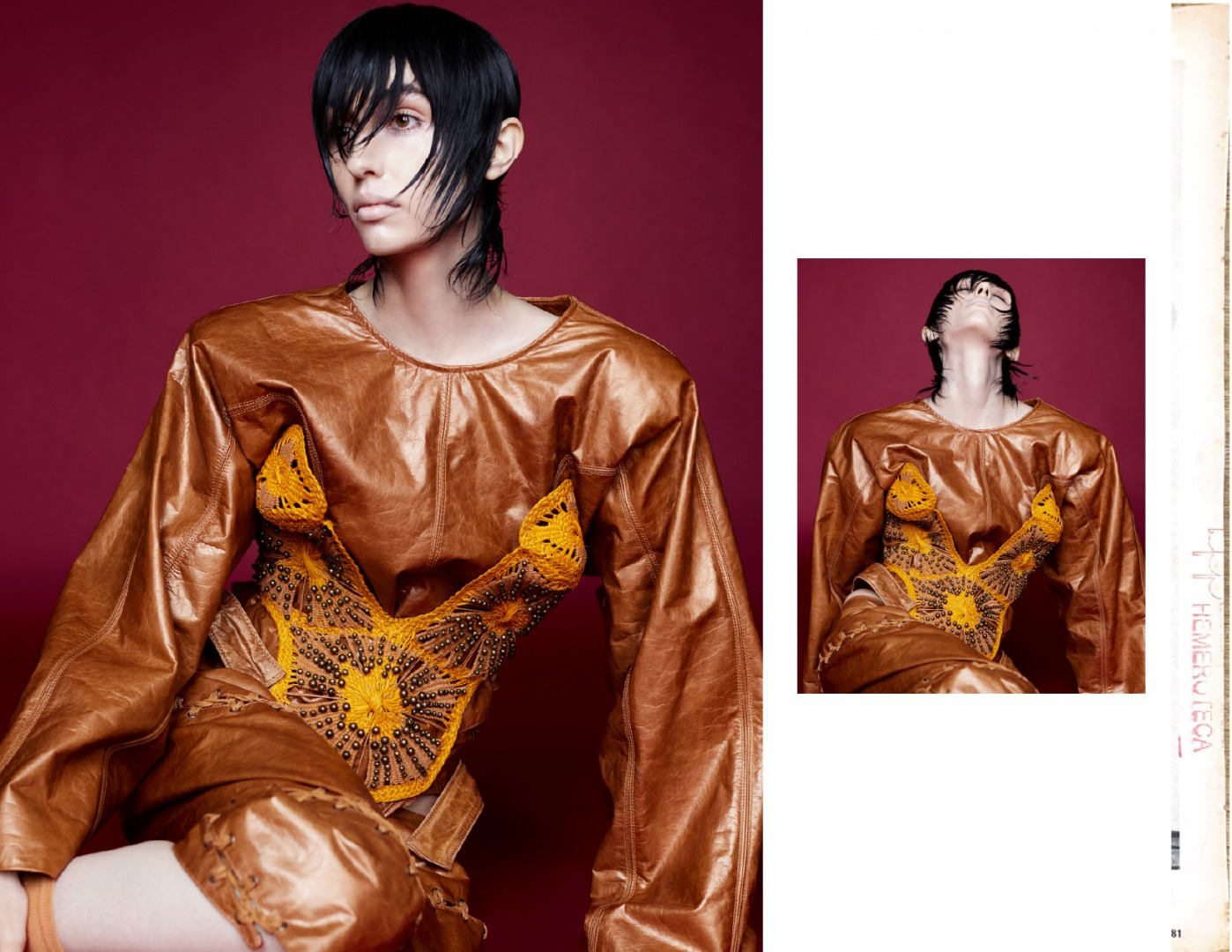
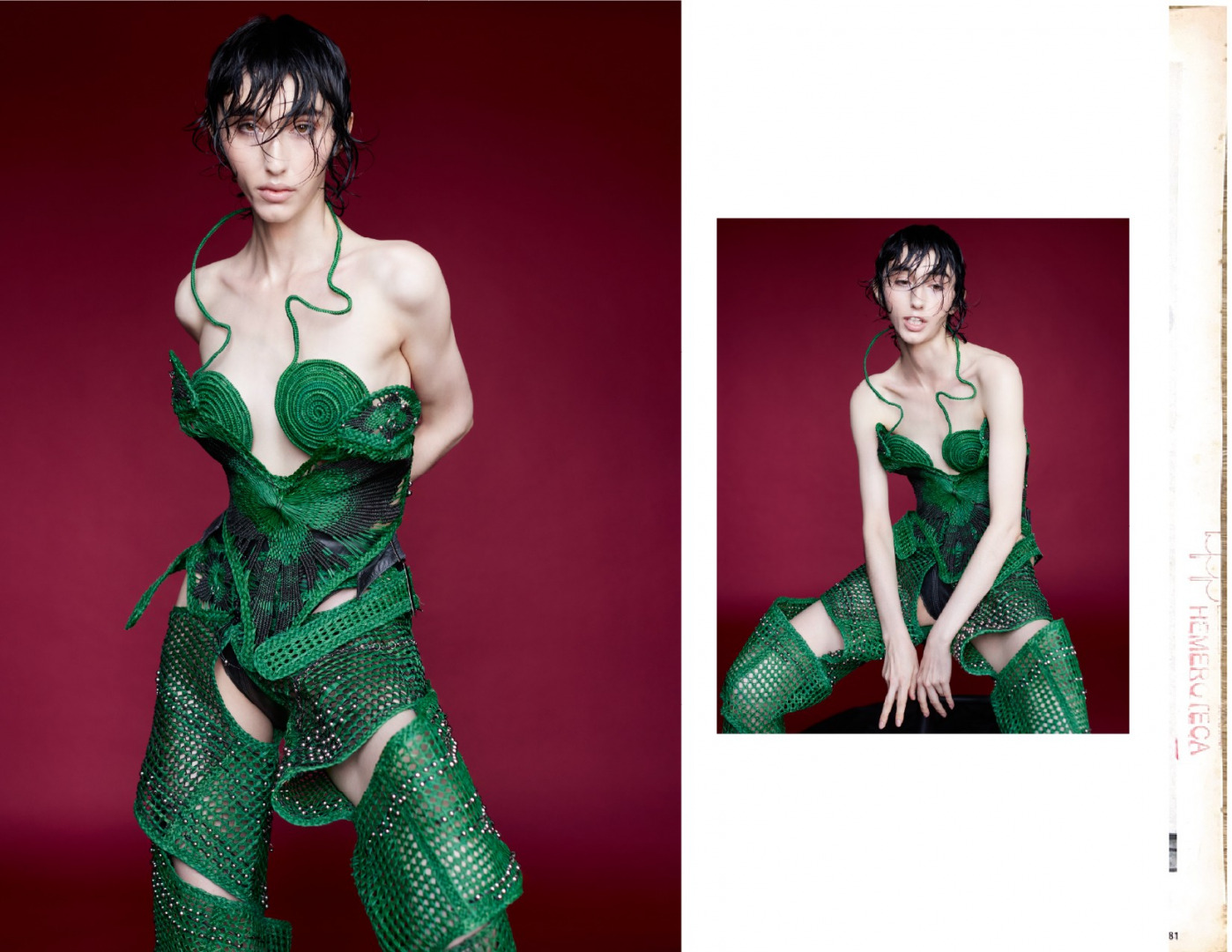
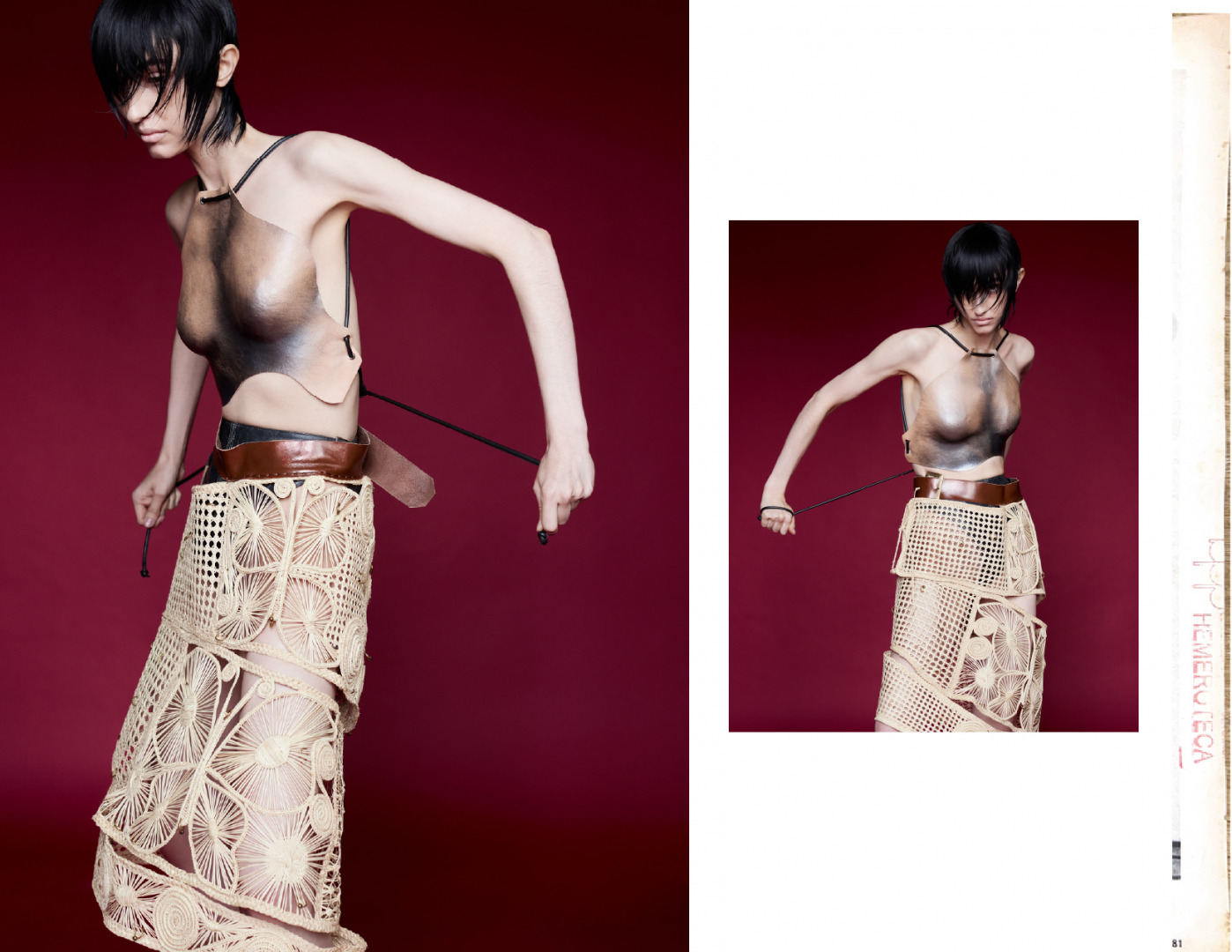
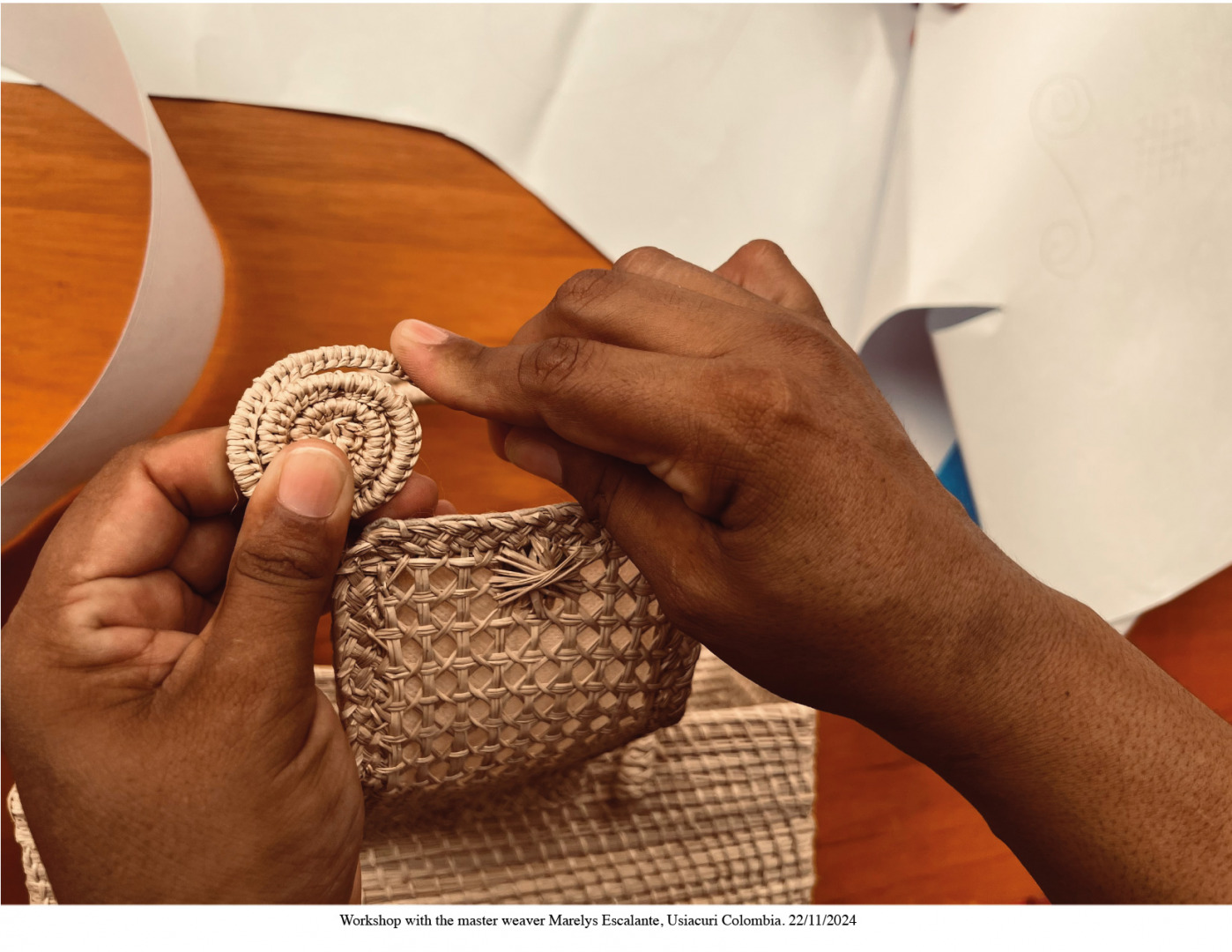
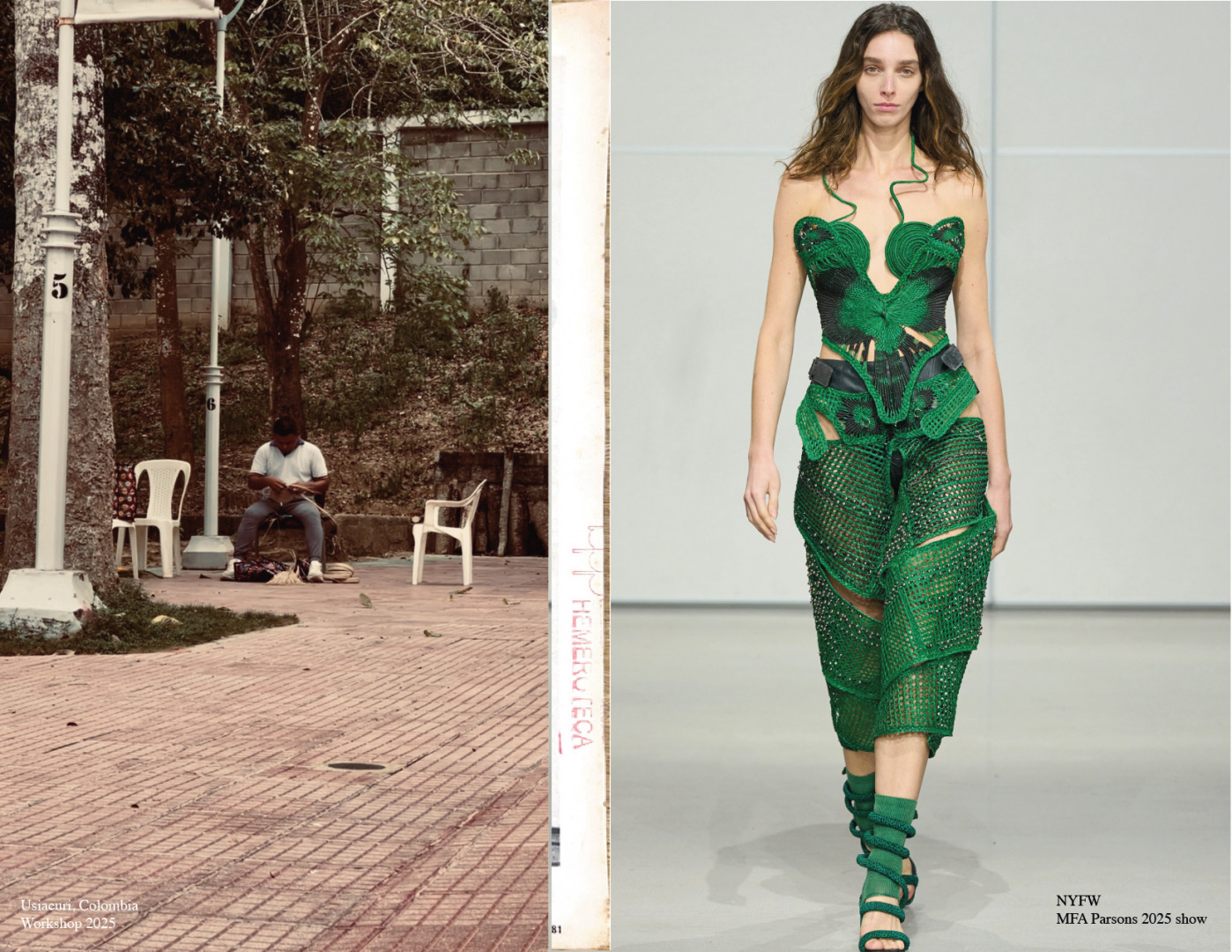
This is how the idea of working with artisan communities, mainly led by women, was born. For example, the work with artisans featured in “Skins for Undomesticated Thoughts” was developed in collaboration with Marelys Escalante, a leading weaver who believed in my idea of making clothing with iraca palm and with whom I was able to set up an experimental laboratory within her artisan community in Usiacurí, Colombia. This workshop aimed to understand how we could use the material to create clothing. Over the course of a year, we worked together to develop this idea until we created a collection of around seven pieces, including pants, corsets, kimonos, skirts, and shoes. The collection was presented at the 2025 New York Fashion Week at the MFA Fashion Design and Society show at Parsons School of Design.
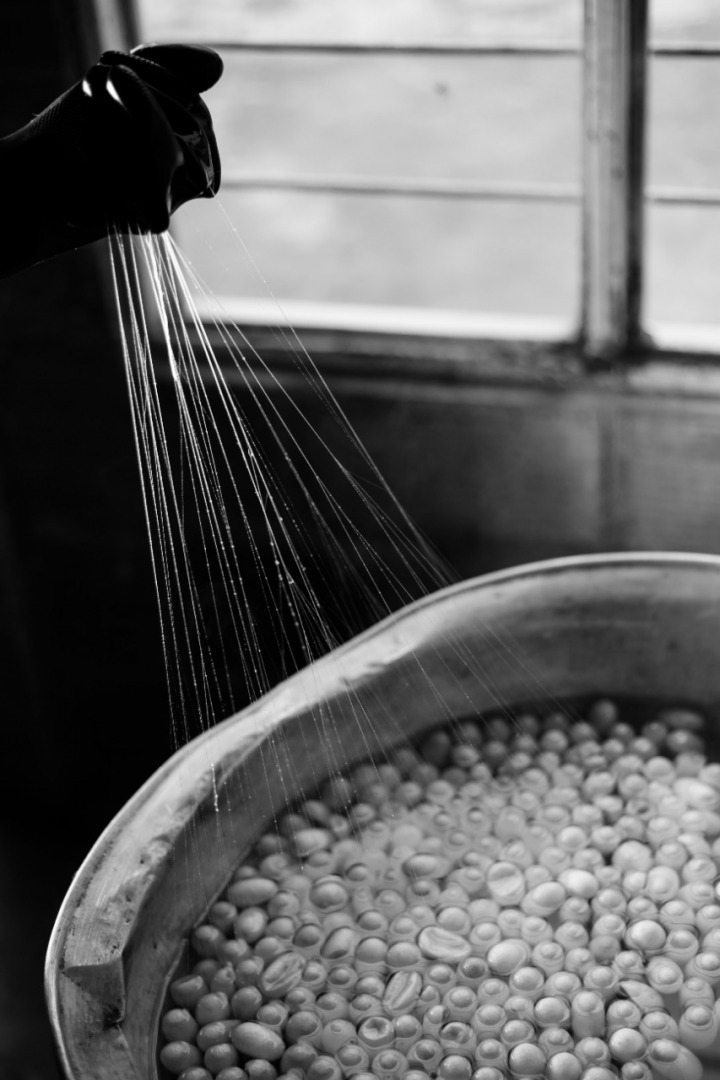
This collection has a precedent. My collection, “The Silk Road,” which I developed with the Corseda cooperative, an organization of families from Cauca (in southern Colombia) who, in conditions of limited resources, carefully devote themselves to silk production (from silkworm breeding) and artistic creation using the material. This is how, through my practice, I build bridges that translate into collaborative, careful, and controlled work (by familiar, friendly, and admired hands). I chose to focus on manual labor, and I want to be incisive and honest. By learning the craft, I understand how to bring attention back to what is done with ancestral knowledge, with the hands, and with patience. And also to contribute to the agency that belongs to these communities for their knowledge and contribution to the visual culture of the territory.
I would like to add that each of these creative processes and collections involves careful research into the materiality and its impact on the environment. Both collections use materials that are familiar to the communities, cultivated by them, and handled with knowledge and care. These materials are native to the area and, when woven, become imbued with memory and meaning. Iraca palm and silk, materials that are patiently cultivated and woven.
Let’s talk shop? Tell us more about your career, what can you share with our community?
My brand was born from the urge to hold a singular voice. A Colombian cult brand with an identity that doesn’t ask for space but creates it. I see it as an alchemy: part observation and part research into countercultural movements that have questioned and reimagined what “the feminine” can mean in Colombia. I’m excited about how the mix of these two essentials taps into new conversations about women’s physical and intellectual agency and becomes the conceptual backbone of my work. There is a deliberate and unapologetic boldness implicit in every corner of the brand. A boldness that is expressed through traditional ideas of sensuality to drive exaggerated, almost rebellious versions of the female silhouette. I want to be emphatic that the core values of the brand are deeply connected to the craft knowledge of artisans from my native Colombia and LATAM, grounding its irreverence in cultural memory, inherited skill, and quiet resistance.
What has become the more familiar process to me is translation. It means using this unique lens to translate into textile experimentation and design. By applying a rigorous process of material and conceptual development and research that pushes each piece beyond its physical objecthood.
The biggest challenge has been: As a recent graduate and emerging Latinx designer building my brand from New York City, one of the biggest challenges I have faced is gaining access to the resources and visibility necessary for a brand centered on cultural practices and craftsmanship within a market as competitive as the luxury market. My work relies on the art of collaboration with Latinx artisans, a slow, quiet, careful process that advocates for sustainability and involves high production costs and long lead times. For example, producing small batches with plant-based fibers can take some months, which limits my ability to meet the commercial timelines expected in the luxury market. This also affects my artisan partners, as small and irregular production cycles make it difficult to give them predictable, stable work timelines. As these objectives are essential to my mission, over time, it has been challenging to figure out how to sustain them in an environment as fast-paced and financially demanding as the fashion industry.
If you had a friend visiting you, what are some of the local spots you’d want to take them around to?
If my best friend came to New York, I wouldn’t try to show them everything. I’d let the city reveal itself slowly. We’d start by visiting the Noguchi Museum, designed by artist Isamu Noguchi, to see its design language experiment quiet and stillness.
with long walks downtown, drifting through the Lower East Side and Chinatown, getting coffee somewhere small,
stopping into bookstores or galleries just because the door was open. We’d eat dumplings or noodles, nothing fancy, and keep walking.
I’d take them to Participant Inc., one of my favorite spaces in the Lower East Side — a non-commercial gallery focused on experimental and socially engaged art. It’s quiet, thoughtful, and rooted in process rather than spectacle, the kind of place that makes you slow down and actually look.
Then we will go back to the ‘Cœur’ of Manhattan. We’d stop at the Chelsea Hotel, not as a tourist landmark but as a pause by sitting there. It’s one of those places where New York feels dense and intimate at the same time. Then we will walk to visit fashion vintage curated shops such as ILA, Lara Koleji, and James Veloria.
At the end of the day, we’d go to the cinema, to the Metrograph to watch an independent film. Here is the list of films that tap into rare universes, and it’s very exciting to get references from them, or just to experience new points of view.
I’d want them to feel New York the way I do: through walking, food, art, and chance encounters. What excites me most isn’t a single place, but the mix of people and stories. It’s a city that rewards curiosity and attention, and that’s the version of New York I’d want to share.
Shoutout is all about shouting out others who you feel deserve additional recognition and exposure. Who would you like to shoutout?
I would like to dedicate my shoutout to Marelys Escalante, an Iraca palm weaving expert from Usiacurí, Colombia. Together, we collaborated on a collection of seven looks for the NYFW 2025 Parsons MFA show. Over the course of a year, guided by curiosity and experimentation, we explored how iraca palm fibers could be transformed into garments such as: pants, corsets, kimonos, skirts, and even shoes.
Marelys believed in my idea of working with the iraca palm as a material for clothing, and together we built an experimental textile laboratory within her artisan community. This process fostered meaningful exchange and strong bonds, expanding the possibilities of the craft and its place within the fashion industry. It became a shared story of womanhood, generational knowledge, Caribbean aesthetics, and entrepreneurship—one that centers collaboration as a tool for community empowerment.
Website: https://www.parraparodi.com/
Instagram: https://www.instagram.com/parraparodi/
Linkedin: https://www.linkedin.com/in/parraparodi1994/
Twitter: https://x.com/parraparodioff
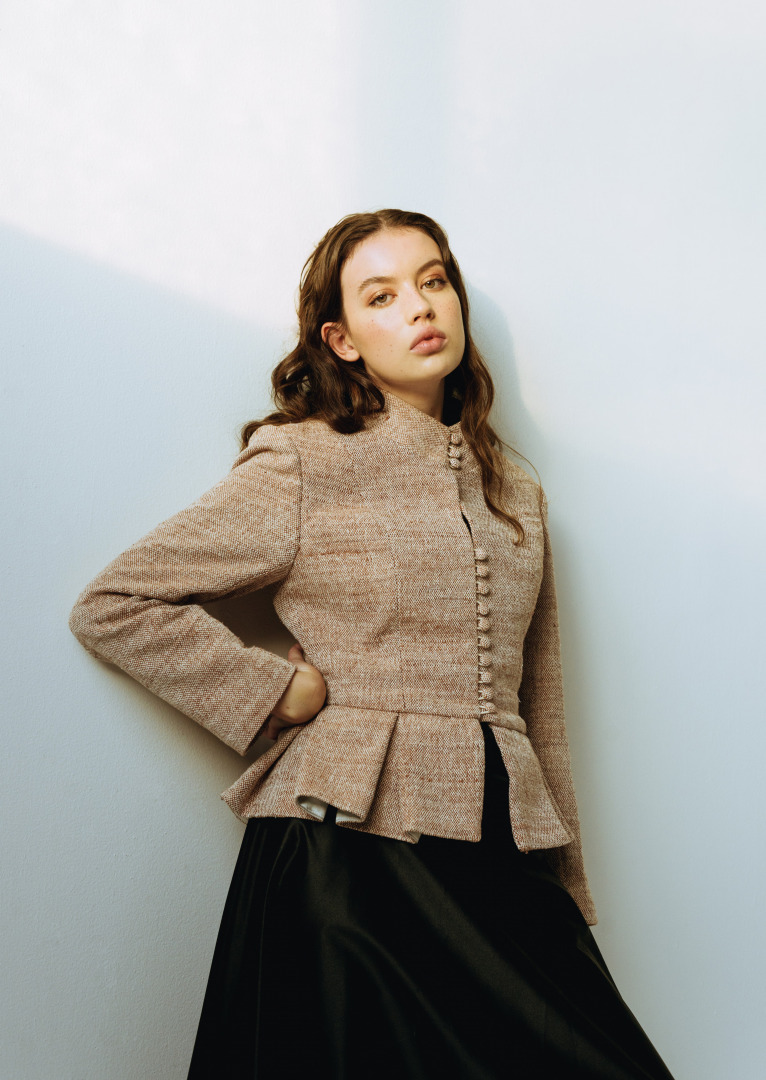
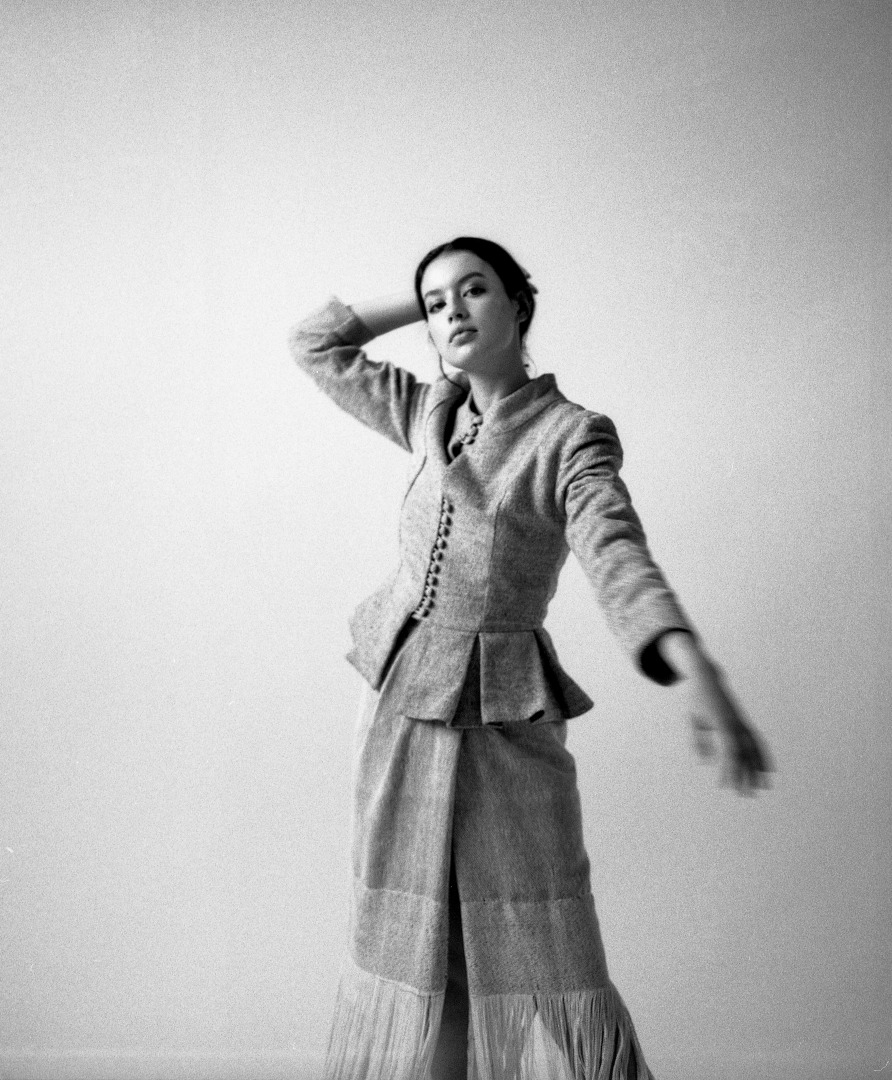
Image Credits
Images from 1,2,3
Andrés Oyuela, River Rose, Cristóbal Velásquez, Johana Montoya, Melina Feijoo.
Image 4
Alejandra Parra
Image 5
Madison Voelkel
Image 6
Miguel Varona
Image 7,8
Moises Cuartas


