Meet Camil Téllez
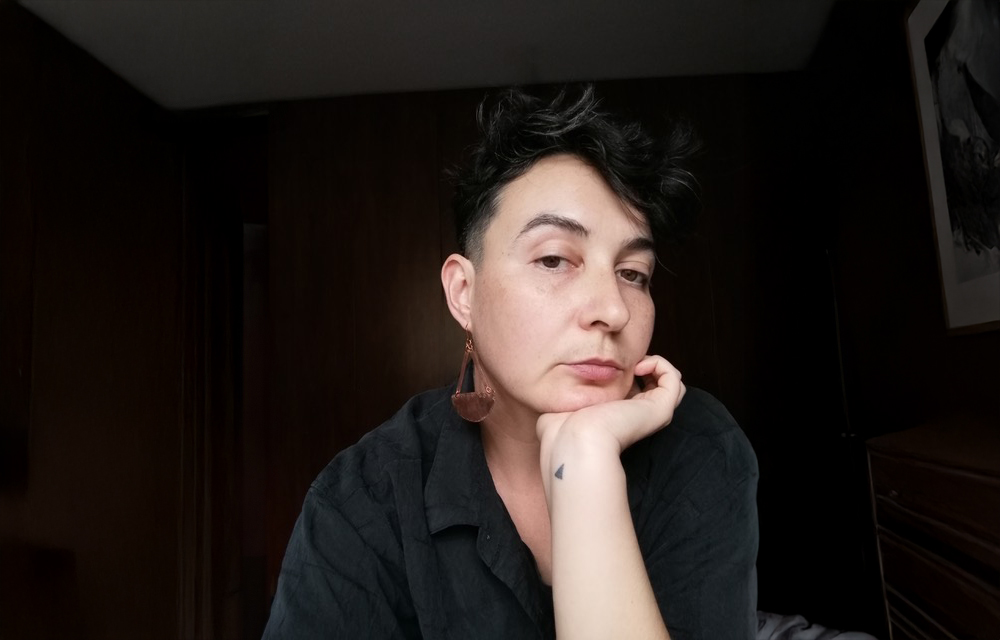


We had the good fortune of connecting with Camil Téllez and we’ve shared our conversation below.
Hi Camil, where are your from? We’d love to hear about how your background has played a role in who you are today?
I was born in Santiago, Chile, and I am originally from the municipality of Puente Alto. Part of my family still lives there or nearby. Santiago is a huge city, but the area where I come from always made it easier for me to get closer to the mountains, to minerals, and also to trees. I spent much of my childhood climbing them. I think the geography and the particular conditions of that natural environment have left a strong impression on me. A kind of spatial and bodily memory that is very strong.
I studied visual arts in Santiago (2000), where I graduated in painting, but I quickly redirected myself towards the search for different medias of expression, ranging from drawing and writing to performance and its documentation. I felt a bit like an outsider in my context. I spent several years working as a drawing assistant at the university where I studied, Finis Terrae University, but in the long term, the academic environment stifled me. You learn and repeat formulas, which bored me and took away my perspective. So facing a crisis, I ended up moving like many artists, and leaving my country to seek other ways of learning as well as opportunities. I lived in Berlin in 2012, where I became more and more involved in performance art. In 2013, I continued my studies in Madrid, pursuing a master’s degree in Performing Arts and Visual Culture at the Reina Sofía Museum. That was a complete change of perspective because I came from a background of more object-based image representation and framing and my university was quite formal. Suddenly, the scenic world blurred boundaries, helping me become aware of different spaces and who occupies them, of the space of the audience or “the public,” and of theatricality as an expanded issue in life itself, of the role of fiction in our way of seeing reality. In addition, this change happened alongside my migration. A year later, I moved to northern Spain, to Bilbao, with fellow students, where I still live today. The performing arts taught me to understand practices as something collective or collaborative, which is not obvious when you come from the visual arts, which often involves solitary work in your studio. I am grateful for that learning experience, although today I isolate myself a little again as there are creative processes that can only be resolved by oneself.
Let’s talk shop? Tell us more about your career, what can you share with our community?
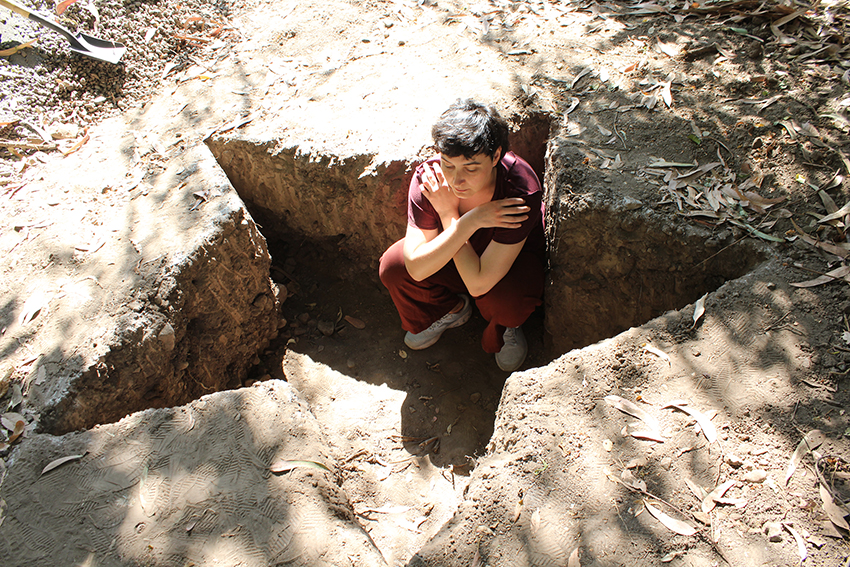
I am a transdisciplinary artist who is constantly exploring experimentation and new ways of making art, from performance and writing to audiovisual media. I am interested in narratives and other forms of the literal. I have a strong focus on creative and transformative processes in art: who you are when you start a project and who you end up becoming, or what transforms in you as you go through it. I usually go on this journey collectively with other artists, although there are some journeys that only you can make. I think an artistic project should transform you, help you dissolve or soften traumas, reconnect with memories, and bring you a little closer to who you are. In particular, art has helped me inhabit spaces, create refuges, cope with migration, sexual and gender dissidence, reconnect with memories of my body, and understand the submission and domination that define my history of colonialism and dictatorship in Chile.
When I think about art, migration, and queerness, I think about how we often need to leave our place of origin because of the rules that define your body in that specific space, and how, by changing places, there is the possibility of reinventing the rules of your own body. That has been art for me. It hasn’t been easy. You become an alien who belongs to itself, so to speak. Recently, I received a late diagnosis of autism, and suddenly a lot of things that were difficult for me began to make sense. It is a journey that I am just beginning, but it makes me re-read my work and my history from a totally new perspective and helps me understand myself better, as in the project “Transición Primaveral” (2020-22) carried out in collaboration with Eszter Katalin. This is a miniseries about a queer vampire, based on my special interest and childhood game, when I interpreted my gender as “vampire” at the age of twelve. Many things intertwine in this piece: a childhood under dictatorship, the arrival of neoliberal economics in Chile, and my sensory sensibilities, identity, and rules that only an autistic, queer vampire could fully understand.
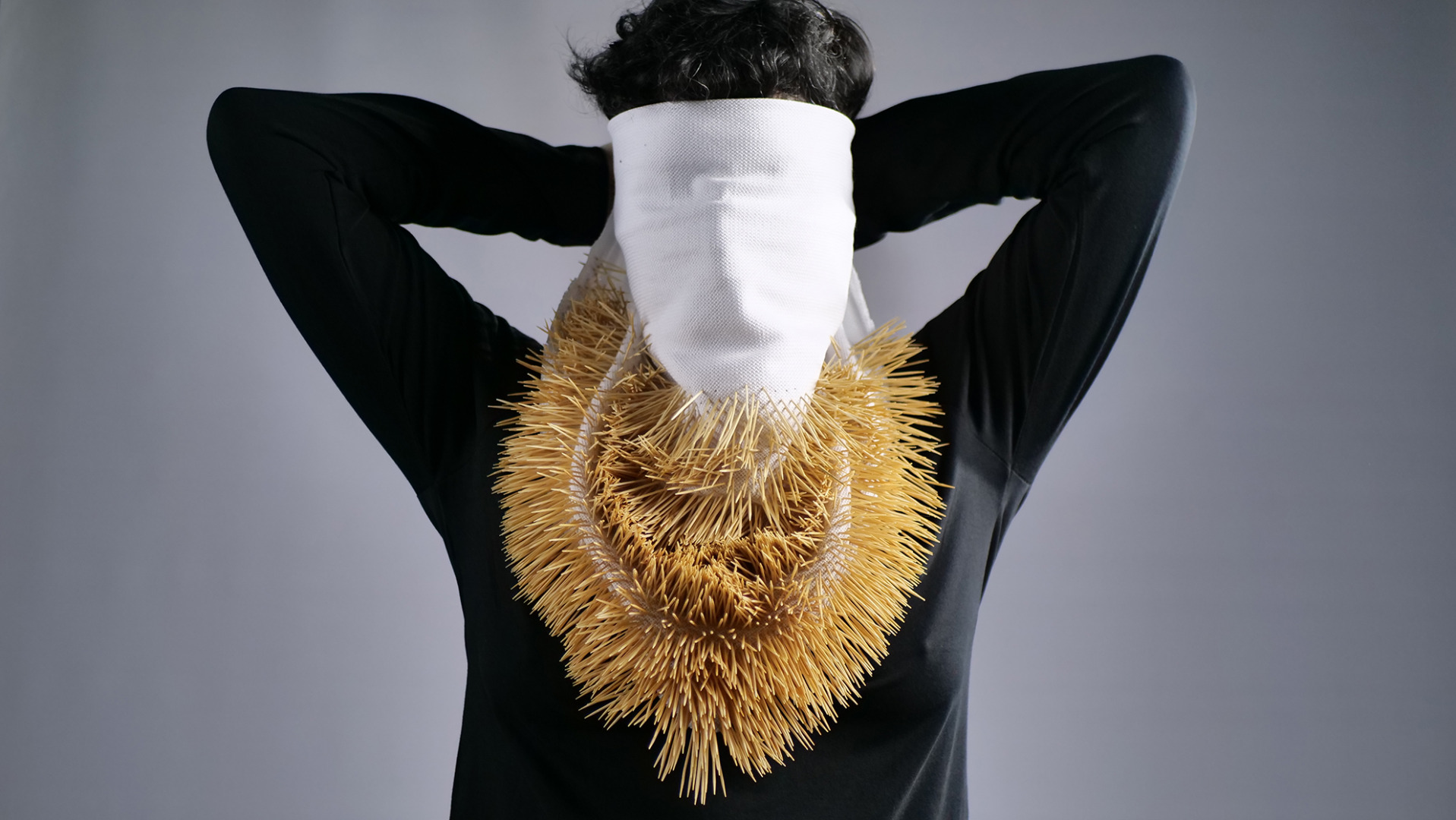
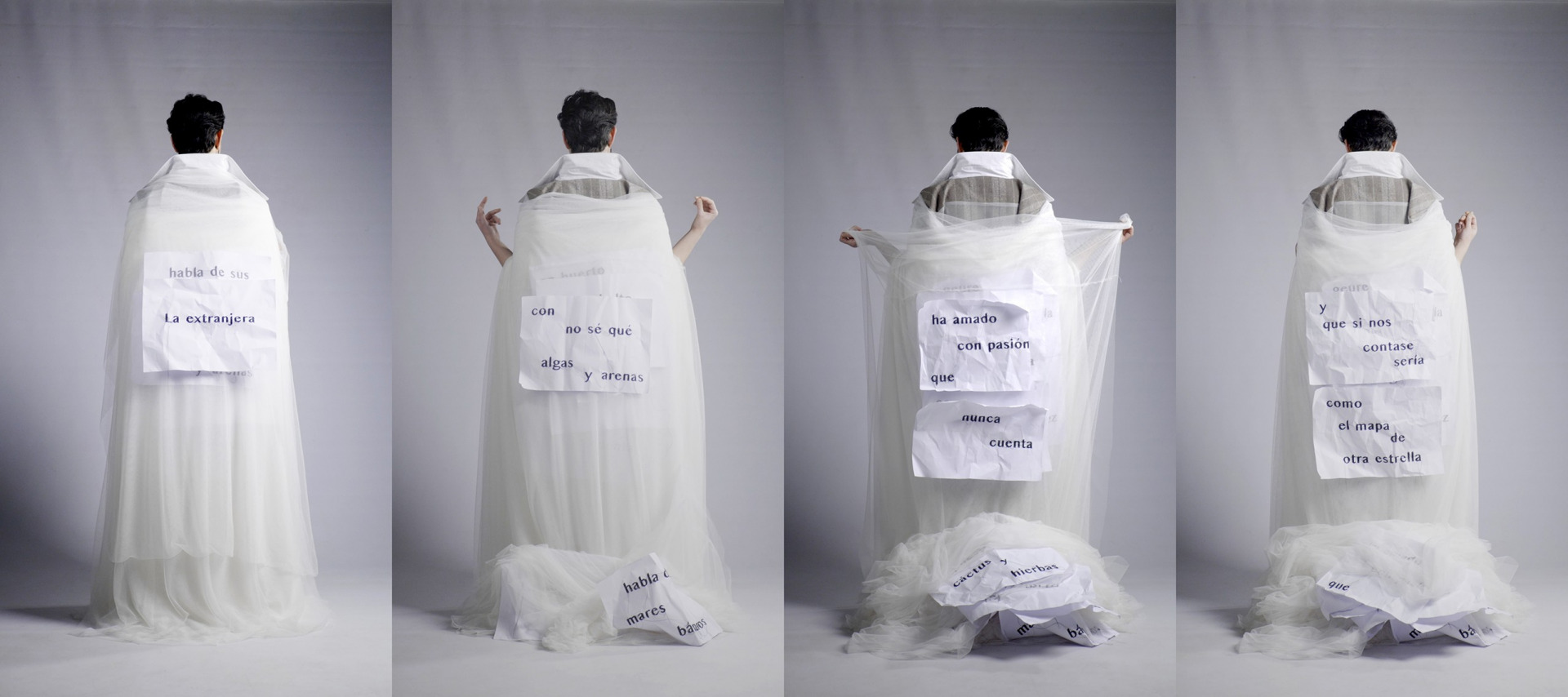
And in my latest project “Lagar” (wine press), created in collaboration with Eszter Katalin and MAL Studio Custom Project (fashion designer), I incorporated objects into my performances, readings, videos, and photographies, which I now understand as necessary gestures of stimming. The project is based on the work as well as on the migrant and lesbian life of the Chilean poet Gabriela Mistral, especially her epistolary work, the letters to her American partner Doris Dana and some of the poems from her books “Tala” and “Lagar” to re-read her story from the perspective of sexual dissidence, which, at least in Chile was always hidden.
If you had a friend visiting you, what are some of the local spots you’d want to take them around to?
I’m going to answer this question as someone with autism, because I don’t think Bilbao is a friendly city for neurodivergent people. If you can tolerate noise, crowds, and humidity, the old town has plenty of bars and cafes, but it’s not suitable for people with noise sensitivity or social avoidance. I would definitely recommend the Biscayan coast, where there are many beautiful beaches such as Larrabasterra, Sopelana, and Plentzia, which you can reach by metro and find quieter bars or take your picnic. There are also nearby mountains where you can escape, such as Arraitz. A quiet café with soft music that I recommend is Miss Café, which is not Basque at all, but has good coffee and several caffeine-free and alcohol-free options.
Another option for people with light sensitivity is the Azkuna Zentroa – Alhóndiga Bilbao Cultural Center, which has temporary exhibitions and cinema, but above all, it has a wide hall with reduced lighting that can help regulate excess stimuli.
Who else deserves some credit and recognition?
Throughout all this time of experience, there are many people who build a life with you. It would be very difficult to name all the groups with whom I learned and grew. There are people and moments, but if I focus on the present, my partner and co-worker, the Hungarian artist and filmmaker Eszter Katalin, is a fundamental person in my growth, both personally and artistically. Her social sensitivity, her LGBTQ+ dissidence, and her constant questioning of the structures that surround us have become a dialogue of shared life. We have collaborated on several projects and currently form the artistic duo “Drága Cardo,” focused on eco-feminism and lesbian and non-binary perspectives. She teaches me every day, and her artistic practice is a true gift. She has also been a great support in my late diagnosis of neurodiversity. It is important to keep close to people who value you and do not judge your differences.
Another great friend who helps me feel at home in the Basque Country is the sound artist and performer Myriam rzm, whom I have known for almost 10 years. Their unique way of being, of managing time, sound and improvisation, of combining nature and synthesizers, of living their agro-kuir rurality and respecting their own timing is impressive. They are a person full of life from whom I have learned a lot. Also, my great friend and colleague Joel Englund, a Swedish artist, constructor, and DJ Jolie, with whom we have ventured together into a residency project for artists in need of resting and non-production, “DAS. Thinking in refuge program for artists,” is an important person in my life. Our long conversations about ways of living, emotions, and class injustices are almost therapeutic for both of us. He is a sound and object artist with tremendous ecological sensitivity.
And how could I forget my artist friends from Chile, Sebastián Mahaluf, to whom I owe much of what I learned in my early years as an artist, and Josefina Abara, an artist of unique complexity and sensitivity. Each of them, from central and southern Chile, expands my emotional map. They are excellent artists, thinkers, and educators with whom I share a sense of complicity, a feeling of home, humor, and a geographical sensitivity that only exists in places of immense natural beauty.
Many others are part of my history and my present in the Basque Country, organizations formed by people who have supported me, such as Histeria Kolektiboa in Bilbao and Azala Kreazio Espazioa in Vitoria-Gasteiz, the researcher and curator Aimar Arriola, or friends from the dance field with whom I have shared lives, such as Ibon Salvador and Isaak Erdoiza.
Website: https://vimeo.com/camilatellez
Instagram: @camil_tellez
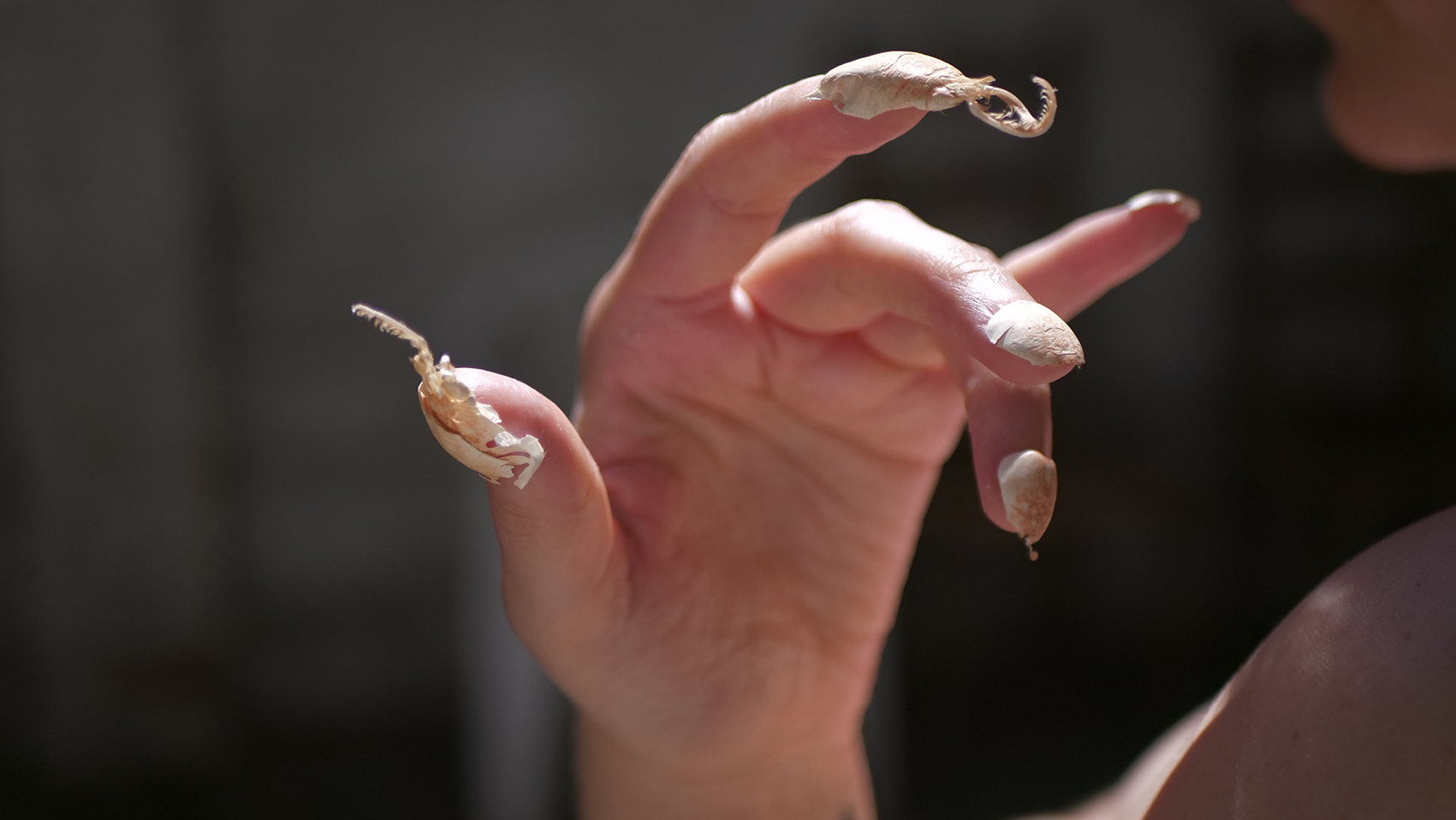
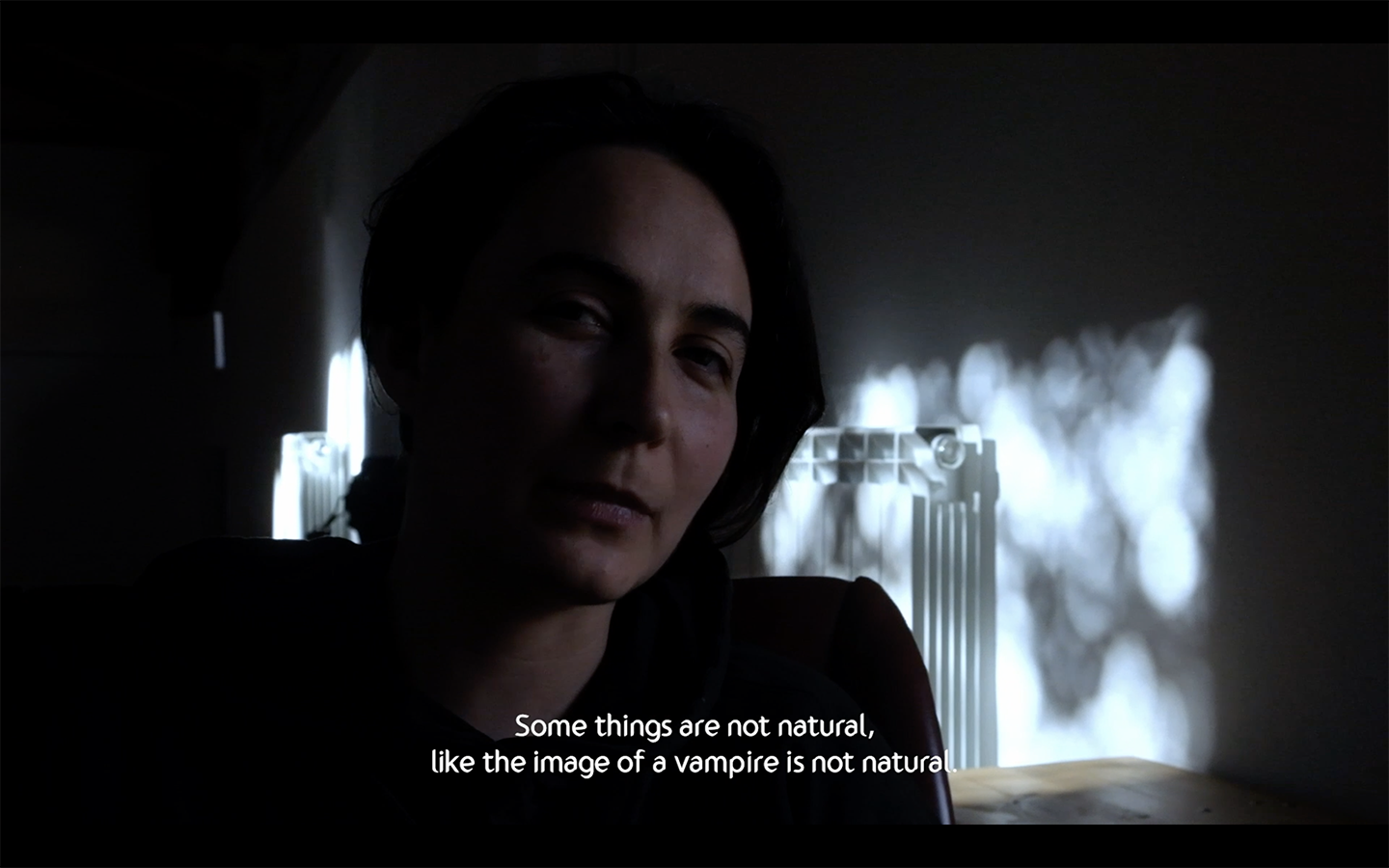
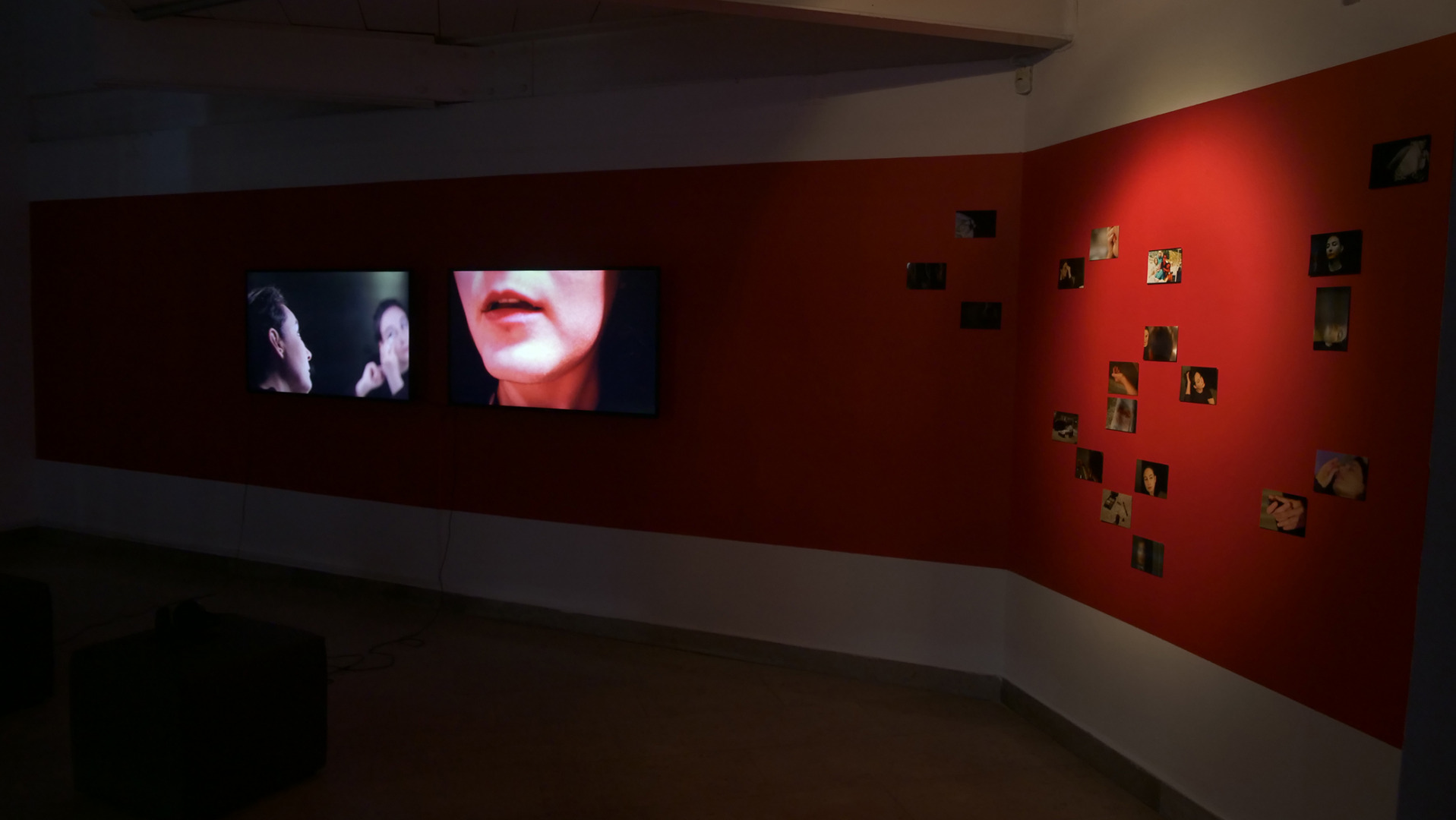
Image Credits
Image 1: “Estrella”, 2025. Camil Téllez
Image 2: “Pañuelo II (Zapia)”, 2024. Camil Téllez
Image 3: “La extranjera”, 2024. Camil Téllez
Image 4: “Snails”, 2023. Camil Téllez
Image 5: “Transición Primaveral”, 2020. Camil Téllez and Eszter Katalin
Image 6: “Transición Primaveral” 2022. Eszter Katalin