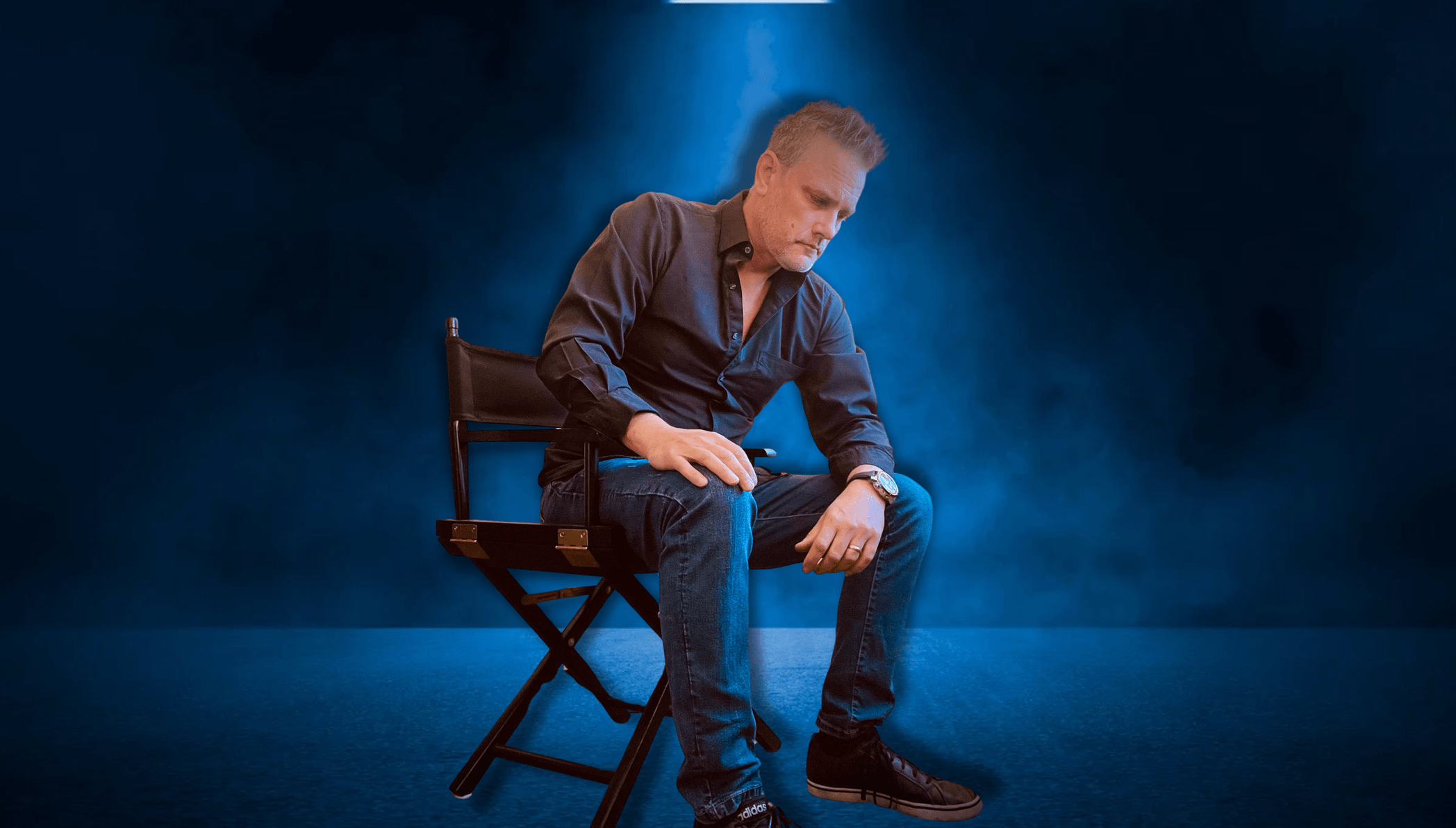
Meet Clayton Guiltner | Producer/Director
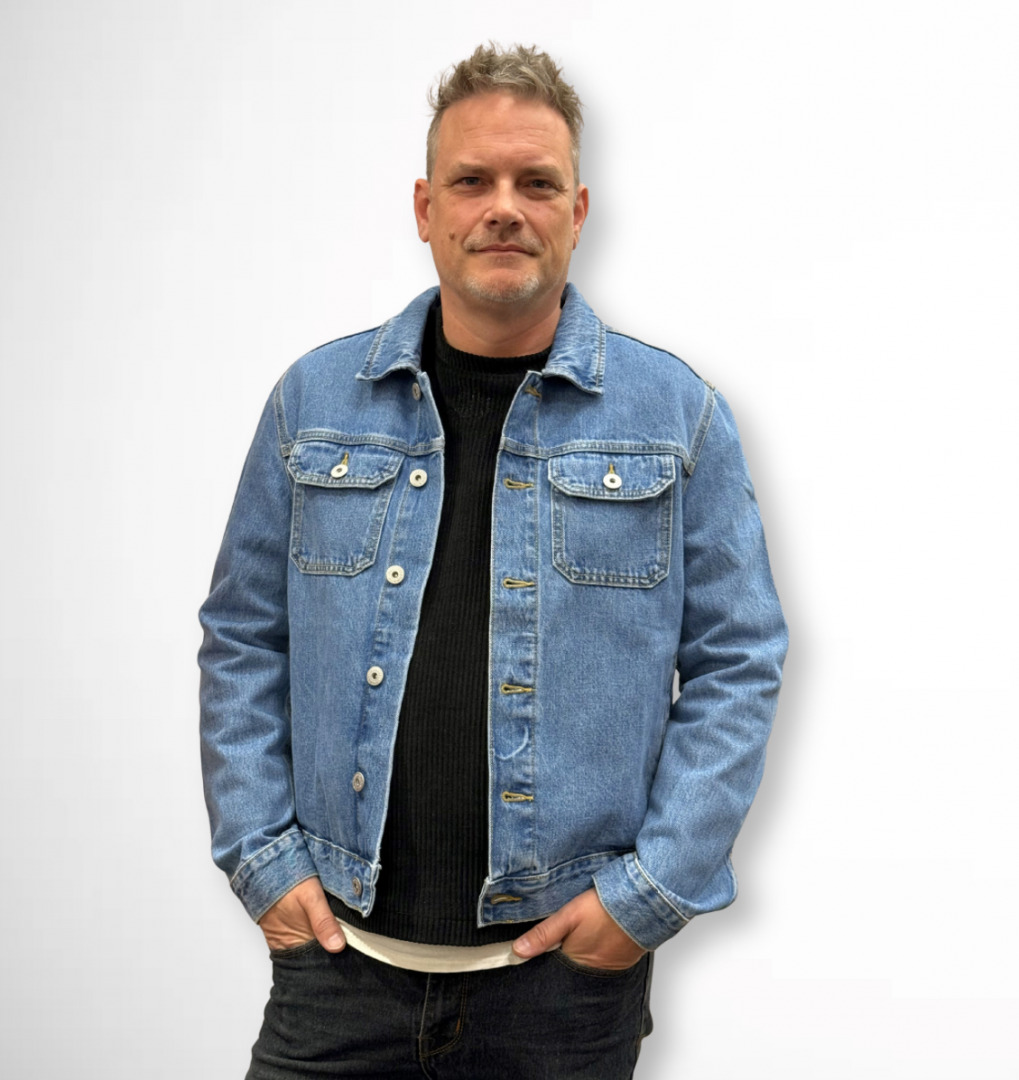


We had the good fortune of connecting with Clayton Guiltner and we’ve shared our conversation below.
Hi Clayton, can you talk to us a bit about the social impact of your business?
We live in a moment where people are searching for connection, for meaning, for proof that they are not alone in what they carry. I believe art is one of the most powerful responses to that hunger. My approach as a filmmaker and theatre artist is rooted in the philosophy of Molière, the great French playwright who believed theatre should be a mirror held up to society — using humor and entertainment not as an escape from truth, but as its most effective delivery system. When people are genuinely engaged in a story, their defenses come down. That is when something real can get through.
My films don’t wade into the headlines of the day, but they engage with what I believe is the defining challenge of our time — the universal human need for love, acceptance, and belonging. These themes sit at the root of mental health struggles, family breakdown, and the quiet suffering so many people carry without ever naming it. My company exists to tell honest, entertaining stories that take the full weight of human experience seriously — and still find their way to the light.
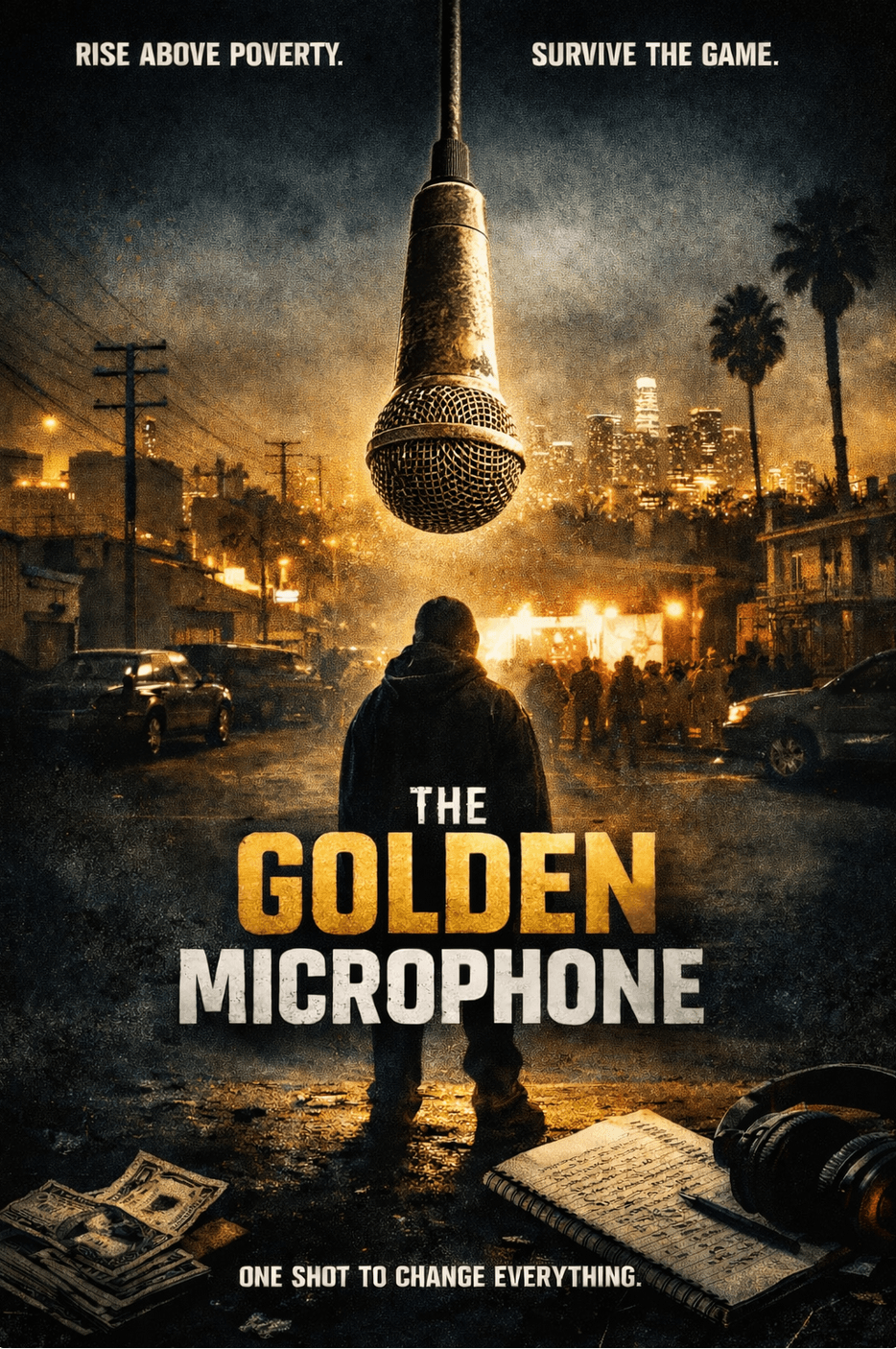
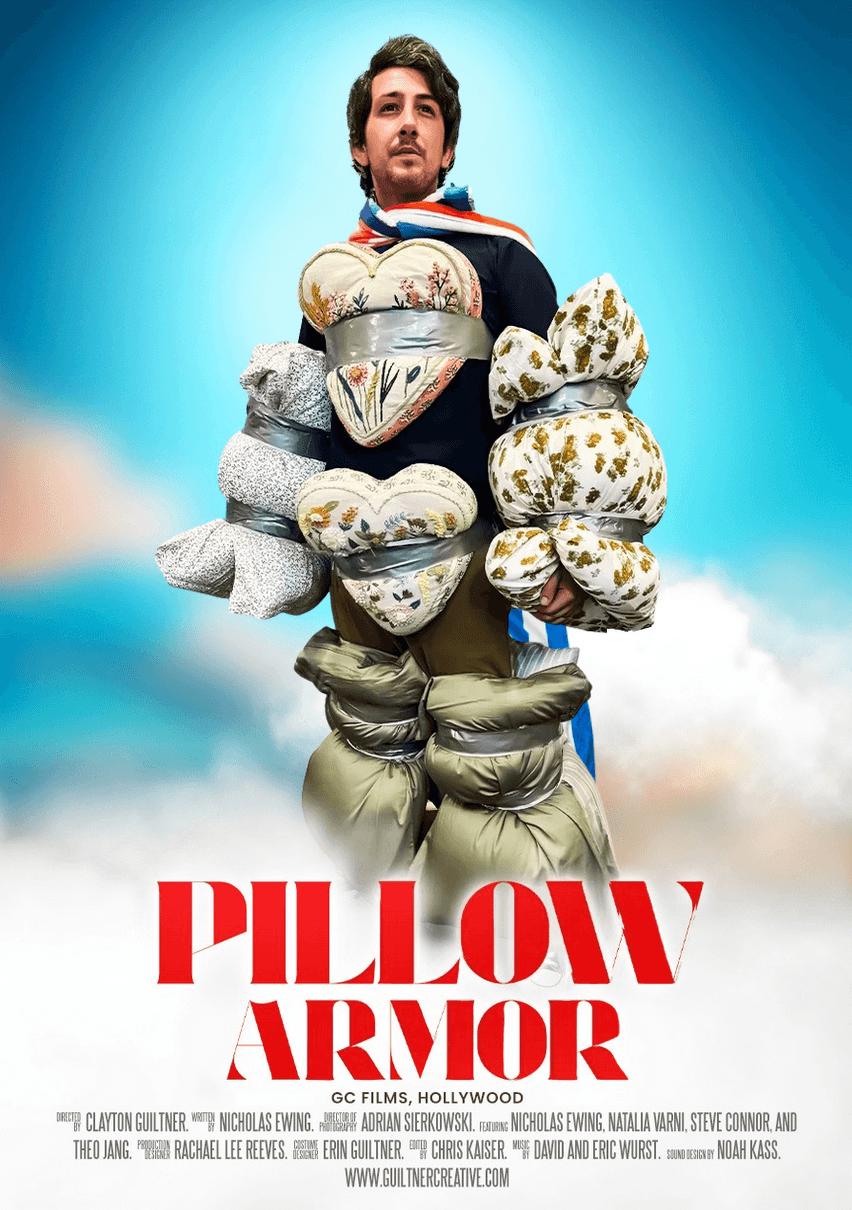
In Pillow Armor, my recent romantic comedy, a story of grief, emotional walls, and the courage to open your heart after being broken is wrapped in genuine warmth and humor, inviting audiences to sit with it. My current film, The Golden Microphone, follows a gifted seventeen-year-old rapper from Lynwood, South LA, navigating family obligation, exploitation, and the audacious dream of becoming something more than his circumstances suggest he should be. For young people in communities like his, a film like this is not just entertainment — it is recognition. It says: your life is worthy of a story.
In a time when so much of our media reflects division and despair, we choose to tell stories where people grow, where families find their way back to each other, and where an unlikely hero discovers that his voice was always enough. Art has always been how communities process what they cannot otherwise say. We are proud to be part of that tradition.
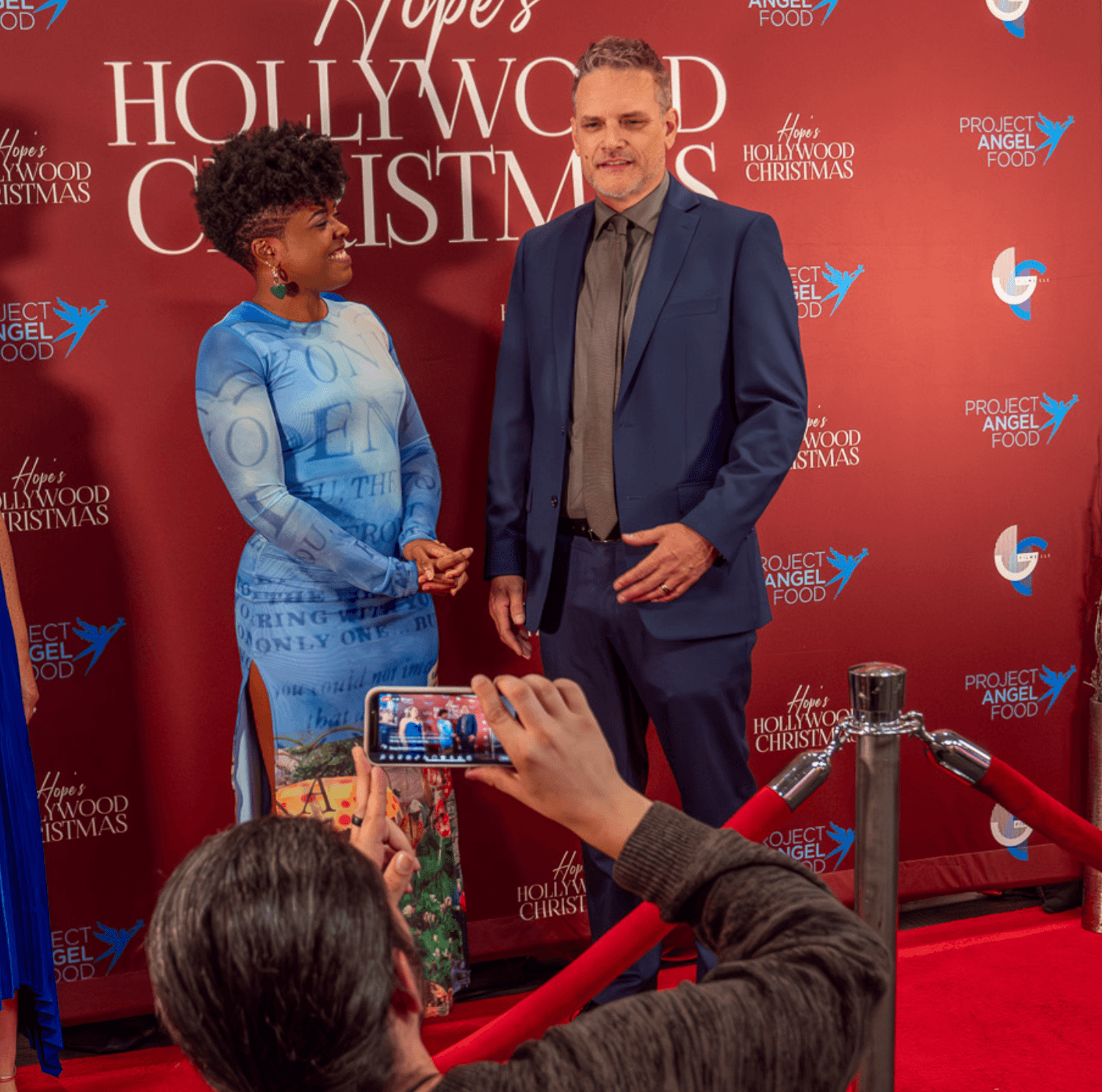
Can you open up a bit about your work and career? We’re big fans and we’d love for our community to learn more about your work.
Honestly, it all started pretty humbly — school plays, church productions, a little community theatre. Nothing glamorous. But those early experiences gave me something I didn’t even have a name for at the time: a tribe. A place where a shy kid could come out of his shell, find his voice, and just feel at home. Theatre did that for me, and I’ve never forgotten it.
I started as an actor, but the real turning point came my senior year of high school when I directed our spring musical, Seven Brides for Seven Brothers. Looking back, that was everything — a crash course in leadership, in collaboration, in what it actually takes to craft a story that moves an audience. I didn’t know it then, but I was already becoming a director.
From there I went all in — a Bachelor of Arts in Theatre, a Master of Fine Arts in Directing, and a Master of Arts in Business Leadership. But I was never just a student. I was working professionally at the same time, acting, directing, teaching, building my own theatre company. It’s been quite a roller coaster, and now that journey has led me to running my own film production company.
What sets me apart? I think it’s the bridge. After years of directing live theatre — learning how to use space, timing, character, and a live audience’s energy in real time — I’m now working to bring all of that into my film work. Theatre trains you to be intentional about every single choice because you can’t hide behind editing. That discipline shapes everything I put on screen, and I think audiences feel it even if they can’t quite name it, and sometimes it might even rub them wrong way and they might disagree with my choices. But that’s the price of being vulnerable and making choices as a storyteller.
As for the journey — look, it hasn’t been easy. Funding and opportunity have never just fallen into my lap. This industry is relentless and exhausting, and I’d be lying if I said there weren’t moments where I was just tired and ready to walk away. But I never did. And honestly? The reason is the people around me.
That’s really at the heart of who I am as a leader and an artist — surround yourself with people who are just as passionate as you are, who bring their own flair and fire to the work, and then empower them. Serve them. Because when I see the people around me thrive — the producers, designers, the actors, the cinematographers, the musicians — something ignites in me that nothing else can. That’s what keeps me going. That’s the fun part.
What do I want the world to know? That this is a calling, not just a career. The stories we tell — about love, belonging, family, and the audacity to dream — they matter. Truth be told, I feel like I’m just getting started.
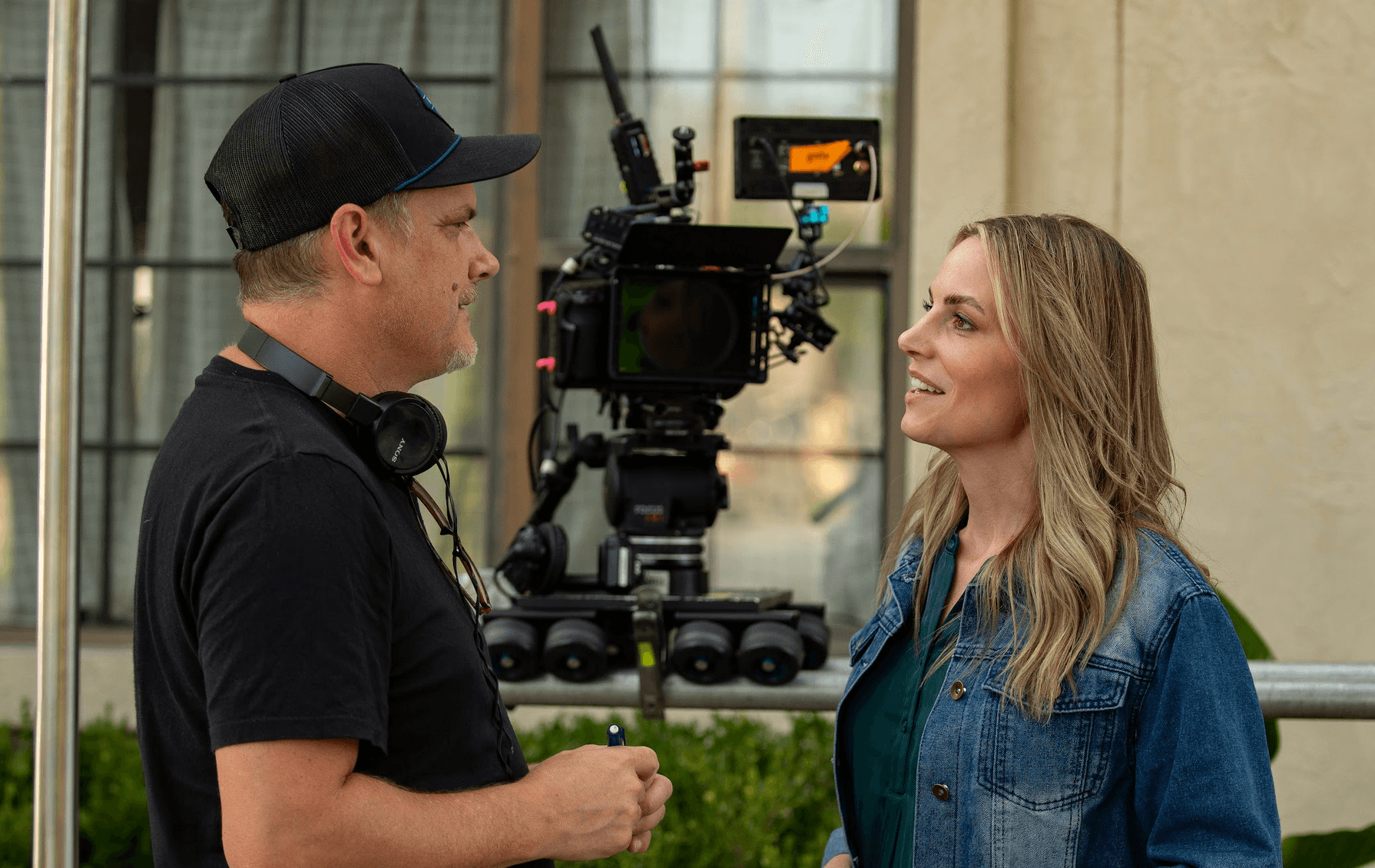
Any places to eat or things to do that you can share with our readers? If they have a friend visiting town, what are some spots they could take them to?
Oh, where do I even start? LA is one of those cities that reveals itself slowly — you have to know where to look. For me, it always starts with the arts. I’d take them to the Hollywood Pantages Theatre, because walking into that Art Deco space feels like stepping into the Golden Age of Hollywood itself. And if we could catch a show at the Ahmanson Theatre downtown, even better — it’s world-class theatre in a beautiful setting, and it never disappoints.
We’d also hit The Getty — free admission, breathtaking architecture, and views of the city that look like a postcard. .
But LA isn’t just about the glamour — it’s about the neighborhoods and the food and the people. I’d take my friend to Eagle Rock or the Galleria in Glendale for some shopping and food. We’d end up at a rooftop spot in Hollywood watching the sun go down over the skyline.
Shoutout is all about shouting out others who you feel deserve additional recognition and exposure. Who would you like to shoutout?
You know, it might surprise people, but one of the biggest influences on my work isn’t a filmmaker or a playwright — it’s Jim Collins, the author of Good to Great and Built to Last. He writes about business, but honestly? His ideas changed the way I think about everything.
What really got me was his “Hedgehog Principle” — this idea that true greatness comes from finding the one thing you can be best in the world at, that you’re deeply passionate about, and that drives your purpose. In a world drowning in content and noise, that kind of clarity felt like a lifeline. For me, it crystallized something I already felt but hadn’t fully articulated: my lane is telling deeply human stories that entertain and uplift. That’s it. And Collins taught me to stay in that lane unapologetically.
He also talks about Level 5 Leadership — this balance of humility and will — and that has shaped how I lead my teams just as much as how I approach my art. Filmmaking is deeply collaborative. No great film gets made alone. So my job as a leader is to create the space where talented people can do the best work of their lives. And his reminder that good is the enemy of great? I think about that all the time. Settling is always a choice — and I try hard not to make it.
Website: https://www.guiltnercreative.com
Instagram: @claytonguiltner
Linkedin: @claytonguiltner
Facebook: @GCFilmsHollywood