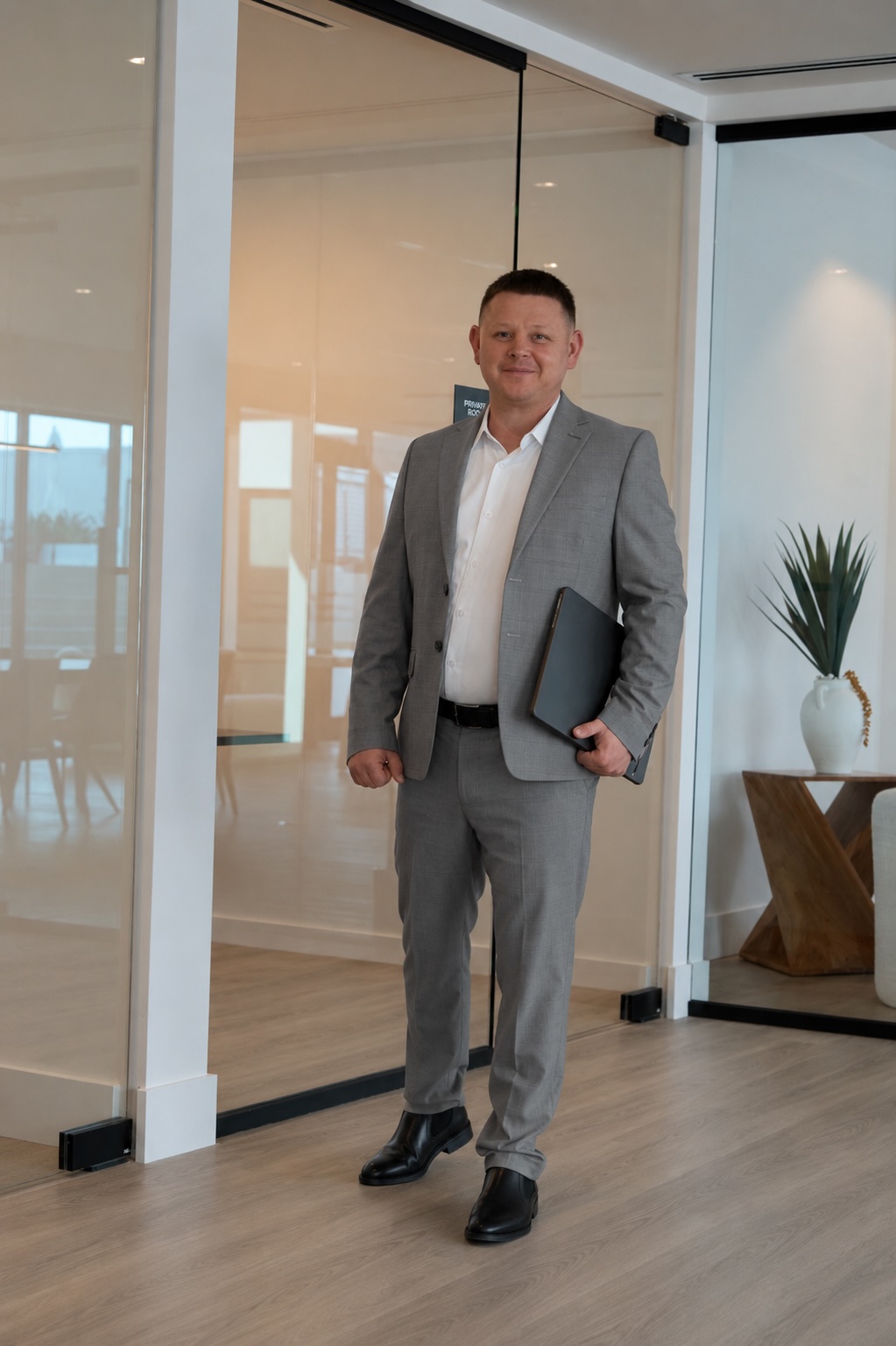
Meet Denis Shchetnikov | Developer of Engineered Door Systems
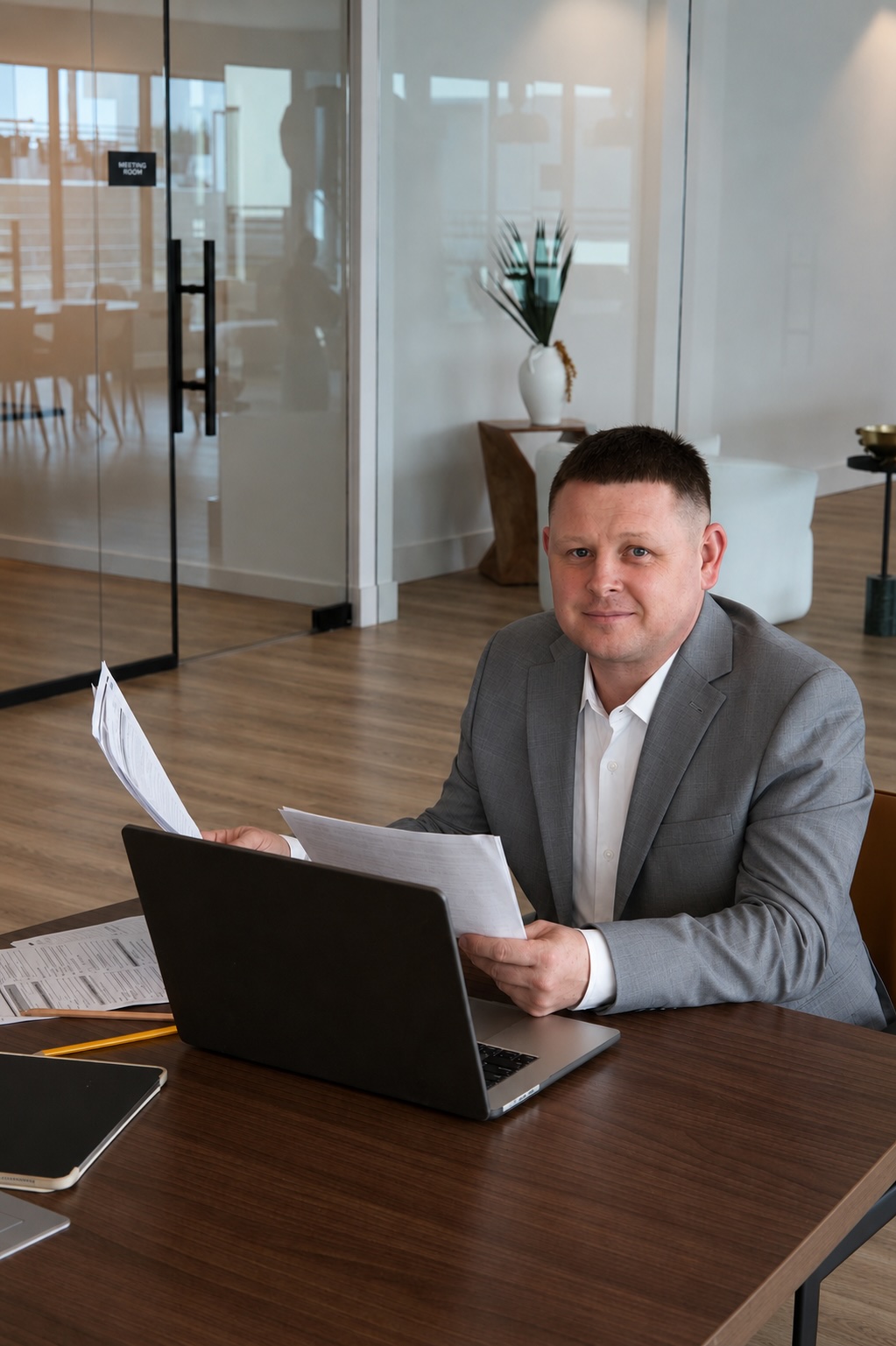


We had the good fortune of connecting with Denis Shchetnikov and we’ve shared our conversation below.
Hi Denis, what do you attribute your success to?
I believe the most critical factor behind my success has been a consistent drive to understand the root causes of problems, rather than merely addressing their symptoms.
Over years of practice, I noticed that many challenges in construction and the installation of concealed door systems recur independently of the specific project, materials, or installation teams. Shifting, unstable geometry, cracking at interfaces, and the constant need for post-installation corrections were frequently accepted as an inevitable part of the process. However, I was always driven by a different question: why do these issues occur, and can they be resolved in a more efficient way?
Over time, this analytical approach led to the development of my own installation methodologies and technical solutions aimed at increasing precision, stability, and predictability. Instead of viewing installation as a series of isolated manual operations, I began treating it as an engineering process that can be analyzed, refined, and continuously improved.
Ultimately, long-term success is built not just on accumulated experience, but on a readiness to re-evaluate conventional approaches and keep learning. This commitment to improving processes and achieving reliable long-term results has shaped my professional journey and continues to guide my work today.
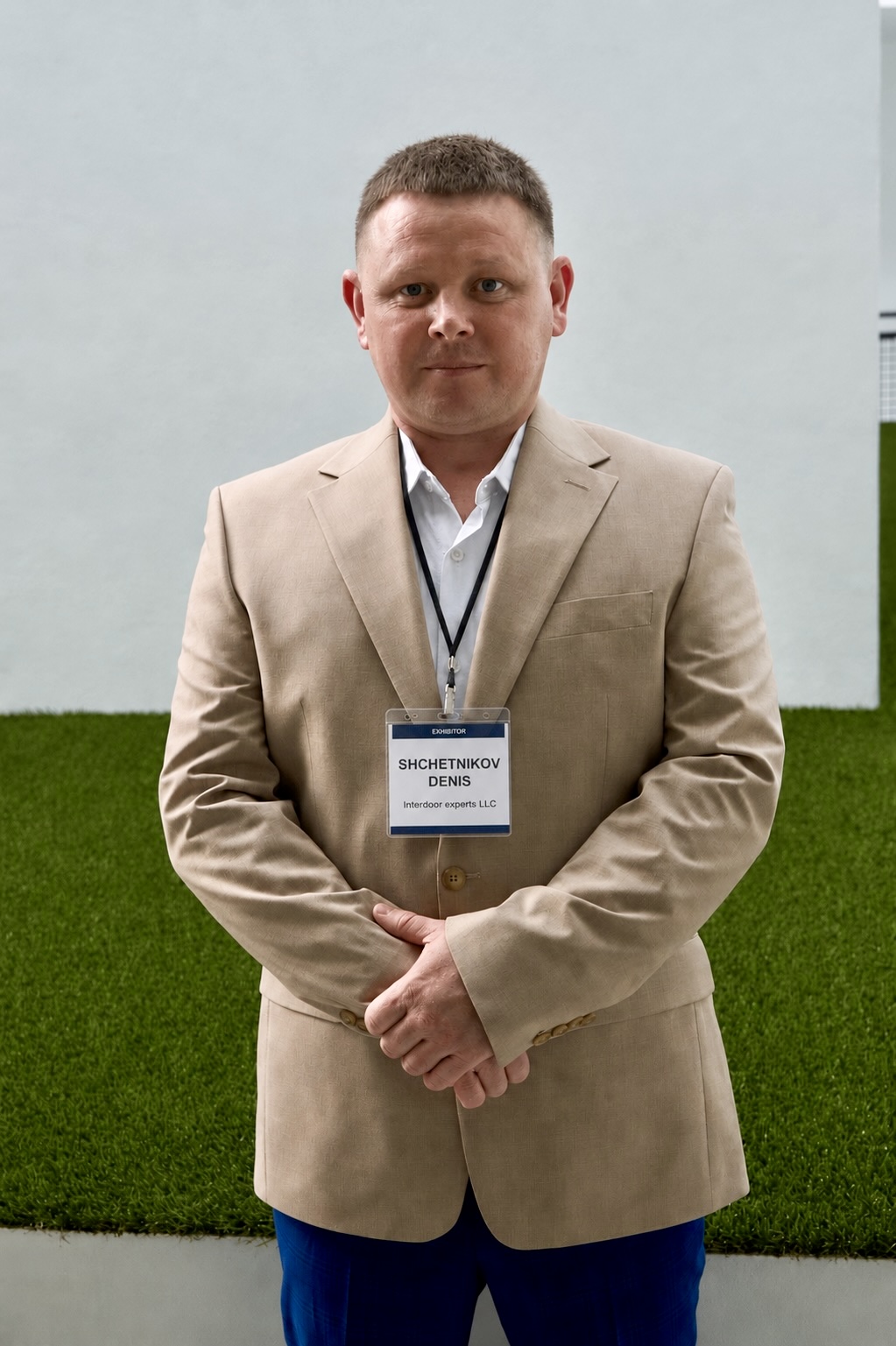
Can you open up a bit about your work and career? We’re big fans and we’d love for our community to learn more about your work.
My journey in this industry began over 15 years ago, and it has been anything but easy. Early on, I viewed the installation of concealed architectural systems as a highly demanding and precise craft. I strived for excellence in every project, but over time, I realized a fundamental truth: even the highest level of individual craftsmanship cannot guarantee long-term performance if the underlying system remains vulnerable to external forces.
The real turning point came when I relocated to the United States and began working in Florida. The local construction sector has a unique profile, combining rapid timber and light-gauge steel framing with high humidity and significant temperature fluctuations. I observed firsthand how projects that appeared flawless at handover could develop problems months later. Structural movement caused concealed doors to lose alignment and cracks to appear at drywall interfaces. Conventional methods often required repeated callbacks and time-consuming post-installation adjustments.
The challenges I encountered in Florida encouraged me to rethink conventional installation practices and focus on developing more reliable and predictable solutions. Over time, this led to the creation of my own installation methodologies and technical systems designed to improve long-term stability and performance.
Instead of viewing installation as a series of isolated manual tasks, I began treating it as an engineering process that can be analyzed, standardized, and continuously improved. I want the industry to know that structural stability should not depend on field approximations, but on systematic, well-engineered workflows that deliver durable and sustainable results.
Any places to eat or things to do that you can share with our readers? If they have a friend visiting town, what are some spots they could take them to?
If my best friend were visiting South Florida, I would probably take them beyond the typical tourist destinations and show them places that reflect the region’s architecture, planning, and character.
One of the first places I would visit is Coral Gables. I appreciate its historic architecture, carefully planned streets, and the way the city has preserved its identity over time. Walking through Coral Gables is a reminder that thoughtful design and quality construction can remain relevant for generations.
I would also spend time in Palm Beach. What interests me most there is the residential architecture and the attention to detail found in many of the homes and public spaces. It is a place where craftsmanship and long-term thinking are still highly valued.
If we had time for a longer trip, I would head to Seaside and Alys Beach along Florida’s Gulf Coast. Both communities demonstrate how architecture, urban planning, and public spaces can work together to create environments that are functional, beautiful, and enjoyable to live in.
As someone who works with architectural systems, I enjoy places that show how good design goes beyond appearance. The most interesting projects are those that combine aesthetics, functionality, and long-term durability. Florida offers many examples of that, which is one of the reasons I enjoy living and working here.

The Shoutout series is all about recognizing that our success and where we are in life is at least somewhat thanks to the efforts, support, mentorship, love and encouragement of others. So is there someone that you want to dedicate your shoutout to?
I want to dedicate this shoutout to two professional communities that have shaped my journey. The first is the construction and engineering community in Eastern Europe, where I began my career. Working on complex architectural projects taught me the importance of precision, craftsmanship, and attention to detail.
The second is the professional community I found after moving to the United States, particularly in Florida. The scale of the market, the pace of construction, and the unique environmental conditions created new challenges that encouraged me to rethink many established approaches and continue developing my methods.
I am grateful to the architects, builders, developers, and project teams I have worked with throughout this journey. Many of the ideas behind my work were shaped through collaboration, shared experience, and solving real-world challenges together. Their trust, high standards, and willingness to embrace new solutions have played an important role in my professional growth.
Looking back, I believe that meaningful progress is rarely achieved alone. It is the result of continuous learning and the people who challenge you to improve, adapt, and think differently.
Linkedin: https://www.linkedin.com/in/denis-shchetnikov-a4491a410/
Other: Technium Journal Article:
https://techniumscience.com/index.php/technium/article/view/13665
INTERDOOR EXPERTS LLC
https://www.houzz.com/pro/webuser-8281861/__public
ORCID:
https://orcid.org/0009-0009-6091-0288
Academia.edu:
https://independent.academia.edu/DenisShchetnikov