Meet Kanika | Graphic Designer
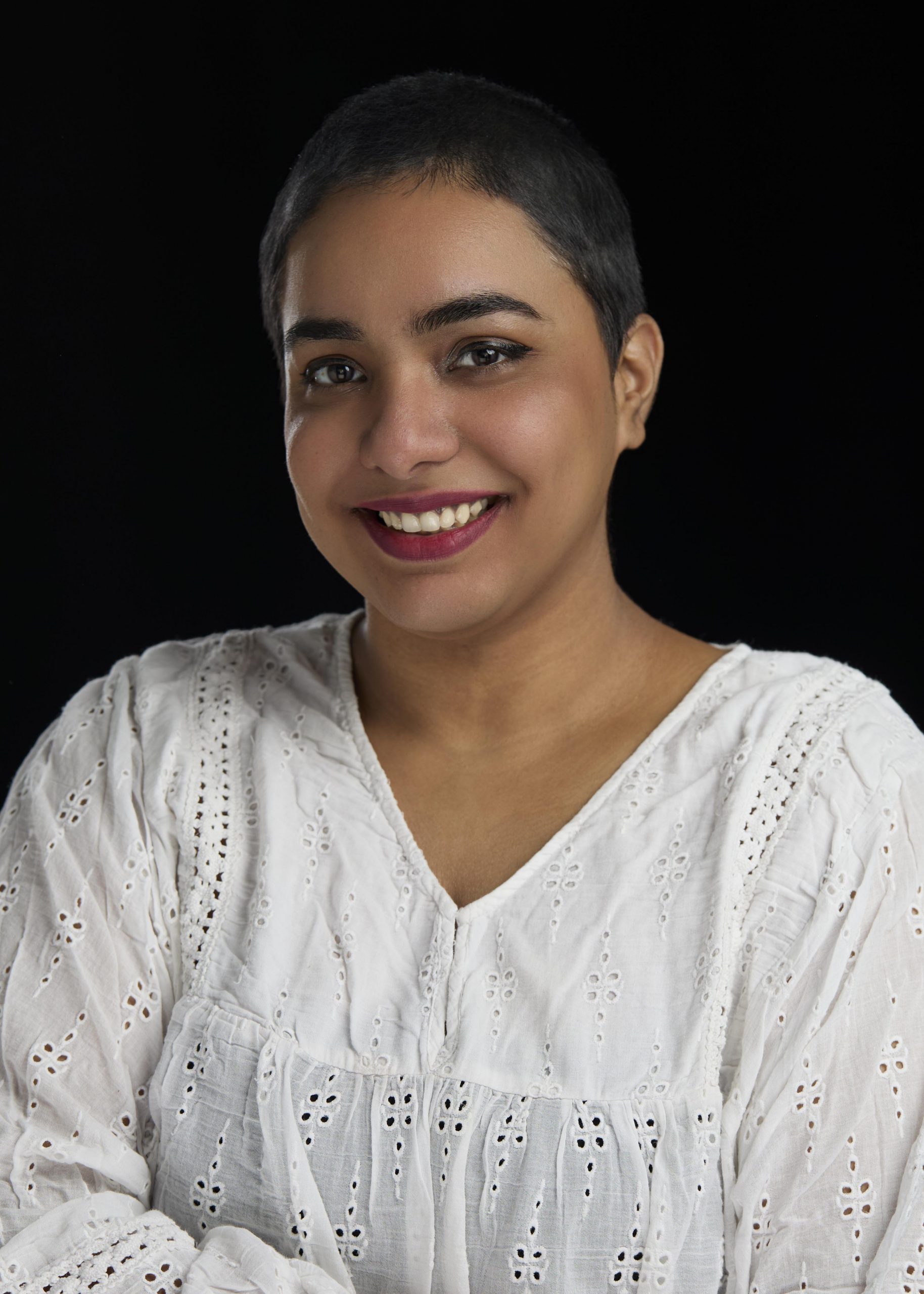


We had the good fortune of connecting with Kanika and we’ve shared our conversation below.
Hi Kanika, how has your background shaped the person you are today?
I grew up in a small city in central India, surrounded by familiar faces, close connections, and a little garden full of beings lovingly cared for by my mother. A lot of my early memories come from spending time there—watching birds, insects, fruits, leaves, and noticing all kinds of textures and rituals. That way of seeing has stayed with me. Even now, my work naturally pulls toward those details—lush, habitual, and full of life. Design became a way for me to recreate parts of that world I’ve always felt connected to: the stillness and calm that comes from quiet observation.
Alright, so let’s move onto what keeps you busy professionally?
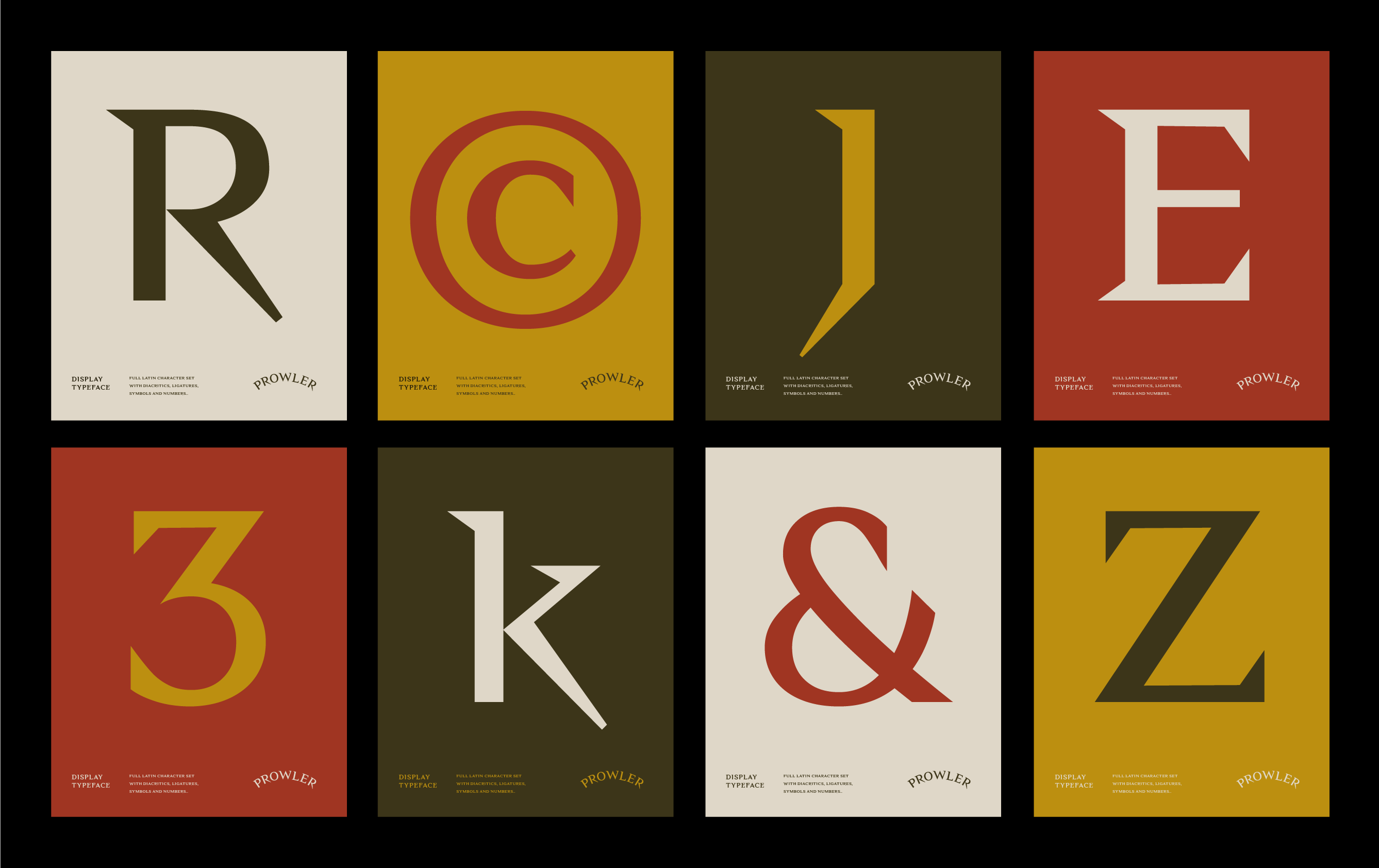
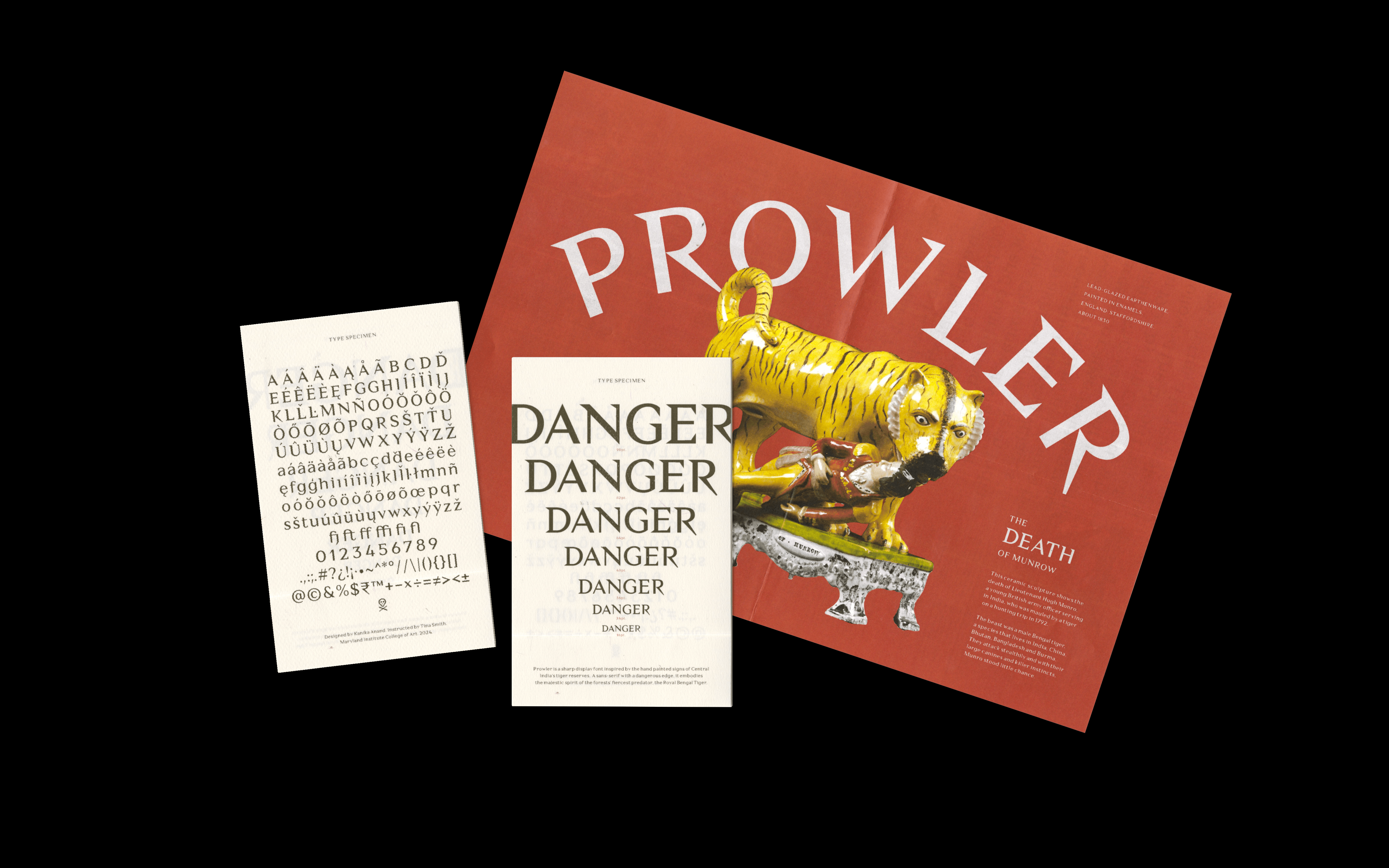
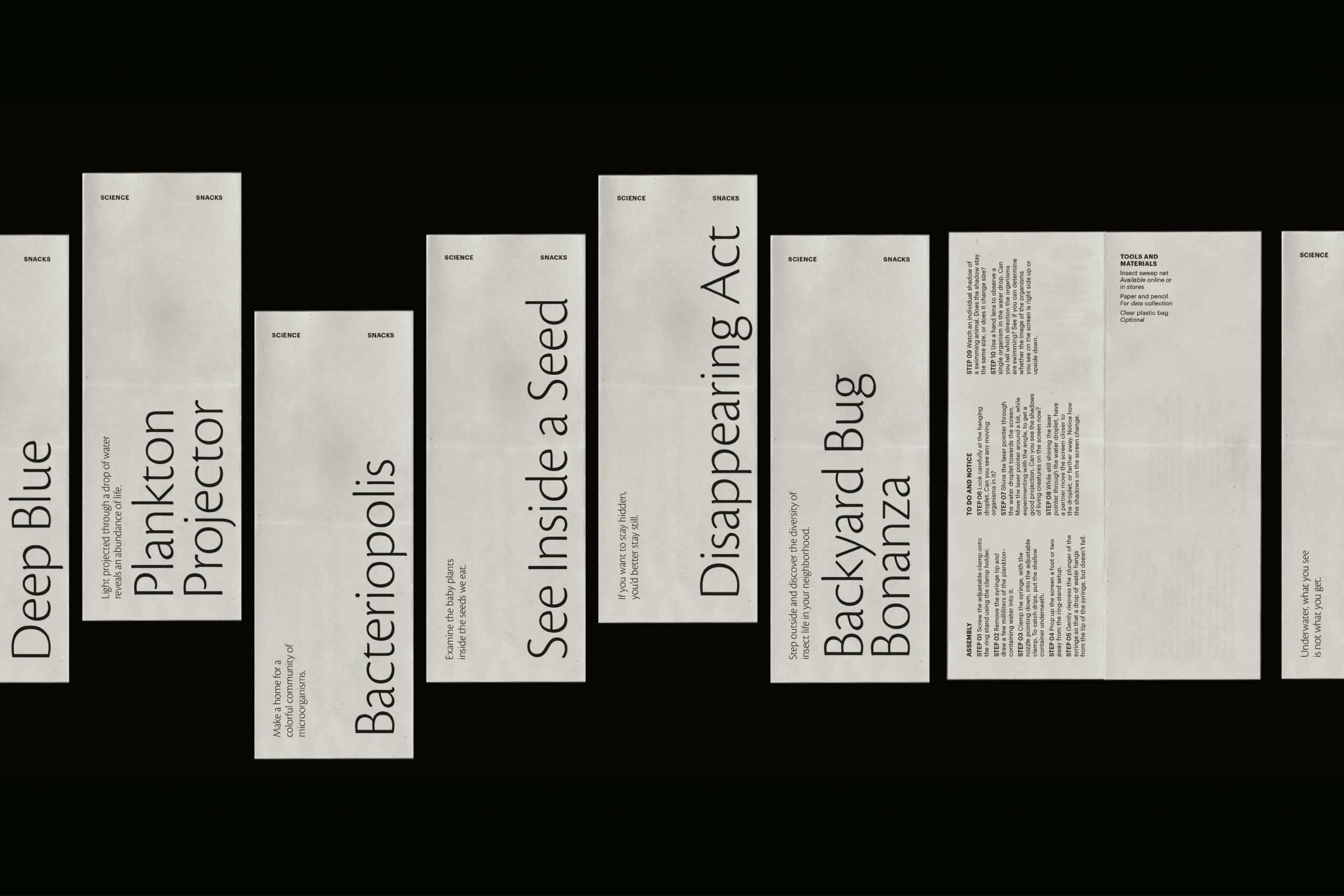
My work lives at the intersection of systems and storytelling. I’m drawn to grids, patterns, repetition, and contrast—and how these formal elements come together to create meaning. Lately, I’ve been exploring type and motion to communicate ideas within social and environmental narratives.
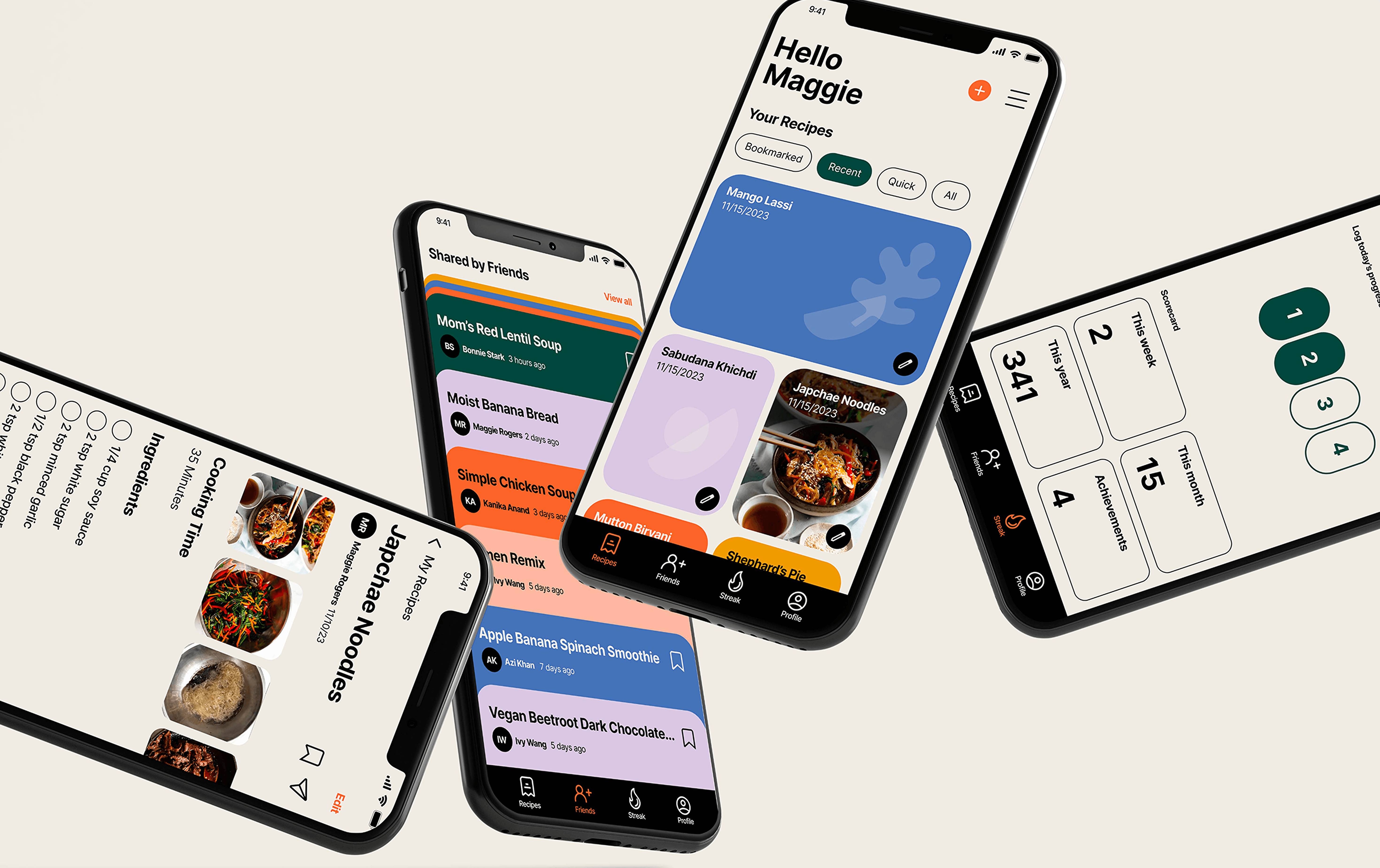
My practice is fluid and adapts to context. It might take the form of print, motion, UI/UX, or branding—but it’s always rooted in personal experience, emotion, and inquiry. I’m constantly thinking about what we choose to preserve, and how we tell stories about change.
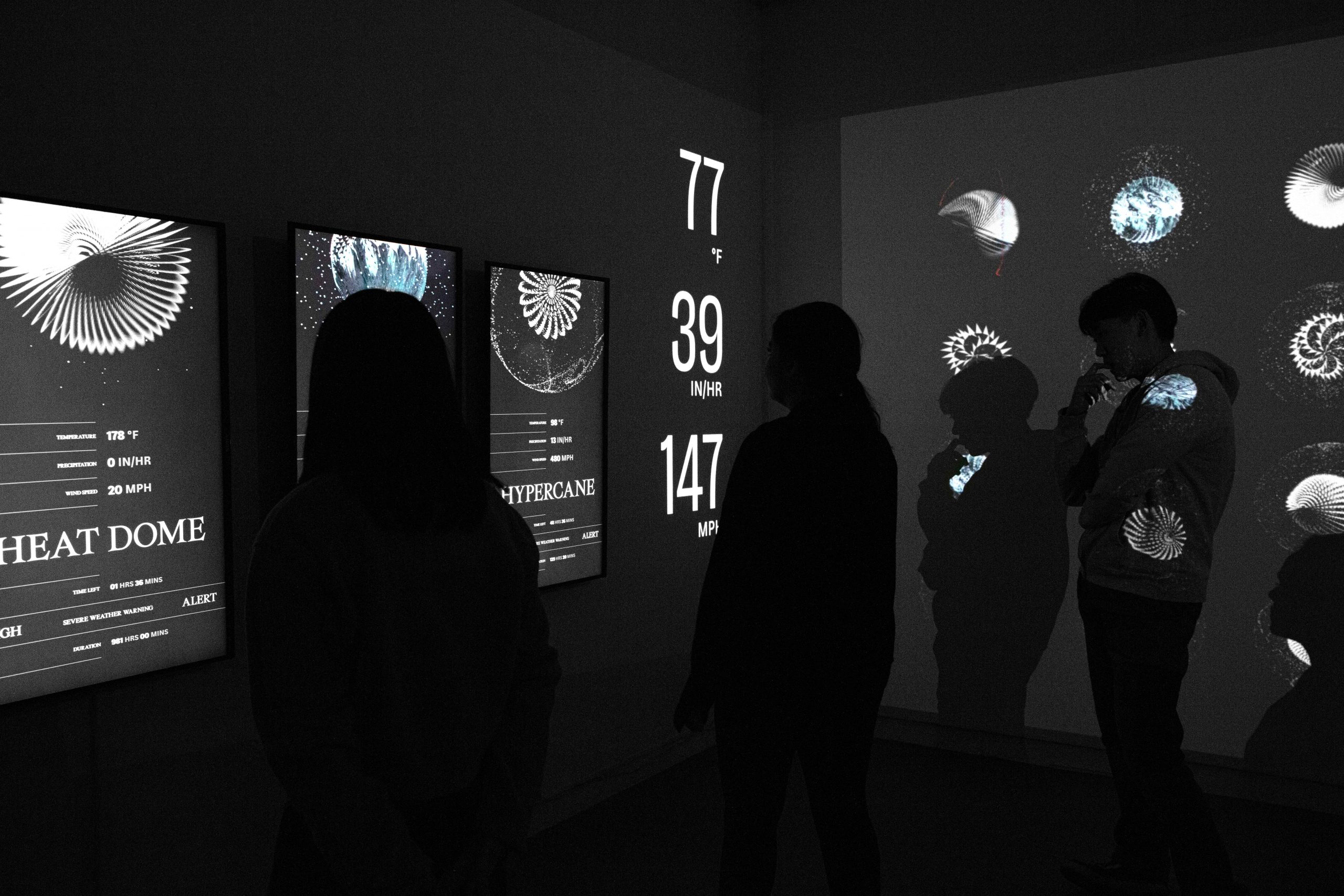
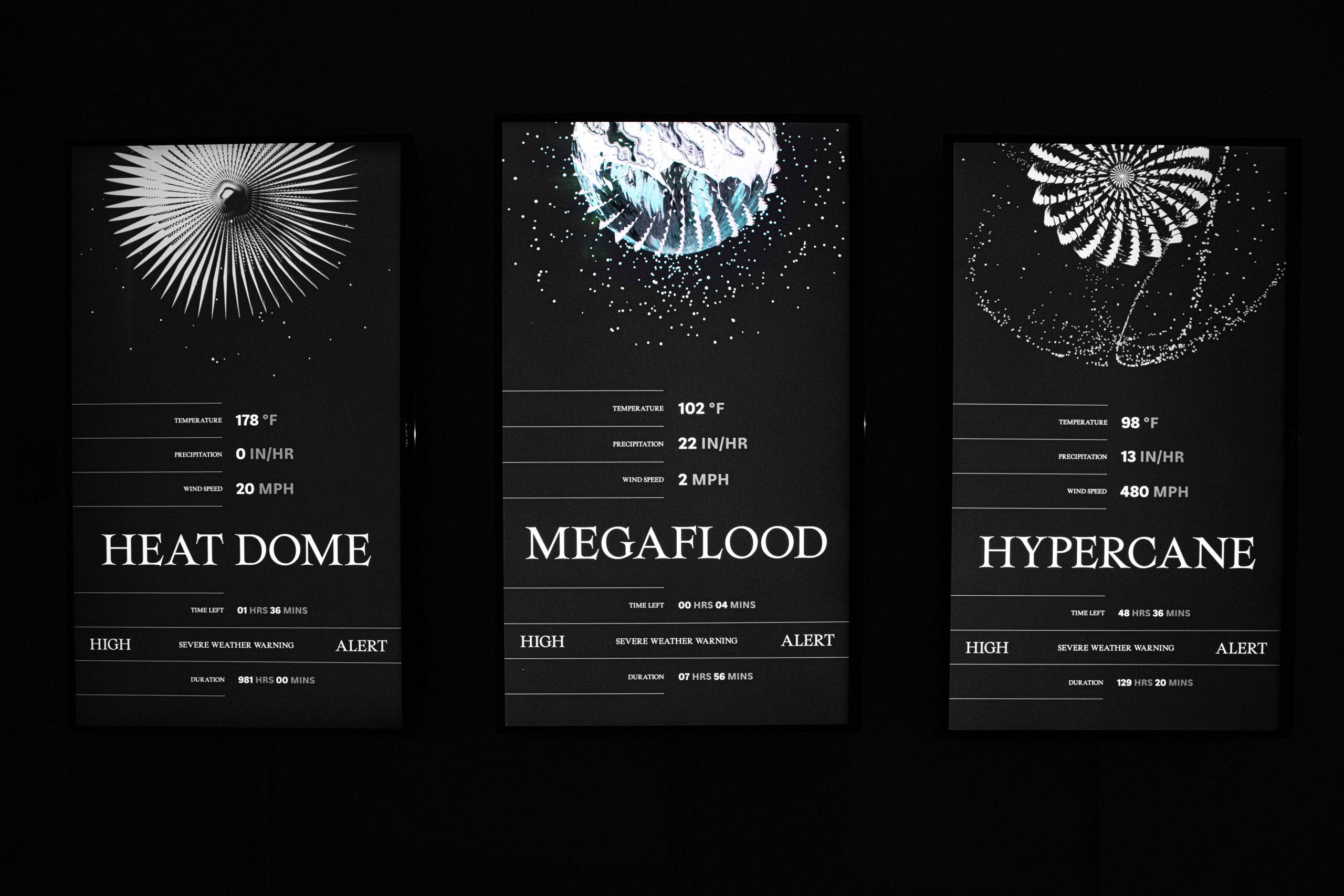
As part of my MFA thesis at MICA, I created a generative visual system to explore the realities of extreme weather and climate migration. Built using p5.js, the project uses motion and code to communicate uncertainty—considering how climate change might reshape language, rhythm, and place. With no formal background in coding, the process involved a lot of trial, error, and discovery. It taught me to embrace uncertainty and trust the act of making.
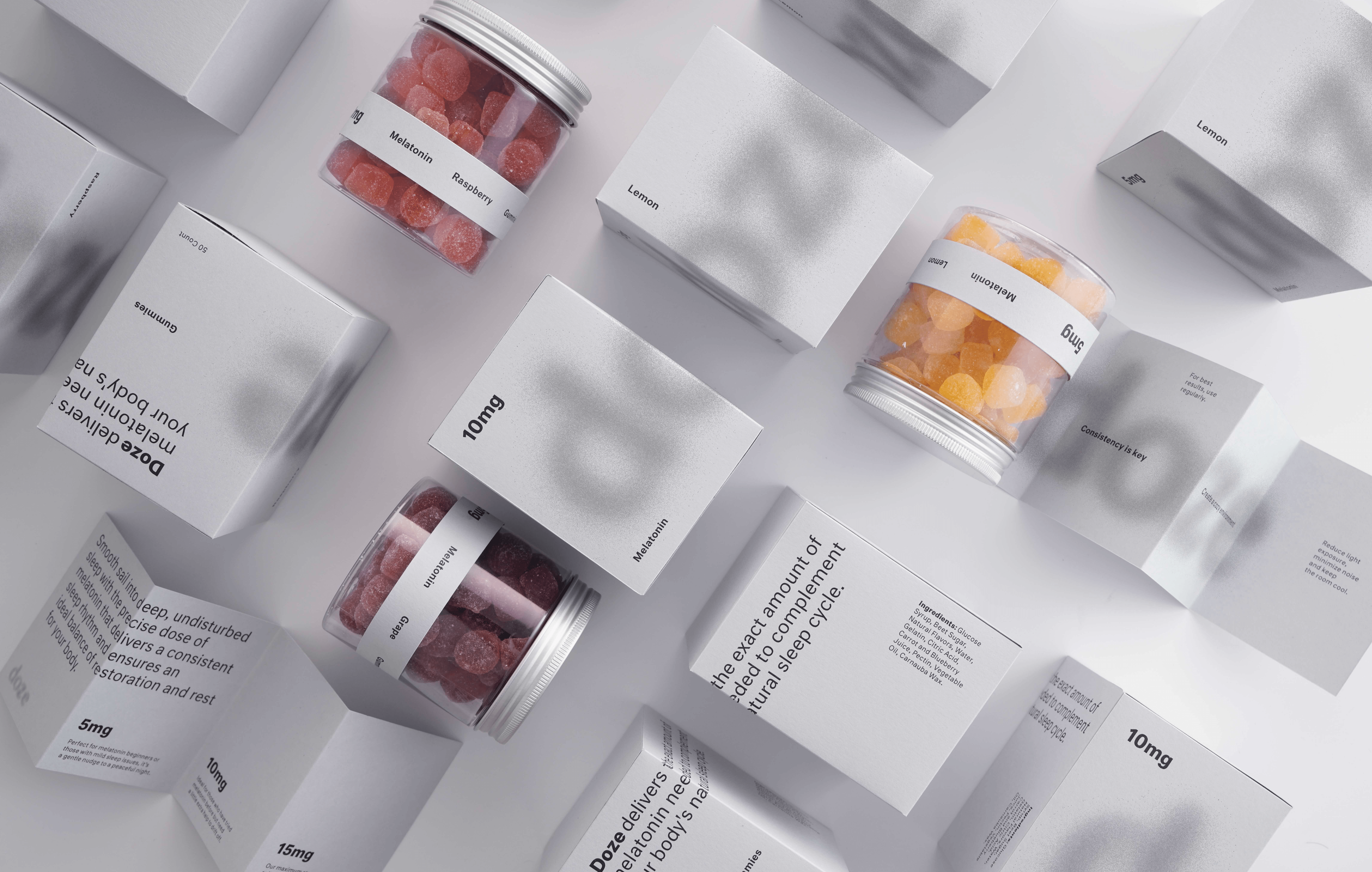
My work has been recognized by Communication Arts, Creative Quarterly, GDUSA, AIGA, and Adobe, across categories including publication, poster, packaging, and type design. These recognitions have affirmed my belief that design can move fluidly across disciplines while remaining thoughtful, intentional, and connected to larger narratives.
Any places to eat or things to do that you can share with our readers? If they have a friend visiting town, what are some spots they could take them to?
First things first, you have to visit the Huntington Botanical Gardens. It’s one of my favorite places and makes for the perfect slow start—full of plants, textures, and dreamy light. I’d probably follow it up with some lamb tacos from a food truck (LA-style, of course), then head over to Mural Mile for some art browsing.
Who else deserves some credit and recognition?
I’ve been lucky to have found some of the most generous mentors in life—from my first job to grad school. I probably couldn’t name them all, but I especially want to thank Jennifer Cole Phillips, my professor at Maryland Institute College of Art (MICA), who played a huge role in my growth as a graphic designer. She made me fall in love with type—not just as a technical craft but as something bold, expressive, and full of possibility. She has a rare ability to spot the parts of your work that feel most like you, even when you can’t see them yourself. Her encouragement helped me trust my instincts and embrace risk, which has been such an important part of how my work has evolved.
Website: https://kanikanand.com/
Instagram: https://www.instagram.com/kanikanand
Linkedin: https://www.linkedin.com/in/kanikanand/