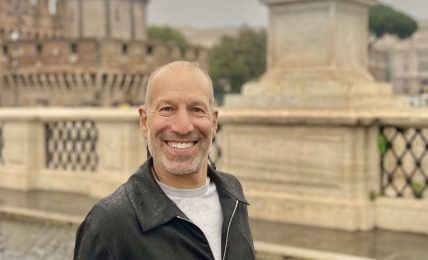
Meet Leandro M Pucci | Doctor of Clinical Nutrition
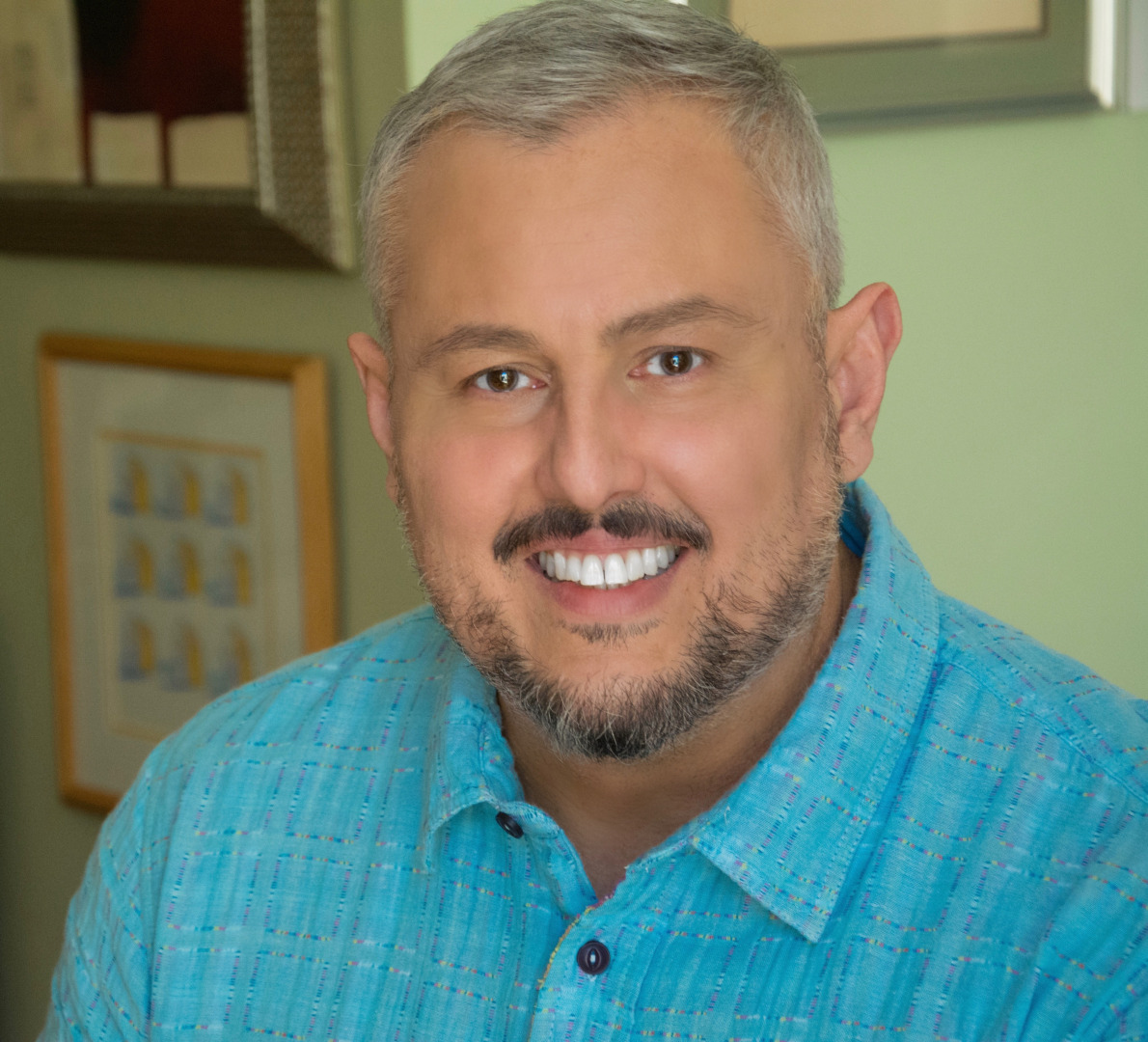


We had the good fortune of connecting with Leandro M Pucci and we’ve shared our conversation below.
Hi Leandro M, is your business focused on helping the community? If so, how?
My work focuses on restoring metabolic health in a population increasingly burdened by preventable chronic disease. Many of the conditions people struggle with—insulin resistance, systemic inflammation, digestive dysfunction, autoimmune presentations, persistent fatigue—are downstream effects of metabolic dysregulation. When we address the root drivers, we improve not only lab markers but also clarity, mood stability, energy, and long-term resilience.
At the clinical level, I provide precision, data-driven nutrition therapy rooted in biochemical science and functional medicine. I focus on sustainable, protein-forward, metabolically supportive strategies rather than restrictive trends. This allows patients to stabilize blood sugar, reduce inflammatory load, and rebuild metabolic flexibility in a way that is defensible and maintainable over time.
The impact extends beyond individual patients. I actively teach and mentor graduate students and future clinicians, emphasizing systems-based thinking and critical appraisal of research. By training practitioners to interpret complex labs, understand nutrient metabolism, and design rational interventions, the ripple effect multiplies. Each well-trained clinician improves outcomes for hundreds of patients over a career.
I also collaborate with integrative and functional medicine clinics to support complex metabolic and autoimmune cases. This interdisciplinary approach strengthens standards of care within the broader healthcare ecosystem.
At a community level, education is central. Workshops, lectures, and professional trainings translate metabolic science into practical strategies people can apply. My goal is not simply dietary change—it is metabolic literacy. When individuals understand how food influences inflammation, insulin signaling, gut integrity, and cognitive performance, they regain agency over their health.
Ultimately, the social impact of my work lies in prevention and restoration. A healthier metabolism means fewer downstream complications, a lower healthcare burden, and improved quality of life. When metabolic health improves, families, workplaces, and communities function better as a whole.
What should our readers know about your business?
My practice is centered on one core principle: metabolic health is foundational. Rather than chasing isolated symptoms, I focus on identifying upstream drivers—insulin resistance, chronic inflammation, gut dysfunction, micronutrient insufficiency, and impaired metabolic flexibility—and building structured, protein-forward, physiologically sound interventions that restore function over time. What sets my work apart is the integration of rigorous nutritional biochemistry with practical, sustainable implementation. I do not rely on trends or generalized templates. Every protocol is data-informed, grounded in lab interpretation, and designed to be metabolically coherent.
At the same time, my work is not only about numbers and pathways. Beyond the science, my goal is to help patients understand their own physiology. I want them to recognize how blood sugar stability influences mood and focus, how adequate protein supports strength and longevity, and how gut integrity affects immune resilience and mental clarity. Education is central to my approach. When patients understand why we are doing something—not just what to do—they become active participants rather than passive recipients of care. That shift builds long-term agency and preserves healthspan, not just lifespan.
I am particularly proud to have developed a structured, protein-first metabolic framework that bridges academic science and real-world application. It has evolved through years of clinical observation, research translation, and teaching. My background in advanced lab interpretation, nutrigenomics, and functional assessment allows me to work with complex cases—autoimmune presentations, metabolic syndrome, gastrointestinal dysfunction—while maintaining clinical discipline. At the same time, I translate that complexity into language that patients can apply to their daily lives: steadier energy, improved digestion, clearer thinking, and sustainable changes in body composition.
The path to building this practice was not linear or easy. I began in a different professional field before fully committing to nutrition science. Returning to graduate education required financial discipline, long hours, and sustained focus while simultaneously building a practice. There were periods of uncertainty—particularly when choosing to prioritize advanced training over rapid business growth. I overcame those challenges by committing to depth over speed. I invested in formal education, mentorship, and clinical supervision rather than scaling prematurely. That decision shaped the integrity of my work.
One of the most important lessons I’ve learned is that credibility compounds slowly. Clinical confidence is earned through repetition, humility, and continuous study. Another lesson is that sustainable results require structural change, not intensity. Extreme interventions may produce short-term shifts, but durable metabolic restoration depends on consistency, adequate protein, glycemic regulation, restorative sleep, resistance training, and realistic behavioral strategies.
What I want the world to understand about my brand is that it is built on rigor and responsibility, as well as respect for the individual. Nutrition is applied physiology, but it is also a lived experience. My role is to interpret data, identify root drivers, and design defensible, personalized interventions—while empowering patients to understand their bodies well enough to maintain metabolic resilience for decades. My story reflects disciplined evolution and a sustained commitment to helping people build a strong, capable, and enduring healthspan.
If you had a friend visiting you, what are some of the local spots you’d want to take them around to?
What makes Los Angeles compelling is not a single landmark. It is the range: ocean drives, world-class art, global cuisine, accessible hikes, and nightlife that feels cinematic. The most interesting people here are often those quietly building something—artists, entrepreneurs, clinicians, chefs, educators. The city rewards ambition, but it also rewards perspective.
If I were guiding a friend through Los Angeles, I would show them both the movement and the stillness. The coastline. The museums. The food. The hills. The night. That combination defines the best of the city.

Shoutout is all about shouting out others who you feel deserve additional recognition and exposure. Who would you like to shoutout?
The work I do today did not happen in isolation. If I were to dedicate this shoutout, it would first and foremost be to my spouse. Building a clinical practice while completing both a master’s and a doctorate in clinical nutrition required sustained focus, long hours of study, and periods of professional uncertainty. My spouse created the conditions that made that possible—offering patience, emotional steadiness, and the practical support that allowed me the time and mental space to pursue advanced training. That kind of support is often invisible from the outside, but it is foundational. Academic achievement and clinical growth rarely occur without someone quietly holding stability in the background.
I would also dedicate this recognition to my instructors, professors, and mentors at Maryland University of Integrative Health, now the School of Integrative Health at Notre Dame of Maryland University. Their rigor shaped how I think. They emphasized biochemical depth, critical appraisal of research, and disciplined clinical reasoning. They challenged assumptions, demanded intellectual precision, and reinforced the need for nutrition to be both scientifically defensible and clinically applicable. That training continues to inform every patient case I evaluate and every student I mentor.
My professional path reflects both personal support and academic mentorship. My spouse provided the space to grow. My professors provided the framework to think. Together, they made it possible for me to translate metabolic science into meaningful clinical work.
Website: https://leandropucci.com
Instagram: https://www.instagram.com/dr_leandropucci/
Linkedin: https://www.linkedin.com/in/leandropucci/
Facebook: https://www.facebook.com/LeandroPucciNutrition/