Meet Nao Fesseha | Designer, Exhibition Specialist & Architecture Candidate
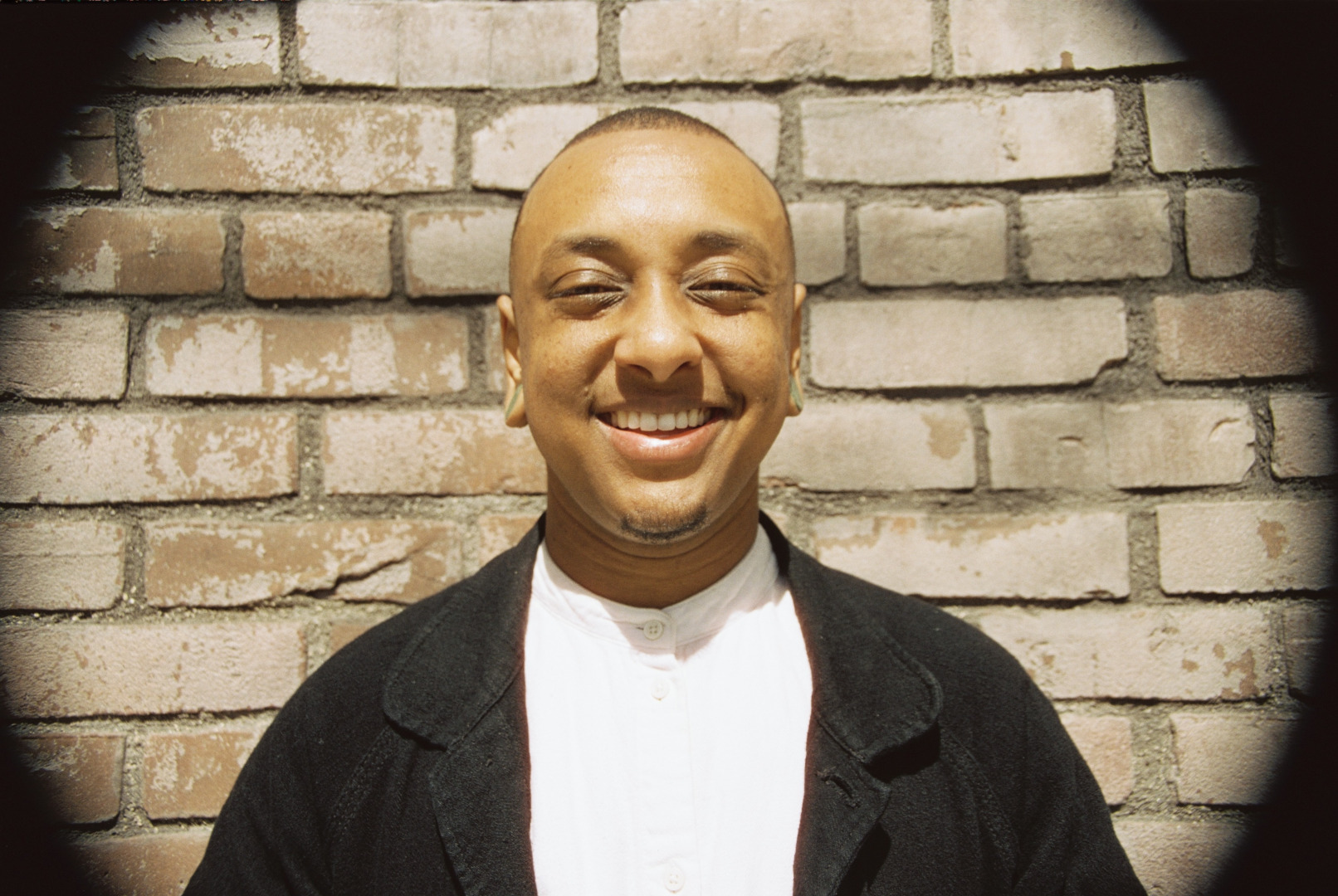


We had the good fortune of connecting with Nao Fesseha and we’ve shared our conversation below.
Hi Nao, what role has risk played in your life or career?
Risk has shaped almost every major transition in my life. Earlier on, it meant stepping into uncertainty — moving cities, pursuing creative work without clear guarantees, and trusting intuition over stability. Those experiences built resilience, but more importantly they taught me that growth often happens through direct engagement with the unknown.
Over time, my understanding of risk has become more intentional. Founding Saint Yared was one kind of risk — using storytelling and design to explore cultural memory and identity. Later, choosing to move into hands-on exhibition fabrication and art handling was another. That shift required humility and a willingness to rebuild technical skills, but it grounded my creative thinking in material reality.
Today I see risk less as disruption and more as alignment. Each transition has brought me closer to work that connects narrative, craft, and the built environment. Rather than avoiding uncertainty, I’ve learned to approach it as part of designing a meaningful long-term trajectory.
Let’s talk shop? Tell us more about your career, what can you share with our community?
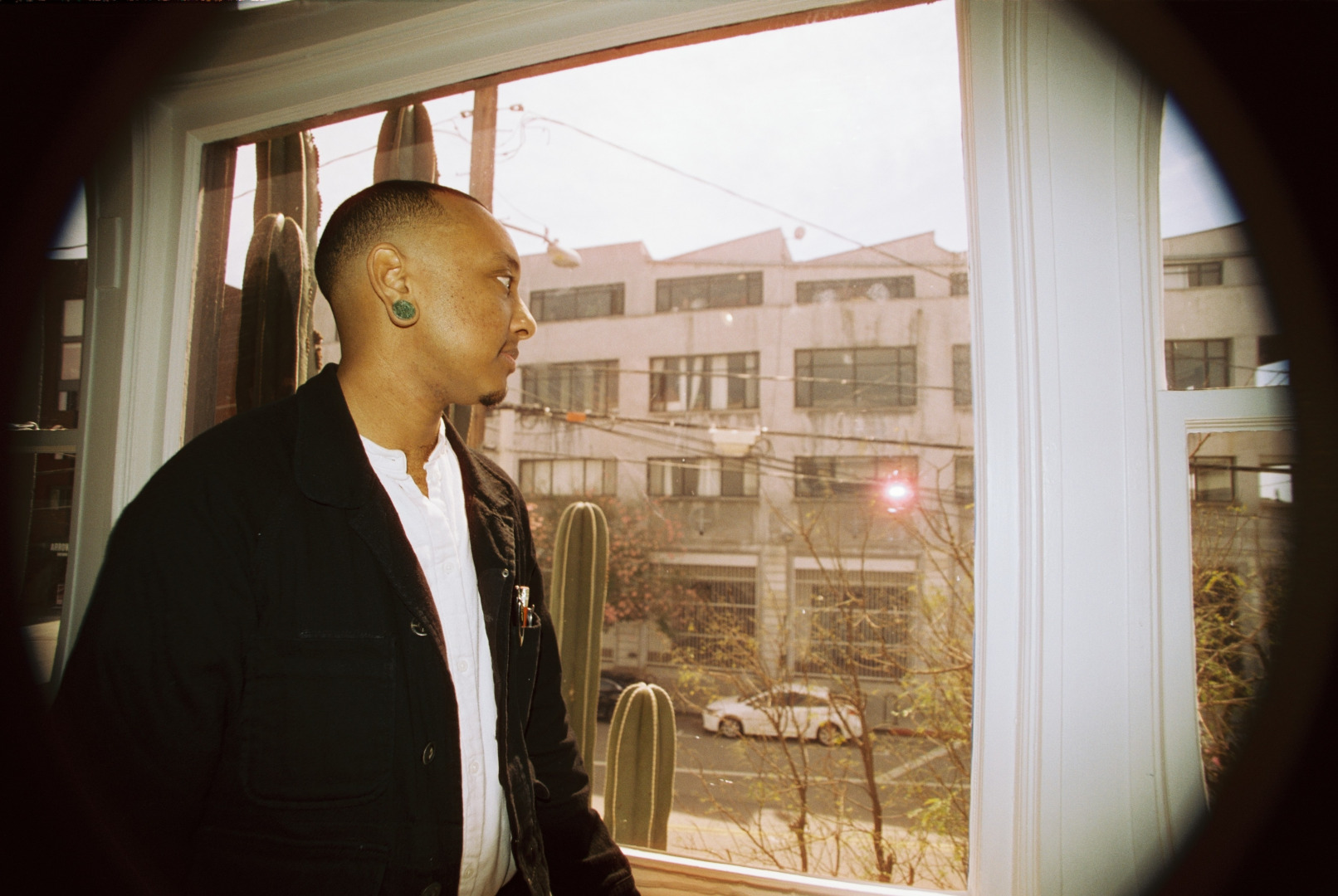
My career has developed at the intersection of storytelling, design, and space. I originally studied curatorial studies and interior design, which shaped my understanding of environments not just as physical structures, but as cultural experiences that influence memory and belonging.
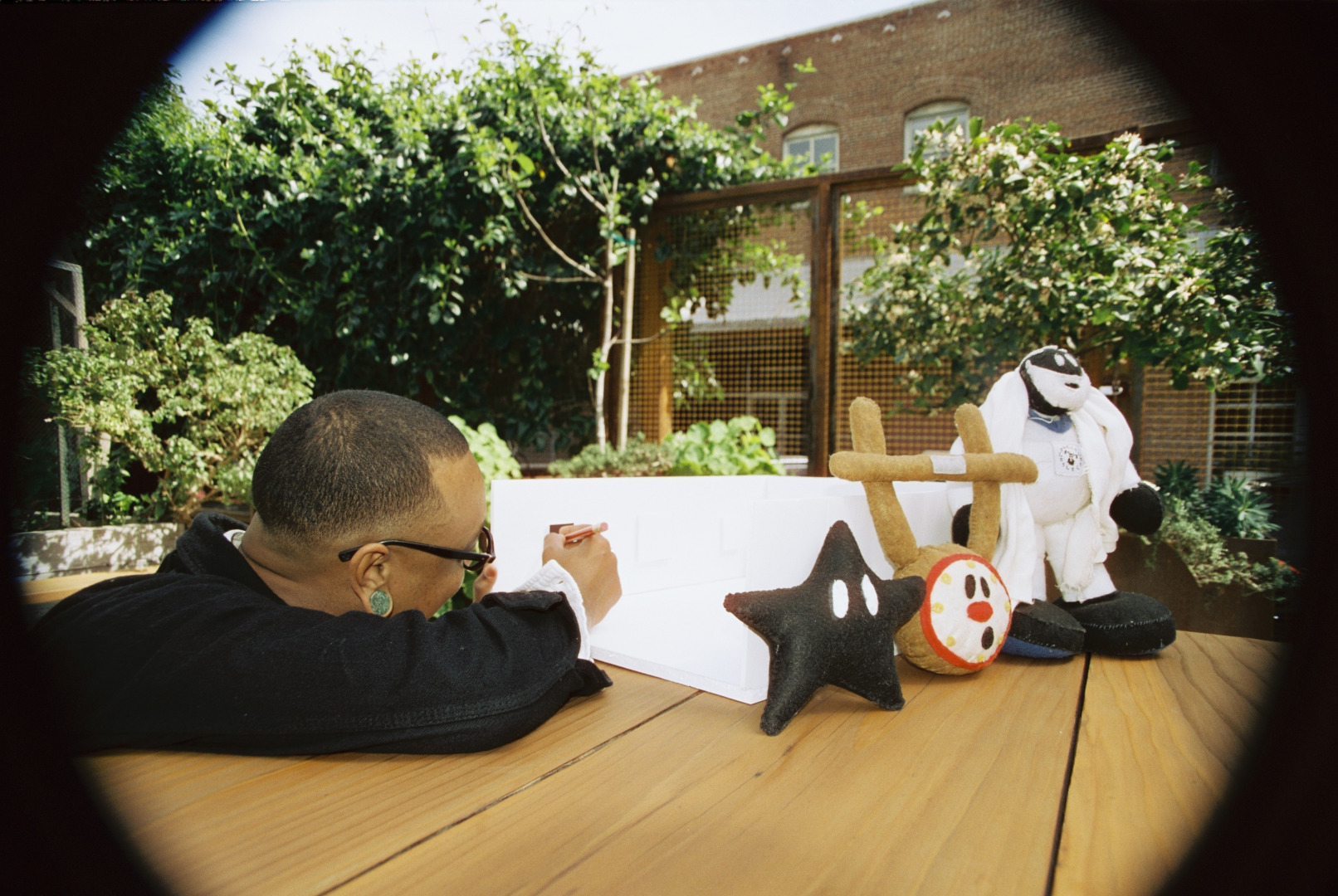
Over time, I realized I was equally interested in how things are built as in how they are displayed. That curiosity led me into professional work as an art handler and installer, first with Solid Art Services and now with Crate 88. Through fabrication support, logistics coordination, and exhibition installation, I’ve gained hands-on experience with materials, workflows, and spatial problem-solving. Being directly involved in the construction and presentation of artworks deepened my understanding of architecture as a lived discipline.
Alongside this technical path, I founded Saint Yared, an ongoing creative project exploring Ethiopian cultural narratives through visual storytelling and spatial concepts. Developing the project has expanded my thinking from individual artworks toward systems — how ideas move across mediums, audiences, and environments.
The path hasn’t been linear. Transitioning into technical fields required rebuilding foundational skills and returning to structured study. That process taught me patience and long-term commitment. Today, my focus is on pursuing architecture and sustainable design as a way to contribute to human-centered environments that carry cultural meaning as well as functional clarity.
What sets me apart is the combination of conceptual storytelling and practical fabrication experience. I’ve learned that imagination and precision are not opposites — meaningful work often happens where they meet.
Let’s say your best friend was visiting the area and you wanted to show them the best time ever. Where would you take them? Give us a little itinerary – say it was a week long trip, where would you eat, drink, visit, hang out, etc.
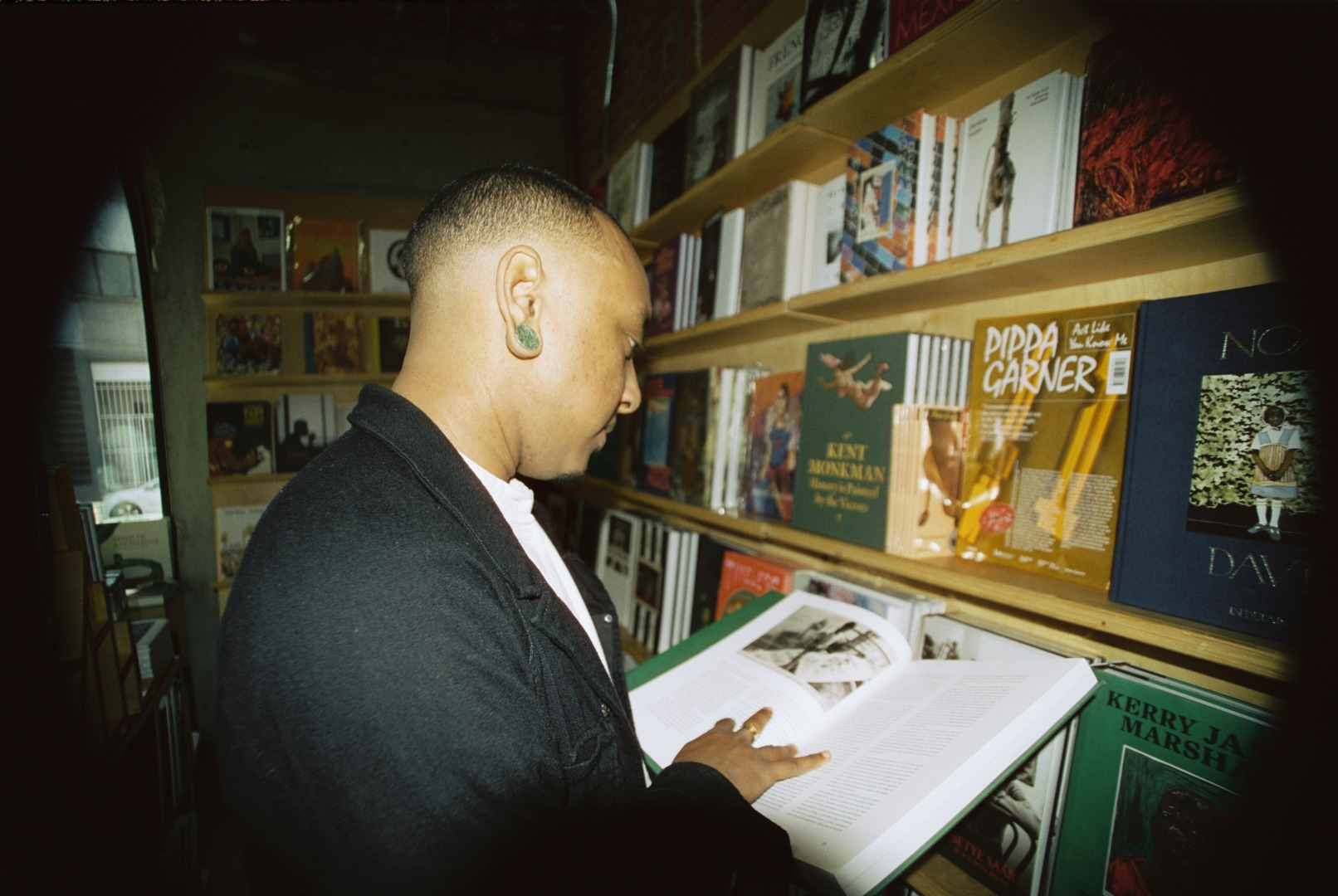
I’d begin with a visit to Arcana: Books on the Arts in Culver City. It’s a quiet but deeply stimulating space where you can encounter art, architecture, and design history through printed matter. It always reminds me how ideas travel across generations.
From there, I’d balance the city’s density with nature. A swim or walk along the Malibu coastline has a way of resetting perspective — the Pacific makes you aware of scale and time in a different way than urban environments do.
Later in the day, I’d take them to a place like Sushi Gen in Little Tokyo. It’s modest and focused on quality rather than spectacle, which reflects a side of Los Angeles that values craft and continuity.
To close the trip, I’d suggest a drive to Mt. Baldy. The shift from urban sprawl to alpine quiet within a short distance captures what makes Los Angeles unique — constant movement between culture, landscape, and atmosphere. For me, the city becomes most meaningful when you experience all of those layers together.
The Shoutout series is all about recognizing that our success and where we are in life is at least somewhat thanks to the efforts, support, mentorship, love and encouragement of others. So is there someone that you want to dedicate your shoutout to?
I’m deeply grateful to my parents for instilling both discipline and long-term thinking. Their belief in education and persistence shaped the way I approach both creative work and professional responsibility.
I’m also thankful for the exhibition technicians, preparators, and fabricators I’ve worked alongside in Los Angeles. Learning how environments are physically constructed — how objects are mounted, transported, and cared for — fundamentally changed how I understand collaboration and authorship in spatial work.
Finally, my Ethiopian heritage continues to influence my perspective. Storytelling, craft traditions, and cultural memory were present long before I entered design professionally. Much of what I build today feels like an extension of that lineage into contemporary contexts.
Linkedin: https://www.linkedin.com/in/naofesseha/
Image Credits
Tomiwa Balogun