How did you come up with the idea for your business?



It takes a lot more than an idea to build a business, but there can’t be a business without the idea. So we asked folks who’ve built wonderful businesses to tell us about how they came up with the idea in the first place.
The Chocolate Project was the natural evolution of my lifelong love affair with chocolate.
My first job, at 16, was in a high-end candy shop at Faneuil Hall in Boston. Years later, after working in television production, I turned to baking. My dear friend Clemence de Lutz—who was opening a cooking school and now owns the renowned Petitgrain Boulangerie in Santa Monica—gave me a choice: become her bread expert or her chocolate diva. How could I resist the second? Read More>>
In my personal life, among my friends and family, I am known as the “planner” “organizer” and “fun and games” guy. I’ve hosted game nights, thrown surprise parties, planned trivia games around guests of honor and made my home the go-to spot for parties with my family and friends. After years working in social services, I was ready for something new, and something that tapped into my skills as a creative entertainer. Read More>>
The idea for Adjustin’ LA came from a real need I kept seeing: people were stressed, overbooked, and struggling to find time for their health. I was working in the wellness space and noticed that while people valued chiropractic care, the traditional clinic model wasn’t always convenient or personalized enough. So I thought, “what if I brought high-level, customized care directly to them?”. Whether they were busy professionals, parents, or just burnt out from driving across LA, I wanted to create a service that removed barriers and elevated the experience. Read More>>

My photographic style is influenced by my Fine Art education and many years of painting and observing light, people, and relationships. My images are soft, natural, light and airy, with a tinge of ethereal romance. I believe in a custom photography experience that is intentional and meaningful, rather than rushed and generic. Read More>>
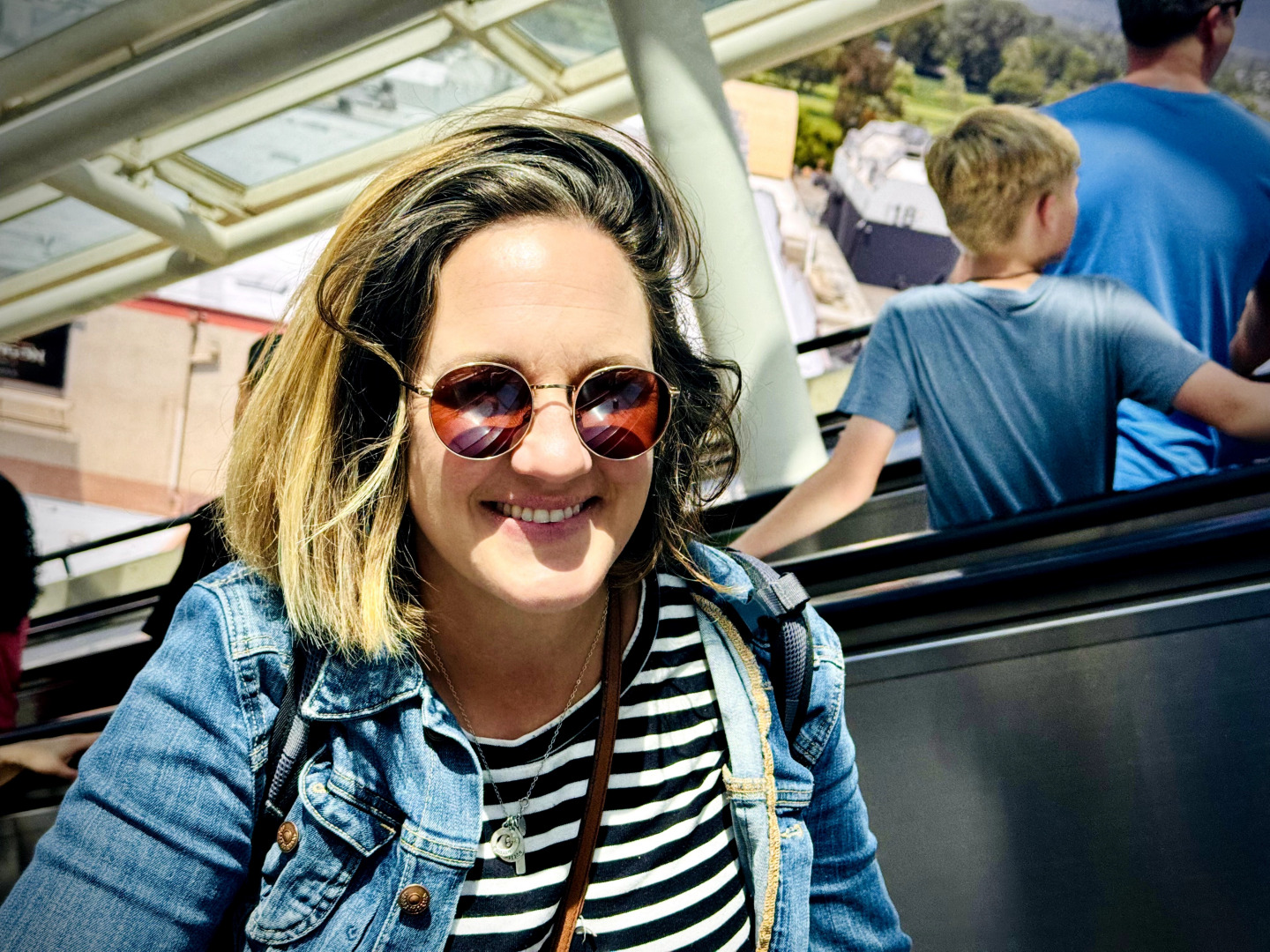
The idea for Kinderspiel Academy grew out of both professional passion and personal observation. As a linguist and language educator, I’ve always been fascinated by how children “actually” acquire language — not through drills or apps, but through meaningful connection, movement, and real-world interaction. I also saw, time and again, how children in bilingual households would understand a second language perfectly, yet feel hesitant or even resistant to speaking it. The reason? They lacked context — the social and emotional setting that makes a language come alive. Read More>>