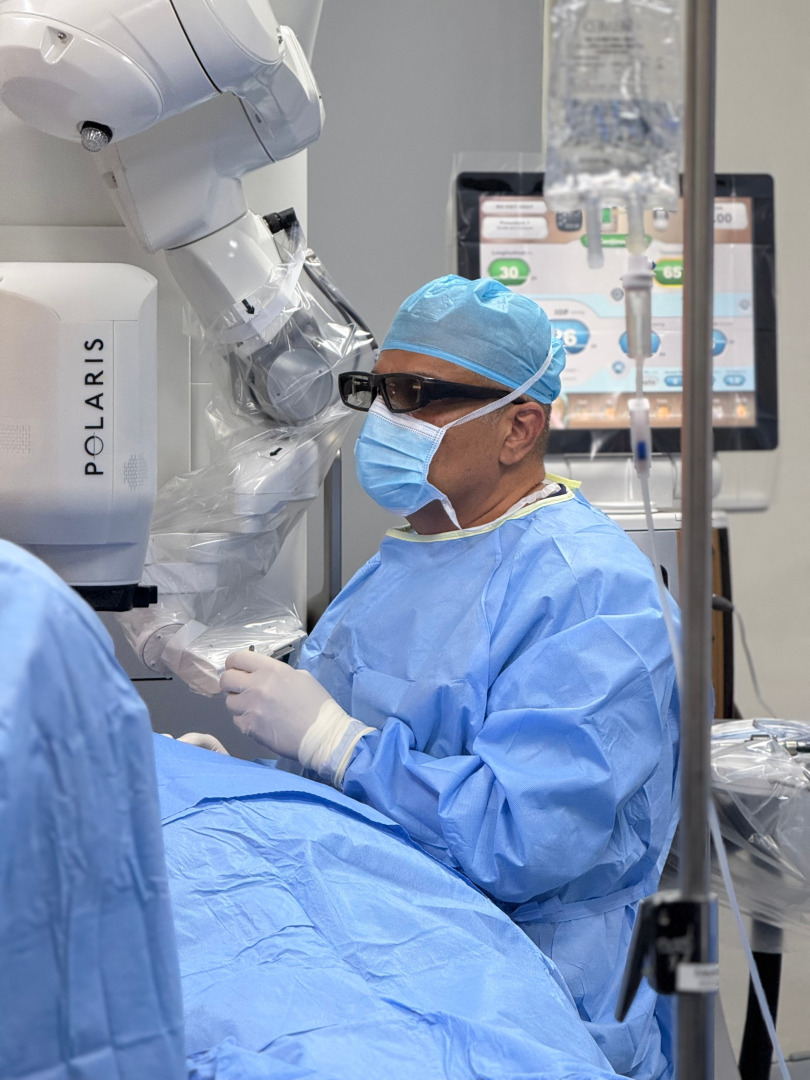
Meet Jean-Pierre Hubschman | CEO of Horizon surgical systems
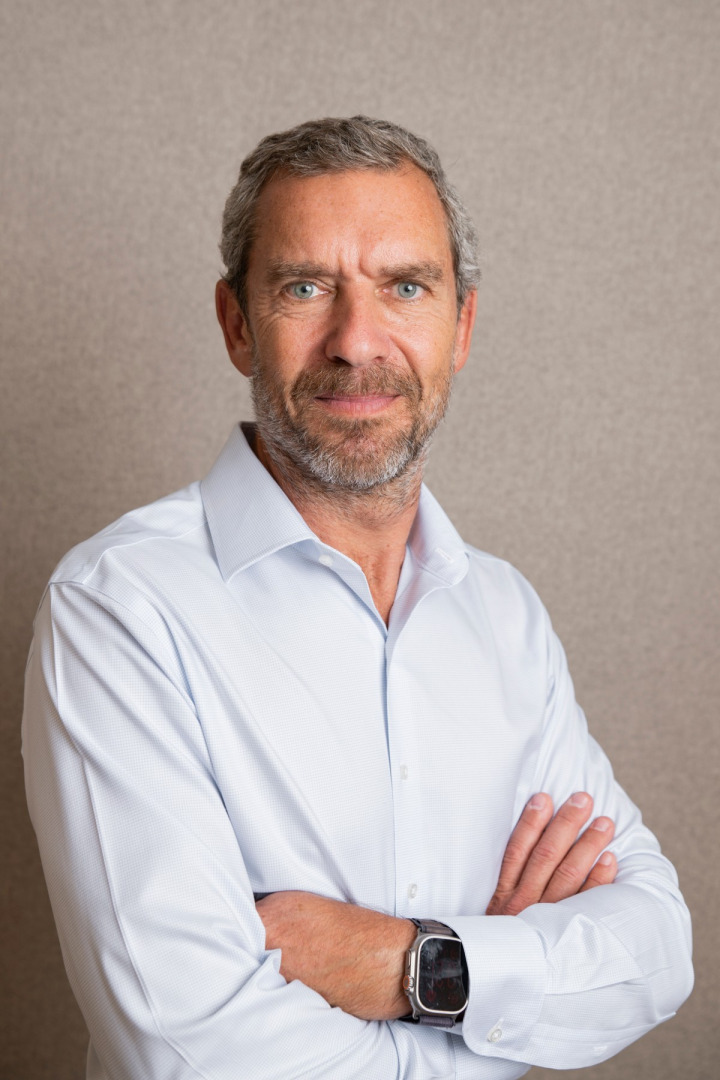


We had the good fortune of connecting with Jean-Pierre Hubschman and we’ve shared our conversation below.
Hi Jean-Pierre, we’d love to hear more about how you thought about starting your own business?
My decision to start Horizon Surgical Systems was not a sudden leap, but the natural evolution of more than a decade of work. While I was a faculty member at UCLA, I had the opportunity to incubate and lead a robotic surgery research program. Over time, we began to see the true potential of what we were building—not just as an academic exercise, but as a technology that could fundamentally improve eye surgery.
What became increasingly clear to me was the magnitude of the impact it could have on every stakeholder. For patients, it meant safer procedures and better, more predictable visual outcomes. For surgeons, it meant enabling them to perform at their very best, with greater precision and consistency. And for ambulatory surgery centers, it offered the potential for improved efficiency and workflow.
At some point, I realized that if we truly wanted to bring this technology to patients, we could not do it within the traditional academic framework alone. It required focus, resources, and speed that only a dedicated company could provide. That’s when I made the decision to spin the program out of UCLA together with our research team and create Horizon Surgical Systems.
It was not an easy decision. I had a very safe and prestigious position at UCLA, an institution that had given me so much. But I felt a responsibility to take the risk—to transform years of research into something that could make a real difference in people’s lives. Ultimately, the potential impact outweighed the comfort of staying where I was.
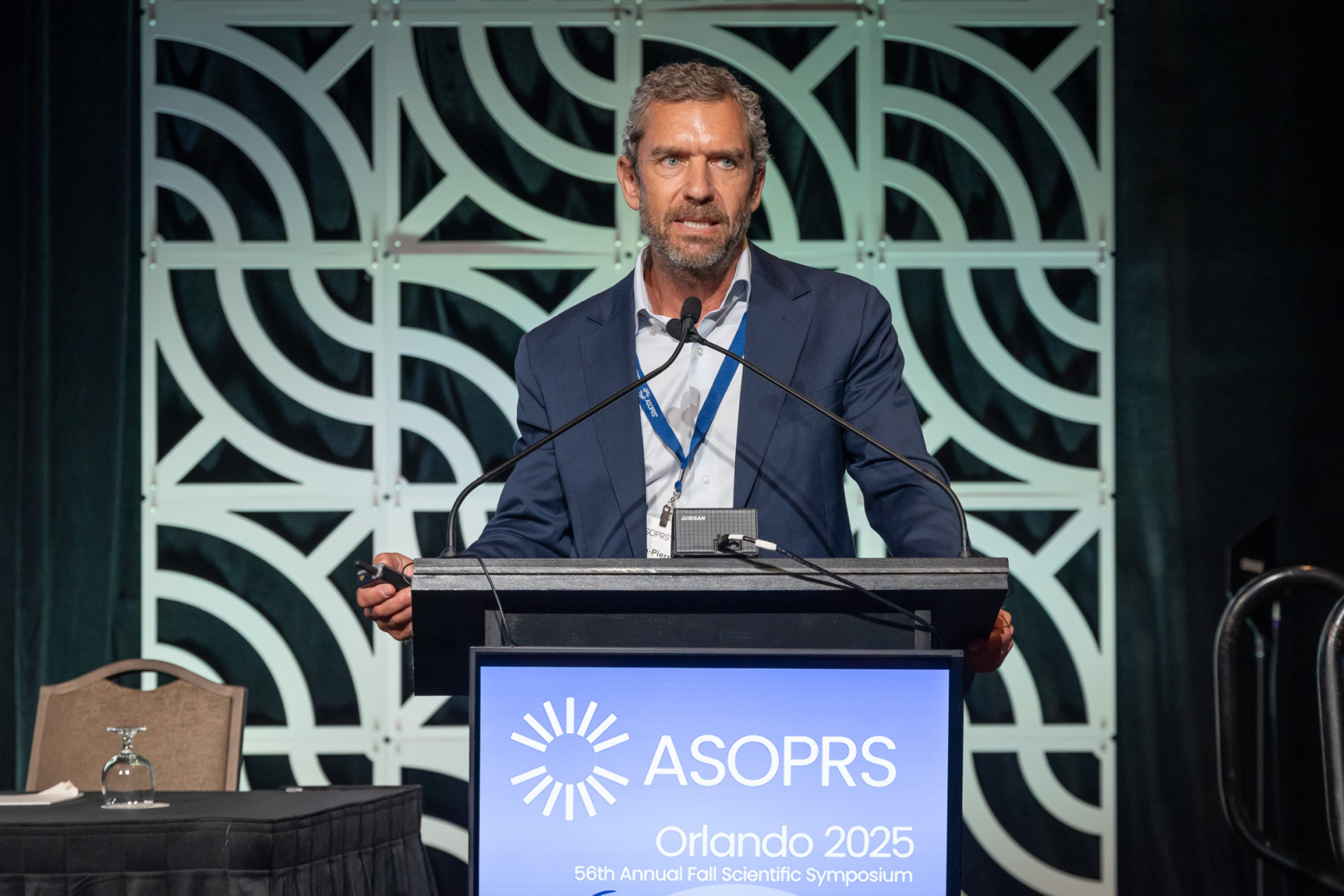
What should our readers know about your business?
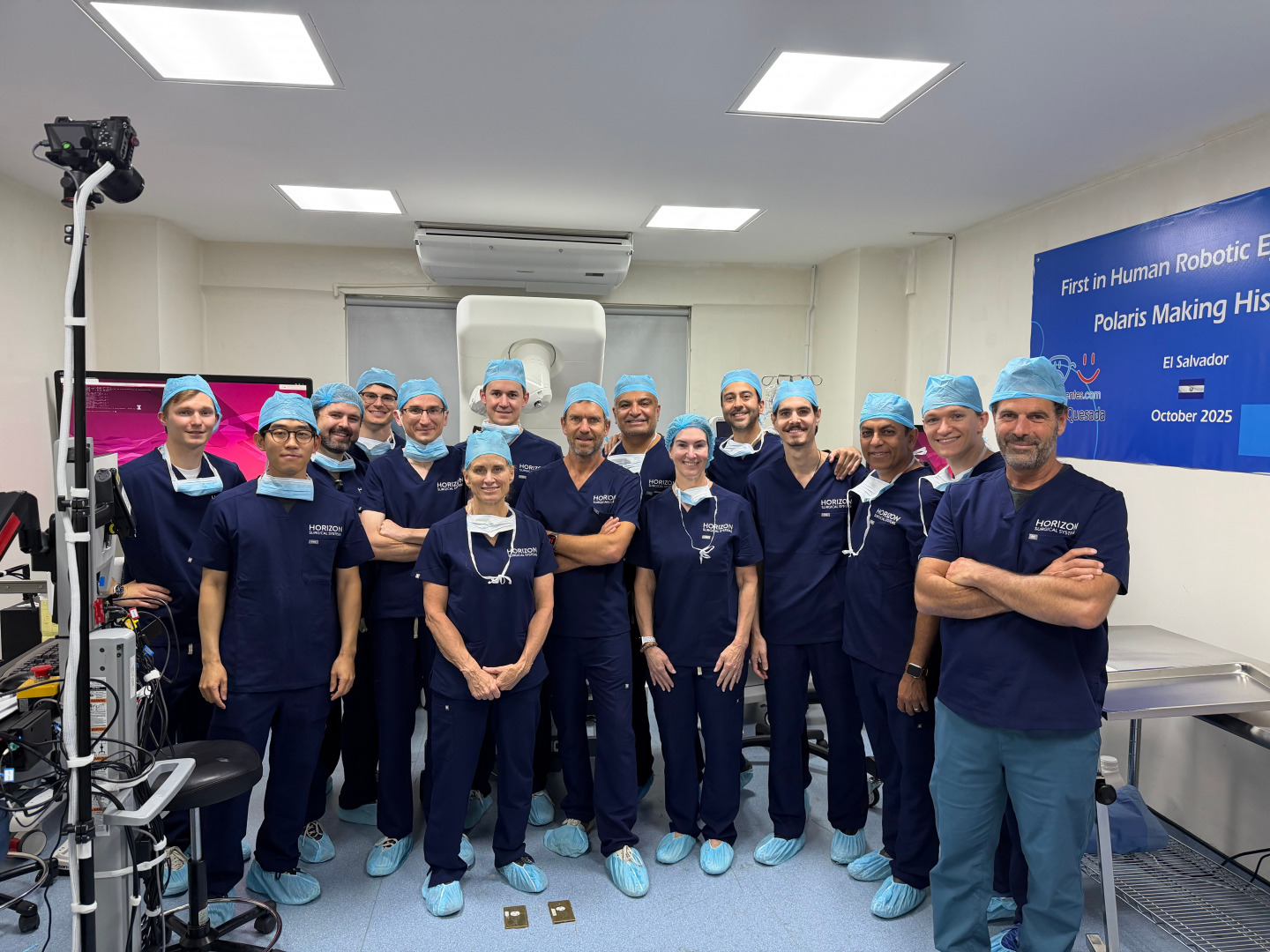
Horizon Surgical Systems is, above all, a team journey. The technology we are developing, a robotic platform designed to perform eye surgery, is extraordinarily complex. It requires expertise across robotics, software, imaging, artificial intelligence, optics, and clinical medicine. No single person could build something like this alone. What I am most proud of is the team we have assembled. These are incredibly talented individuals who have come together around a shared mission. Building this team, creating a strong culture, and sharing this journey together has been one of the most rewarding and exciting experiences of my life.
The vision itself came from my experience as a retina surgeon. Over the years, I saw firsthand the significant variability that exists between surgeons, even among highly trained experts. Surgical outcomes often depend on human factors: vision, judgment, and manual precision. I became convinced that a robotic platform that could assist surgeons in these critical aspects could elevate performance and deliver more consistent, predictable, and safer outcomes for every patient. That realization became the foundation for Horizon.
The journey has not been easy. Bringing a breakthrough technology from concept to reality is filled with challenges, technical, financial, and personal. There were many moments of uncertainty and risk, especially leaving a secure academic career to start a company. What allowed us to overcome those challenges was the people around us, our team, our advisors, our mentors, and our supporters. Their belief, resilience, and collective determination made it possible to keep moving forward.
Along the way, I’ve learned one of the most important lessons of my life: nothing is impossible. I moved from France to the United States to pursue my career. I became an entrepreneur in my fifties, at a stage when many people are thinking about slowing down, not starting over. But if you trust yourself, follow your instincts, and surround yourself with the right people, extraordinary things can happen.
What I want people to know about Horizon and about my story is that innovation is ultimately about people and purpose. Technology is just a tool. Our mission is to help surgeons perform at their very best and, ultimately, to improve the lives of millions of patients. That is what drives us every day.
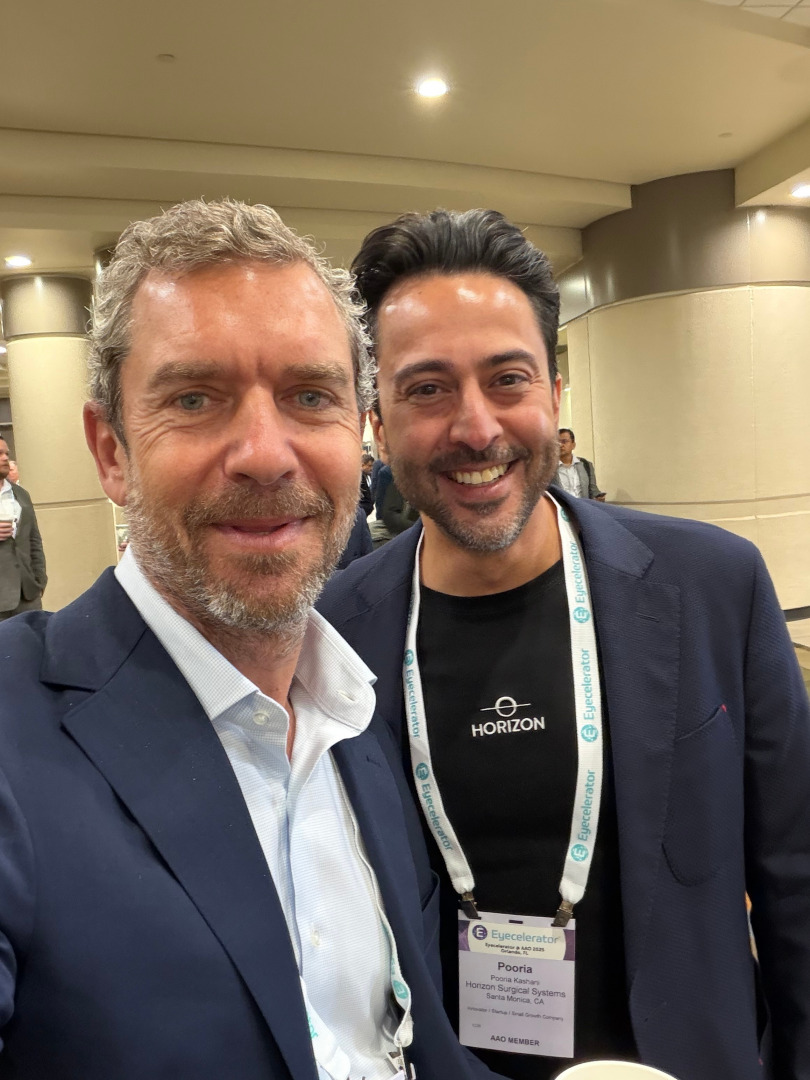
Any places to eat or things to do that you can share with our readers? If they have a friend visiting town, what are some spots they could take them to?
I’d definitely start in Malibu. It’s a special place for me because that’s where we had our first Horizon office, and it really captures the best of California, ocean, mountains, and that creative energy.
For a casual breakfast or lunch, I love Zinqué. It’s a French café with a laid-back vibe, great coffee, and it feels like a little piece of Europe in Malibu. For dinner, Lucky’s is always a great move, amazing cocktails, great steaks, and a classic Malibu crowd.
One of my favorite LA experiences is lunch at Back on the Beach in Santa Monica. You’re literally sitting in the sand. Then I’d grab bikes and ride down the coast toward Venice. That bike ride along the ocean is pure California.
For sushi, Sugarfish is a must. It’s simple, no-nonsense, and always perfect. I also love Elephante in Santa Monica for lunch, the food is great, but the real highlight is the terrace overlooking the ocean.
Abbot Kinney is another stop I never skip. I’d go to Gjelina for dinner, then just walk around, check out the shops, grab a coffee, and enjoy the Venice vibe. It’s one of the most creative neighborhoods in LA.
In Beverly Hills, South Beverly Grill is one of my go-to spots. Great lighting, great service, and the best Margaritas in town.
I’d also make sure we catch a sunset somewhere in Malibu, maybe Nobu Malibu for a drink at the bar. Even after all these years, that sunset over the Pacific always strikes me.
And if my friends are up for it, I’d take them for an early morning hike in the Santa Monica Mountains. The views over the ocean are incredible, and it’s a great reminder of how unique LA is.
Who else deserves some credit and recognition?
It’s difficult for me to point to just one person, because my journey has been shaped by several extraordinary mentors at different stages of my life.
Early in my career in France, two retina surgeons, Dr. François Devin and Dr. Didier Ducournau, played a foundational role. They trained me, challenged me, and inspired me to pursue excellence. They didn’t just teach me surgical techniques, they taught me how to think, how to innovate, and how to constantly push the boundaries of what is possible. They helped shape me into the surgeon and innovator I would later become.
A defining turning point in my life came when Dr. Steven Schwartz recruited me to UCLA nearly 20 years ago. He was the head of the Retina Division at the Stein Eye Institute, and he gave me the opportunity to move to the United States. That decision changed the entire trajectory of my career and my life. At UCLA, he continued to support me, not only as a surgeon and academic, but also in my growing interest in robotics and entrepreneurship. He believed in the vision early on, supported our research for many years, and ultimately supported the creation and spinout of Horizon Surgical Systems.
When people look at entrepreneurial stories, they often focus on the individual, but in reality, none of this happens alone. It happens because mentors open doors, believe in you, and support you long before anyone else sees what is possible. I am deeply grateful to all of them.
Website: https://horizonsurgicalsystems.com/
Linkedin: https://www.linkedin.com/in/jean-pierre-hubschman-a3417b30/